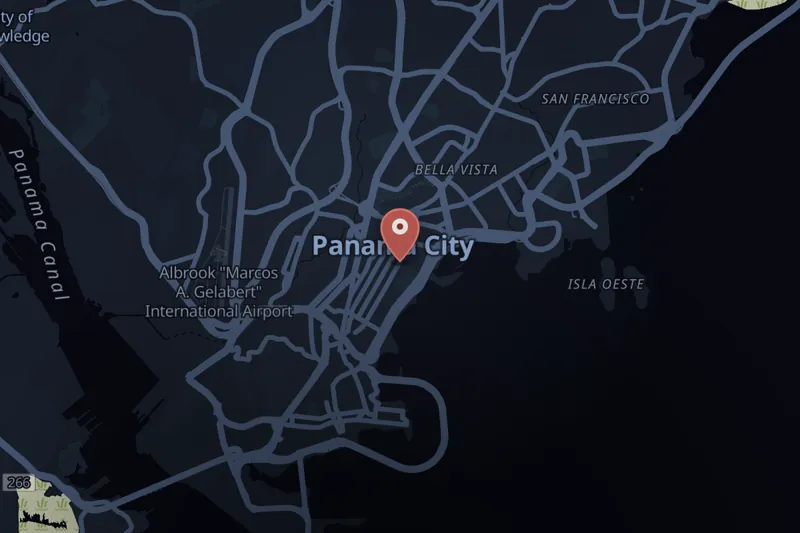
On 3 October 1989, a group of Panamanian Defense Forces officers led by Major Moisés Giroldi attempted a coup d'état against dictator Manuel Noriega in Panama City. The plotters, which included officers who had recently returned from a United Nations peacekeeping mission in Namibia, briefly succeeded in capturing Noriega. However, the coup was suppressed within hours after Noriega loyalists used Tocumen airport to bypass roadblocks set up by U.S. troops in the Panama Canal Zone and moved in troops by air to mount a counter-attack, forcing the rebels to surrender.
The coup occurred against a backdrop of deteriorating U.S.–Panama relations during the 1980s, driven by concerns over the safety of American nationals, the Panama Canal, and Noriega's alleged role in drug trafficking. The Reagan administration had indicted Noriega on drug trafficking charges and imposed economic sanctions, without securing his resignation. An earlier coup attempt in March 1988 had failed, with Giroldi among those who helped suppress it, and a September 1988 plot allegedly backed by the United States was reportedly foiled with the arrest of 16 conspirators.
Two days before the 1989 attempt, Giroldi's wife, Adela Bonilla de Giroldi, warned United States Southern Command that a coup was imminent, leading to a meeting between Giroldi and CIA agents. U.S. officials said Giroldi requested only limited assistance — protection for his family and U.S. roadblocks at two strategic Canal Zone locations. U.S. Defense Secretary Dick Cheney later said the Bush administration distrusted Giroldi and doubted his ability to succeed, and so declined to make specific commitments.
Following the coup's collapse, participants were taken to an aircraft hangar at Albrook, where they were interrogated and tortured by Noriega loyalists. Eight were executed in the hangars at Albrook, Giroldi and a sergeant were executed at military barracks in San Miguelito, and an eleventh participant died in prison after torture. Seventy-four officers connected to the coup were sent to Coiba prison, and relatives of the executed alleged they faced house raids and eviction notices.
The coup's failure prompted debate in the U.S. Senate over the Bush administration's handling of the episode, with Democratic senator Sam Nunn accusing officials of withholding information and Republican senator Jesse Helms alleging that a rebel offer to hand over Noriega had been refused — a claim Cheney denied. The failed coup contributed to a shift in U.S. military thinking that culminated in the U.S. invasion of Panama two months later. Noriega and military captain Heráclides Sucre Medina were later sentenced to 20 years in prison for their roles in the executions, and Evidelio Quiel Peralta was tried in absentia and given the same sentence. In 2015, Panama's government announced a memorial to the eleven victims.

 Credit: Jose Rafael Luna Lop…CC BY-SA 3.0SourceSOLVEDListen