Casepin
Back to cases

Case file

Indonesian mass killings of 1965–66

SOLVED1965Indonesia (nationwide, beginning in Jakarta)3 SOURCESUPDATED JUL 2026

Documents violence · sexual violence · torture · crimes against children — written to inform, not to shock.

Illustrative

## Overview From October 1965 to March 1966, a wave of mass killings and civil unrest swept across Indonesia, primarily targeting members and suspected sympathizers of the Communist Party of Indonesia (PKI). Other affected groups included Gerwani women, trade unionists, ethnic Javanese Abangan Muslims, ethnic Chinese Indonesians, atheists, non-Muslims, and leftists generally. Most widely published estimates place the death toll between 500,000 and 1 million, with some estimates reaching 2 to 3 million. The killings have been described by scholars as a politicide and, in some analyses, a genocide.

## Trigger and Political Context The violence followed an attempted coup on the night of 30 September 1965, when a group calling itself the 30 September Movement captured and executed six senior Indonesian military generals, claiming to act as protectors of President Sukarno against an alleged "Council of Generals" plot. Major General Suharto, then in control of the army's strategic reserve (Kostrad), moved quickly to suppress the movement and consolidate military control. Within days, a military-led propaganda campaign attributed the coup attempt to the PKI, despite the party's denial of involvement, and despite later scholarly analysis (including the 1966 "Cornell Paper" by Benedict Anderson and Ruth McVey) noting a three-week gap between the movement's collapse and the Army's mass arrests.

## The Killings Beginning in Jakarta, the killings spread to Central and East Java, and later Bali, with smaller outbreaks in Sumatra, Kalimantan, and other islands. The Indonesian Army organized, trained, and supplied civilian militias and vigilante groups in many regions; in other areas, communal violence preceded but was generally sanctioned by military units. Victims were often identified via lists supplied to death squads, including by the U.S. Embassy in Jakarta, which reportedly supplied lists of up to 5,000 suspected communists. Methods included shooting, stabbing, and other largely non-mechanized violence; bodies were frequently disposed of in rivers. The worst-affected regions were Aceh, Central and East Java, and Bali, where PKI support was strongest. An estimated 80,000 people were killed in Bali between December 1965 and early 1966. PKI leadership, including chairman D. N. Aidit and senior leaders Njoto and M. H. Lukman, were hunted down and killed by November 1965.

## Foreign Involvement Research and declassified documents indicate that Indonesian authorities received support from the United States, United Kingdom, and Australia, whose intelligence agencies conducted black propaganda campaigns against Indonesian communists during the Cold War. Declassified U.S. documents released in 2017 revealed that the U.S. government had detailed knowledge of the killings from their outset and was supportive of the Indonesian Army's actions. A 1968 CIA report characterized the massacres as ranking among "one of the worst mass murders of the 20th century."

## Aftermath Arrests and imprisonment of PKI members and suspects continued for roughly a decade after the killings subsided, with an estimated 1 million or more people detained according to a 1977 Amnesty International report. The events led to the political marginalization and eventual removal of President Sukarno, transferring power to Suharto, who was formally elected president in March 1968 and led an authoritarian government for over three decades.

Key facts

Victims
D. N. Aidit, Sanro Makgangke, Njoto, M. H. Lukman
Date
1965
Location
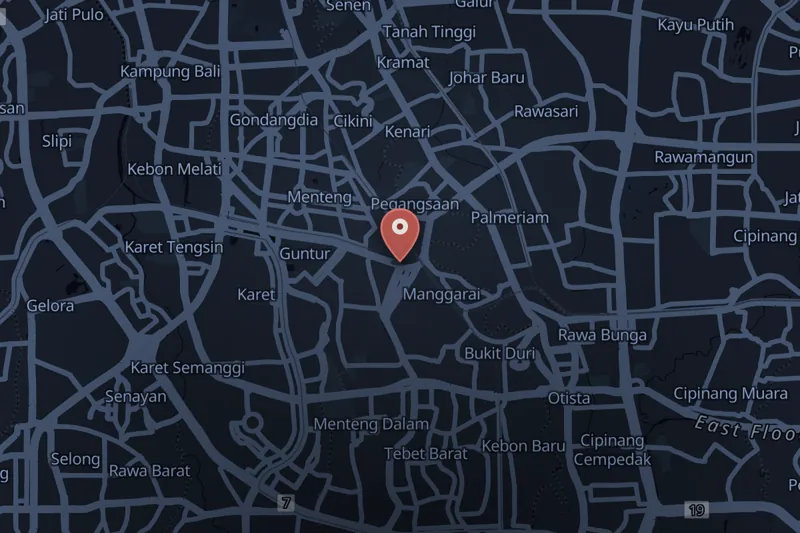
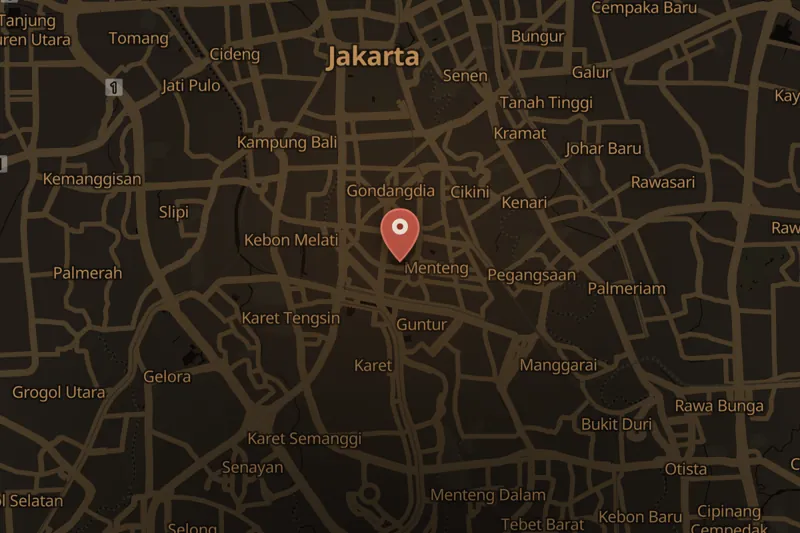
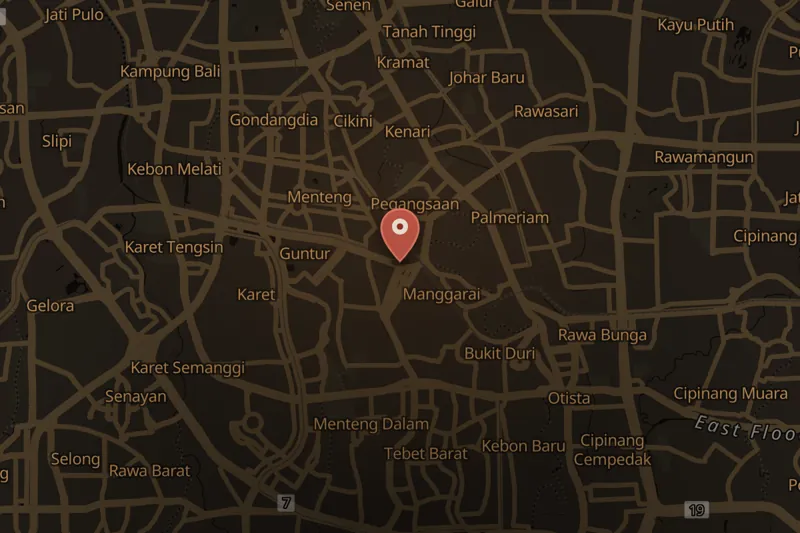
Indonesia (nationwide, beginning in Jakarta)
Case status
solved

Case timeline

  1. 1965-09-30

    The 30 September Movement captures and executes six senior Indonesian military generals in Jakarta.

  2. 1965-10-05

    Military propaganda campaign begins linking the coup attempt to the PKI, coinciding with the generals' state funeral.

  3. 1965-10-08

    PKI headquarters in Jakarta is burned down amid Army-organized demonstrations.

  4. 1965-11

    Senior PKI leader Njoto is shot around 6 November; PKI chairman D. N. Aidit is shot on 22 November; First Deputy Chairman M. H. Lukman is killed shortly afterward.

  5. 1965-12

    Army Para-commando Regiment and Brawijaya Military Region units arrive in Bali, shifting the balance of power to anti-communist forces; mass killings intensify on the island.

  6. 1966-03

    Killings mostly subside nationwide; occasional flare-ups continue until 1969 in parts of East Java.

  7. 1966-03-11

    The Supersemar decree transfers much of Sukarno's power over parliament and the Army to Suharto.

  8. 1967-03-12

    Sukarno is stripped of his remaining power by Indonesia's provisional parliament; Suharto is named acting president.

  9. 1968-03-21

    Suharto is formally elected president by the provisional parliament.

  10. 2017-10

    Declassified U.S. documents reveal the U.S. government's detailed knowledge of and support for the mass killings, reported contemporaneously by The Guardian and later by The Independent.

Best coverage

No approved coverage links are attached yet.

People

  • D. N. Aidit

    VICTIM

    Chairman of the Communist Party of Indonesia (PKI), shot on 22 November 1965 after being hunted down following the coup attempt.

    citation on file

  • Sanro Makgangke

    VICTIM

    Bissu (Bugis third-gender) leader in Bone, decapitated by Ansor members and publicly displayed as a warning.

    citation on file

  • Suharto

    LAW ENFORCEMENT

    Major General who led the Indonesian Army's suppression of the 30 September Movement, oversaw the military-organized anti-communist purge, and later became Indonesia's president.

    citation on file

  • Njoto

    VICTIM

    Senior PKI leader shot around 6 November 1965 during the political purge.

    citation on file

  • M. H. Lukman

    VICTIM

    First Deputy PKI Chairman, killed shortly after Aidit in late 1965.

    citation on file

Places

Common questions

What happened to the victim?
Between October 1965 and March 1966, the Indonesian Army under Major General Suharto instigated large-scale killings targeting members and alleged sympathizers of the Communist Party of Indonesia (PKI), along with other marginalized groups, following an abortive coup by the 30 September Movement; widely published estimates put the death toll at 500,000 to 1 million, with declassified records showing the U.S. and U.K. governments had knowledge of and supported the campaign.
Where did the killings happen?
Indonesia (nationwide, beginning in Jakarta).
What is the current status of the case?
Status: solved. Last verified July 2026.

Sources

  1. Indonesian mass killings of 1965–66wikipedia · Wikipedia · 2026-07-07
  2. Contemporaneous coverage — The Guardiannews · The Guardian · 2026-07-07
  3. Contemporaneous coverage — The Independentnews · The Independent · 2026-07-07

Last verified JUL 2026