
Start here
He Was a Respected Doctor… Until They Found the Bodies 😱
Bailey Sarian's 41-minute breakdown, the fullest single telling on file.
Watch on YouTubeSolved case · 1970s
Also known as The Shipman Case · Harold Shipman Murders
 Garden of Tranquility - geograph.org.uk - 1005040Credit: Gerald EnglandCC BY-SA 2.0Source
The short answer
Harold Shipman, a GP in Hyde, Greater Manchester, was convicted in January 2000 of murdering 15 patients, including former mayoress Kathleen Grundy, using lethal doses of diamorphine. A subsequent public inquiry concluded he had killed at least 218 patients over roughly 27 years, making him one of the most prolific serial killers in modern history.
He Was a Respected Doctor… Until They Found the Bodies 😱Bailey Sarian · 41 min2 pieces from 1 creator: ranked, with duplicates removed and short clips set aside.
Start here
Bailey Sarian's 41-minute breakdown, the fullest single telling on file.
Watch on YouTubeDr. Death had a specific pattern...
 Bailey SarianVideo · YouTube · 1 min · 2025
Titles and descriptions are the creators’ own and may not reflect current legal status. The sourced facts are in the file below. Players load only when you press play. Suggest coverage we’re missing.
Harold Frederick Shipman (1946–2004) was an English general practitioner who became one of the most prolific convicted serial killers in modern British history. He qualified in medicine from the University of Leeds in 1970 and worked as a GP first in Todmorden (1974–1975) and later in Hyde, Greater Manchester, from 1977, eventually establishing his own surgery there in 1993.
Concerns about Shipman first surfaced in March 1998, when fellow GP Linda Reynolds alerted the coroner for South Manchester to an unusually high death rate among his patients, particularly the large number of cremation forms for elderly women he asked to have countersigned. Greater Manchester Police investigated but closed the case in April 1998 without bringing charges; the Shipman Inquiry later found the force had assigned inexperienced officers. Shipman went on to kill three more people after the investigation closed. Separately, in August 1998, a taxi driver reported to police that he suspected Shipman of murdering a number of patients he had transported.
The case that led to Shipman's downfall was the death of Kathleen Grundy, a former mayoress of Hyde, found dead at her home on 24 June 1998. Shipman, the last person to see her alive, signed her death certificate citing old age. Suspicion arose when Grundy's daughter, solicitor Angela Woodruff, was told of a will purportedly made by her mother that excluded Woodruff and her children but left a substantial sum to Shipman. Police exhumed Grundy's body and found traces of diamorphine. Shipman claimed she had been an addict, producing computer journal entries to support this, but examination showed the entries had been fabricated after her death. He was arrested on 7 September 1998, and police found a typewriter matching the one used to forge the will.
Investigators then examined other deaths Shipman had certified, identifying a pattern of lethal diamorphine doses, falsified medical records, and deaths clustered around the time of his afternoon home visits. Fifteen specimen murder cases were brought to trial at Preston Crown Court beginning 5 October 1999. On 31 January 2000, following six days of jury deliberation, Shipman was convicted of 15 counts of murder and one count of forgery. He received a whole life sentence, confirmed by the Home Secretary in 2002, and was struck off the medical register shortly after conviction. Shipman consistently denied guilt and never publicly explained his actions.
On 13 January 2004, the day before his 58th birthday, Shipman hanged himself in his cell at HM Prison Wakefield. A 2005 inquiry found the suicide could not have been predicted or prevented. The Shipman Inquiry, chaired by Dame Janet Smith and submitted in 2002, concluded he had killed at least 218 patients between 1975 and 1998; her final 2005 report estimated a total of 250 victims across his career, including suspected killings during his early career at Pontefract General Infirmary. The case prompted significant changes to death certification and cremation procedures in the UK, known as the "Shipman effect."
Harold Shipman, a general practitioner in Hyde, Greater Manchester, was convicted in January 2000 of murdering 15 patients with lethal doses of diamorphine, among them Kathleen Grundy, a former mayoress of the town. Concerns raised by a fellow GP in 1998 had been investigated by police and closed without charges months before his arrest. Suspicion returned when Grundy's daughter, a solicitor, learned of a will that appeared to leave a large sum to Shipman, and an exhumation found diamorphine in Grundy's body. A later public inquiry concluded Shipman had killed at least 218 patients between 1975 and 1998, and a final report estimated about 250 across his career. He was sentenced to life imprisonment with a whole life order and died by suicide in prison in January 2004.
The case broke on documentary and forensic evidence rather than eyewitness testimony. Kathleen Grundy's will, which excluded her own family and favored Shipman, was found to have been forged on a typewriter later recovered from him. Her exhumation revealed diamorphine, and when Shipman produced computer records suggesting she had used drugs, examination showed those records had been fabricated after her death. Investigators then audited other deaths Shipman had certified and found a recurring pattern of fatal diamorphine doses, altered records, and deaths clustered around his afternoon home visits.
The true number of Shipman's victims cannot be fixed with certainty. The 15 murders proven at trial were treated as sample cases, while the public inquiry concluded he had killed at least 218 and its final report estimated about 250, including suspected deaths early in his career for which the evidence is weaker. Shipman denied guilt throughout and never explained his actions, and his motive has never been established.
Because Shipman was a trusted doctor who certified his own patients' deaths, the case exposed weaknesses in how such deaths were checked, and it led to lasting changes to death-certification and cremation procedures in the United Kingdom, sometimes called the "Shipman effect." For the families of his patients, many of them older people who died in their own homes, those reforms followed a deep breach of ordinary medical trust.
Harold Shipman graduates in medicine from the University of Leeds.
Shipman takes his first GP position at the Abraham Ormerod Medical Centre in Todmorden.
Shipman begins working as a GP at Donneybrook Medical Centre in Hyde, Greater Manchester.
Shipman establishes his own surgery at 21 Market Street, Hyde.
GP Linda Reynolds raises concerns with the coroner about the high death rate among Shipman's patients.
Greater Manchester Police close their initial investigation into Shipman without sufficient evidence for charges.
Kathleen Grundy is found dead at her home; Shipman signs her death certificate citing old age.
Taxi driver John Shaw reports to police his suspicion that Shipman had murdered a number of patients.
Shipman is arrested after police investigate the forged Grundy will and exhumation findings.
Shipman's trial begins at Preston Crown Court.
Shipman is convicted of 15 counts of murder and one count of forgery and sentenced to life imprisonment with a whole life order.
Shipman is struck off the medical register by the General Medical Council.
The Shipman Inquiry report is submitted, concluding Shipman killed at least 218 patients between 1975 and 1998.
Shipman hangs himself in his cell at HM Prison Wakefield, the day before his 58th birthday.
Dame Janet Smith's sixth and final Shipman Inquiry report estimates a total of about 250 victims over Shipman's career.
A memorial garden to Shipman's victims, the Garden of Tranquillity, opens in Hyde Park, Hyde.
Victims first. Every legal label is set from public records and court outcomes, not from the prose.
Former mayoress of Hyde and Shipman's last known victim; found dead at her home on 24 June 1998, with a forged will implicating Shipman.[3]
Convicted on 31 January 2000 of 15 counts of murder and one count of forgery; sentenced to life imprisonment with a whole life order.[3]
From the record
Coverage is not a source: every fact in this file rests on the records below.
Jul 11, 2026Source review
Editorial-depth addendum added (the record in sixty seconds; what the investigation turned on; what remains disputed; why this file matters) — a synthesis of the dossier's existing cited record, no new factual claims.
Are you family of someone named in this file? Corrections and removal requests from victims’ families are prioritized.
 Credit: Gerald EnglandCC BY-SA 2.0SourceSOLVEDListen
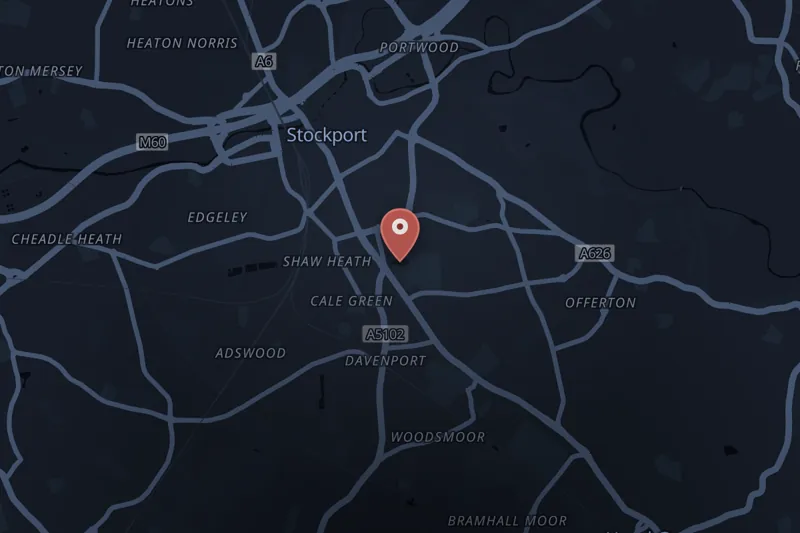
Abbey Gardens, Hattersley, Tameside, Greater Manchester, England · 2010s
On 18 September 2012, Greater Manchester Police officers Nicola Hughes and Fiona Bone were killed by Dale Cregan in a gun and grenade ambush after being lured to a house in Hattersley, Tameside, by a hoax burglary call. Cregan later pleaded guilty and was given a whole life sentence.
 SOLVEDListen
Stepping Hill Hospital, Stockport, Greater Manchester, England · 2010s
In 2011, patients at Stepping Hill Hospital in Stockport, England, died after saline drips and ampoules were found contaminated with insulin, prompting a murder inquiry. A nurse, Rebecca Leighton, was initially arrested and charged but the charges were later dropped. In 2015, nurse Victorino Chua was convicted of two murders and other poisoning-related offences and sentenced to life imprisonment.
 SOLVEDListen
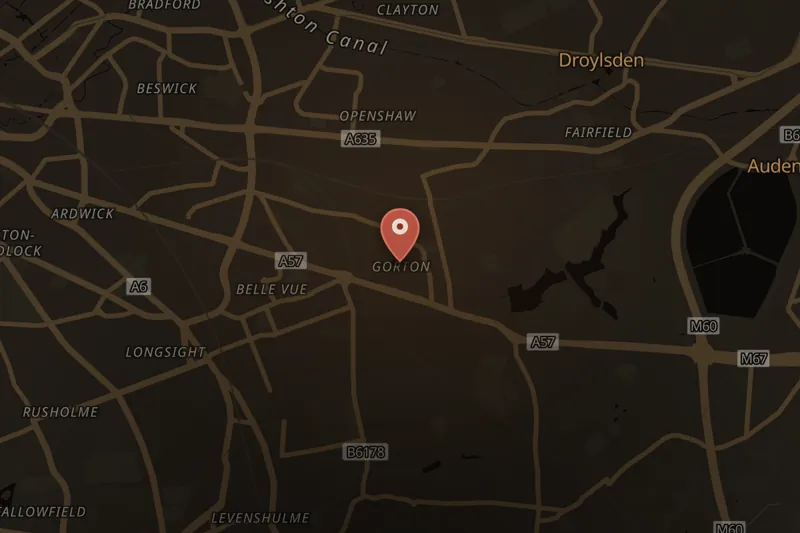
Gorton, Manchester, England · 1990s
Kelly Anne Bates, a 17-year-old from Manchester, England, was tortured for weeks and drowned by James Patterson Smith, who was convicted of her murder in 1997.
 Credit: Santa Barbara County Sheriff’s OfficePublic domainSourceSOLVEDListen
Sacramento, California (crimes spanned multiple California counties) · 1970s
Across California between 1974 and 1986, at least 13 people were murdered in a crime series that also included more than 50 rapes, burglaries, kidnappings, and assaults. Forensic genetic genealogy identified former police officer Joseph James DeAngelo in 2018; he pleaded guilty in 2020 to murder and kidnapping charges.
 Credit: United States Air ForcePublic domainSourceSOLVEDListen
Wichita and Park City, Kansas · 1974
Dennis Rader, a Wichita-area man who worked as an ADT security installer and later a Park City compliance officer, murdered at least ten people in Wichita and Park City, Kansas, between 1974 and 1991, taunting police and media with letters as "BTK." He was identified through DNA and computer metadata and arrested in February 2005, later pleading guilty to ten counts of first-degree murder.
 Credit: Unknown authorPublic domainSourceSOLVEDListen
Hollywood, Florida (abduction site: Sears, Hollywood Mall) · 1981
Adam Walsh, a six-year-old boy, was abducted from a Hollywood, Florida department store in July 1981 and found killed weeks later; police named drifter Ottis Toole as the perpetrator and closed the case in 2008, though he died in prison in 1996 without ever being tried or convicted for it.
 Credit: English WikipediaEditorial useSourceSOLVEDListen
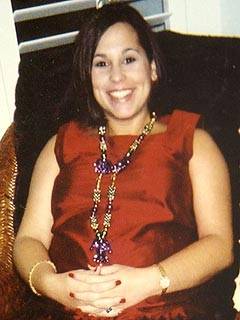
Modesto, California · 2002
Laci Peterson, 27 and eight months pregnant, disappeared from her Modesto, California home on December 24, 2002; her body and that of her unborn son Conner were found in San Francisco Bay in April 2003, and her husband Scott Peterson was convicted in 2004 of murdering both.
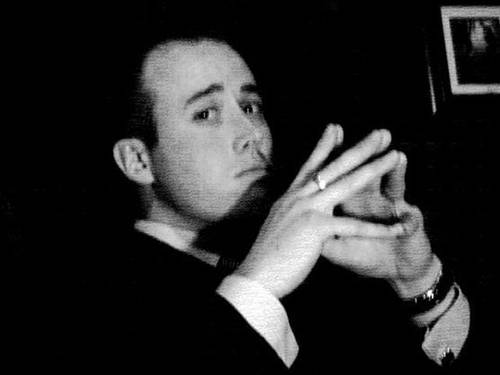 Credit: CBS News / Travis Alexander (personal photo)Editorial useSourceSOLVEDListen
Mesa, Arizona, United States · 2000s
Travis Alexander, 30, was stabbed, slashed, and shot to death in his Mesa, Arizona home on June 4, 2008. His ex-girlfriend, Jodi Arias, was convicted of first-degree murder in 2013 and sentenced to life without parole in 2015 after two juries deadlocked on the death penalty.
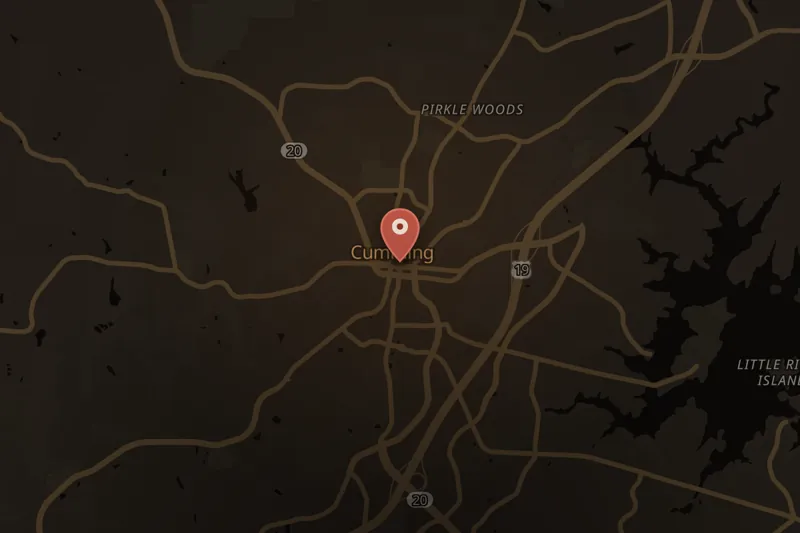 COLDListen
Cumming, Georgia · 2018
Tamla Horsford, a 40-year-old mother of five, died from a fall at a home in Cumming, Georgia, during a gathering on November 3-4, 2018; two separate investigations ruled her death accidental, though her family has disputed that finding and pushed for further inquiry.
 Credit: Los Angeles Police DepartmentPublic domainSourceUNSOLVEDListen
Leimert Park, Los Angeles, California, USA · 1940s
Elizabeth Short, known posthumously as the Black Dahlia, was found murdered in Los Angeles in January 1947 in a case that remains unsolved.
 Credit: Ted Van ZylEditorial useSourceSOLVEDListen
Albuquerque, New Mexico, United States · 1993
Girly Chew Hossencofft, a Malaysian-born bank teller living in Albuquerque, New Mexico, disappeared on September 9, 1999, shortly after filing for divorce from her husband Diazien Hossencofft. He and his girlfriend Linda Henning were later convicted of her murder. Her body has never been found.
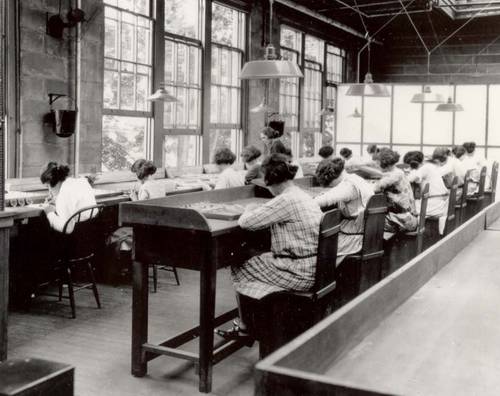 Credit: Argonne National Laboratory / Wikimedia Commons, c.1922–23Public domainSourceSOLVEDListen
Orange, New Jersey · 1917
Beginning in 1917, factory workers who came to be known as the Radium Girls were poisoned after being instructed to shape radium-paint brushes with their lips; the resulting illnesses, deaths, and lawsuits against the United States Radium Corporation and the Radium Dial Company reshaped U.S. occupational health and labor law.