Background
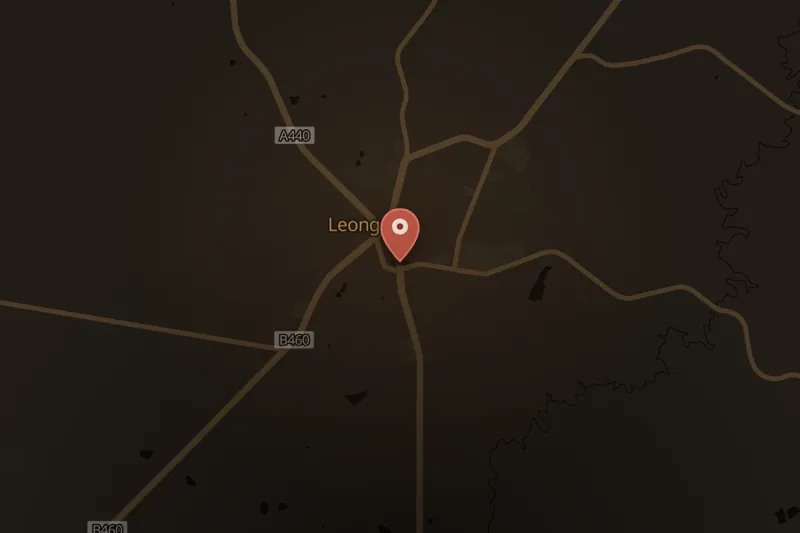
The Rufus River connects Lake Victoria, New South Wales, with the Murray River, near the present-day borders of Victoria and South Australia. The local Maraura people likely first encountered British colonists when explorer Charles Sturt travelled down the river in 1830. Sustained contact began in 1838, when overlanders Joseph Hawdon and Charles Bonney drove cattle from Sydney to Adelaide along the Murray. By April 1841, at least 36 overlanding parties, comprising roughly 480 people and tens of thousands of livestock, had passed through Maraura territory.
Serious violence between overlanders and the Maraura began in 1839, including battles involving overlander George McLeod and stockman Alexander Buchanan, the latter resulting in an estimated six Aboriginal deaths.
Escalation in 1841
In April 1841, an overlanding party led by Henry Inman and Henry Field, moving 5,000 sheep for pastoralist James Chisholm, clashed repeatedly with the Maraura, culminating in a defeat near the Rufus River on 16 April 1841, when 300–400 Maraura warriors routed the group and took the sheep. A subsequent vigilante party led by Field was also defeated in May 1841. A large official police expedition under Major Thomas Shuldham O'Halloran was dispatched in response but failed to engage the Maraura, and in June 1841 a separate overlanding party led by Charles Langhorne suffered further losses, with four stockmen killed.
The Massacre
In August 1841, a further police expedition — including 16 troopers, 12 volunteers, three Aboriginal guides, and Protector of Aborigines Matthew Moorhouse — was sent to the Rufus River, partly to mediate and partly to protect an overlanding party led by William Robinson and Philip Levi. On 26 August, Robinson's overlanders had already killed five Maraura men and wounded ten more in a prior skirmish.
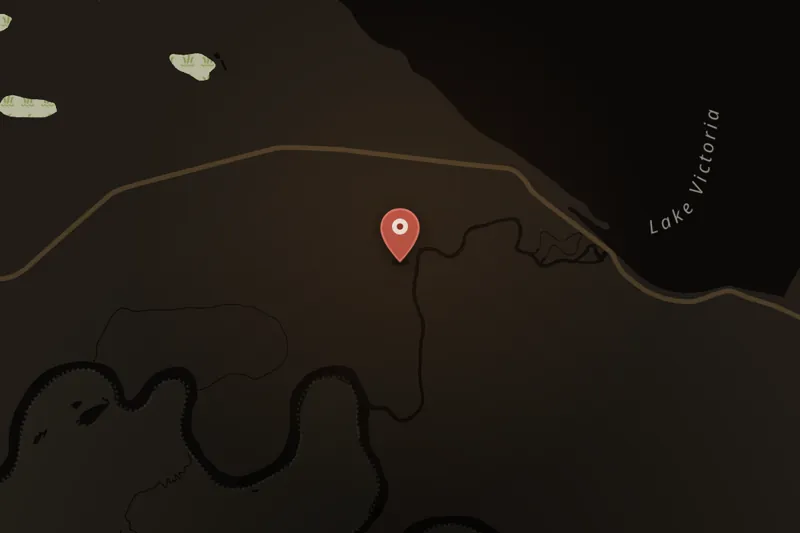
On 27 August 1841, the police patrol, having joined Robinson's group, encountered around 150 Maraura near the junction of the Rufus River and Lake Victoria. Although this group made no hostile move, Moorhouse, after negotiating through an interpreter, judged them threatening and ceded command to Sub-Inspector Bernard Shaw. Robinson's men opened fire, driving the Maraura into the river, and Shaw's police and volunteers joined in. Moorhouse's report recorded nearly 30 killed and about 10 wounded; Robinson reported 30–40 killed and a similar number wounded. Only one colonist, Robinson, was wounded.
Following the killings, Maraura women were brought to the colonists, and Shaw and Robinson permitted their men to have sexual contact with them despite Moorhouse's objection. Four Maraura were taken prisoner; one man, Pul Kanta, was shot and wounded while attempting escape and was later taken to Adelaide.
Aftermath
Public concern in the colony and in England prompted Governor George Grey to convene a magisterial inquiry, chaired by Charles Sturt. The inquiry concluded the colonists' actions were justified. Charles Sturt later documented a mass grave of about thirty victims on the banks of Lake Victoria.


 SOLVEDListen