
Unsolved case
Fighting Waterholes massacre
In April 1840, station hands working for the Whyte brothers killed up to 60 Jardwadjali Aboriginal people of the Konongwootong Gundidj clan—mostly old men, women, and children—near waterholes close to present-day Coleraine, Victoria.
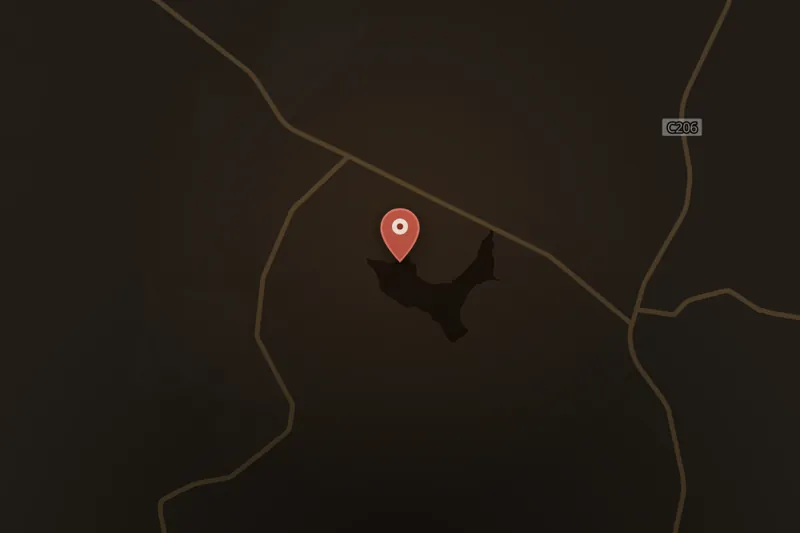
In April 1840, a mass killing of Aboriginal people occurred near what is now the Konongwootong reservoir, then known as Den Hills creek, close to present-day Coleraine in Victoria, Australia. The victims were members of the Konongwootong Gundidj clan of the Jardwadjali people, and reports of the death toll vary from "numerous" up to 40 or 60 people.
The massacre followed an earlier incident on 1 March 1840 known as the Fighting Hills massacre, in which the Whyte brothers—William, George, Pringle, and James Whyte, who operated the Konongwootong sheep run—and their servants were involved in killing Aboriginal people. Aboriginal Protector Charles Sievwright investigated that earlier incident but was unable to obtain evidence from independent witnesses, even though participants gave depositions admitting to the killing.
On 1 April 1840, after members of the Konongwootong Gundidj clan allegedly stole sheep, the Whyte brothers and station hands Henry Skilton and William Fox set out to find those responsible. Having failed to locate either the sheep or the Aboriginal people, the Whyte brothers rode to the nearest station while the remaining station hands continued toward the home station. Along the way, the station hands encountered a camp of "numerous old men, women and children" near waterholes. The station hands killed all members of the camp.
After news of the killings spread, the Whyte brothers dismissed the station hands involved. The surviving members of the Konongwootong Gundidj clan eventually relocated to Murndal station, where they joined the Wanedeet Gundidj clan. Later news accounts attributed the massacre to a retaliatory action organized by the Whyte brothers in response to the killing of a white shepherd in the Merino Downs area, though this attribution appeared in later reporting rather than at the time.
In 1946, a heavy flood uncovered skulls and bones at the site, which were discovered by T. J. Fitzgerald. The remains were later reburied.
In 2014, a commemorative site called the Konongwootong Quiet Place was established at the Konong Wootong reservoir to acknowledge the massacre. No individuals have been charged or convicted in connection with these killings, which occurred under British colonial administration of the Port Phillip District in 1840.
Key facts
- Victims
- On file
- Date
- 1840
- Location
- Near Konongwootong reservoir, close to Coleraine
- Case status
- unsolved
Case timeline
1840-03-01
The Whyte brothers (William, George, Pringle and James Whyte) and their servants were involved in the Fighting Hills massacre; Aboriginal Protector Charles Sievwright later investigated but could not secure independent witness evidence.
1840-04-01
Following an alleged sheep theft, the Whyte brothers and station hands Henry Skilton and William Fox searched for the Konongwootong Gundidj clan; station hands encountered and killed a camp of old men, women and children near waterholes, with death toll estimates ranging from "numerous" to 40 or 60.
1946
A heavy flood uncovered skulls and bones at the site, discovered by T. J. Fitzgerald; the remains were later reburied.
2014
The Konongwootong Quiet Place, a commemorative site, was created at the Konong Wootong reservoir to acknowledge the massacre.
Best coverage
No coverage has been attached to this file yet.
People
No public people records are attached yet.
Places
Common questions
- What happened to the victim?
- In April 1840, station hands working for the Whyte brothers killed up to 60 Jardwadjali Aboriginal people of the Konongwootong Gundidj clan—mostly old men, women, and children—near waterholes close to present-day Coleraine, Victoria.
- Where did the massacre happen?
- Near Konongwootong reservoir, close to Coleraine.
- What is the current status of the case?
- Status: unsolved.
Related cases
View all cases
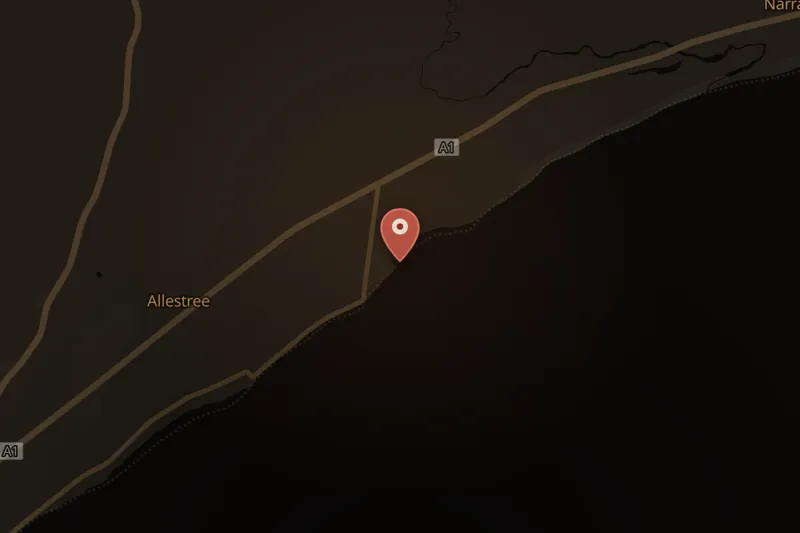
Fighting Hills massacre
The Hummocks, near Wando Vale, Victoria, Australia
Convincing Ground massacre
Convincing Ground, Portland Bay, Victoria, Australia
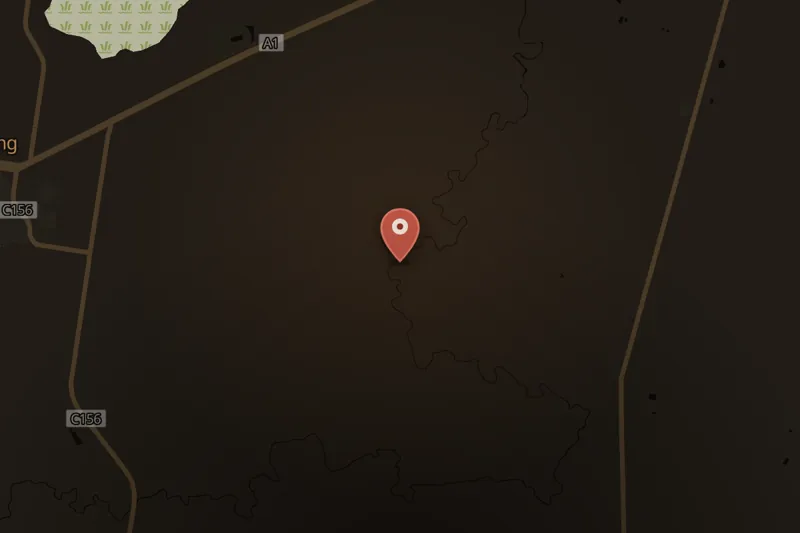
Murdering Gully massacre
Murdering Gully, Mount Emu Creek, Camperdown district, Victoria, Australia

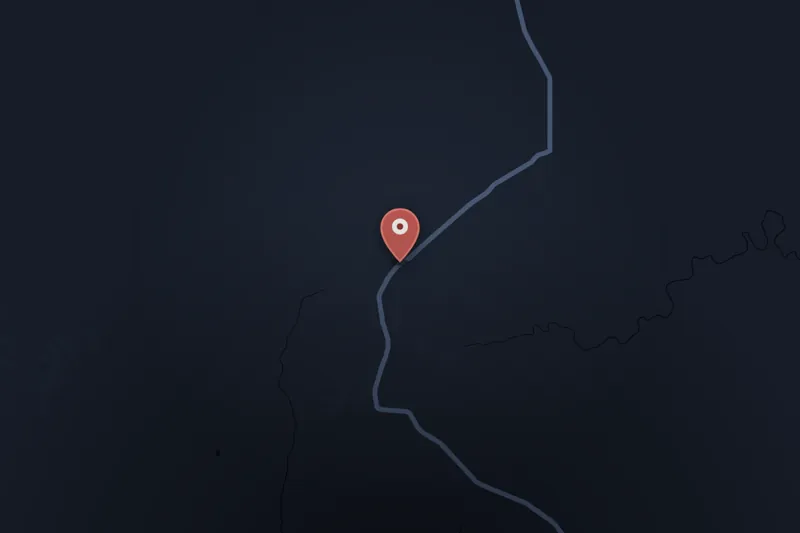
Rufus River massacre
Rufus River, near Lake Victoria, New South Wales, Australia
Porongos Massacre
Porongos, Rio Grande do Sul, Brazil
Murder of Daniel Morcombe
Kiel Mountain Road overpass, Woombye, Sunshine Coast, Queensland, Australia
Sources
- ENCYCLOPEDICFighting Waterholes massacreWikipedia · 2026-07-07
- OFFICIAL / AGENCYContemporaneous coverage — nla.gov.aunla.gov.au · 2026-07-07
- PRESSContemporaneous coverage — ABC News (Australia)ABC News (Australia) · 2026-07-07
Record history
- First published
- JUL 07, 2026
When a file you follow changes — a new development, a correction, fresh coverage — the Dispatch is how you hear about it.
The Casepin Dispatch
A calm weekly briefing from the archive — one case worth understanding, meaningful updates to files you follow, and the best new coverage. You’ll also get the one-time note when the apps land. No gore, no rumor, no drip.