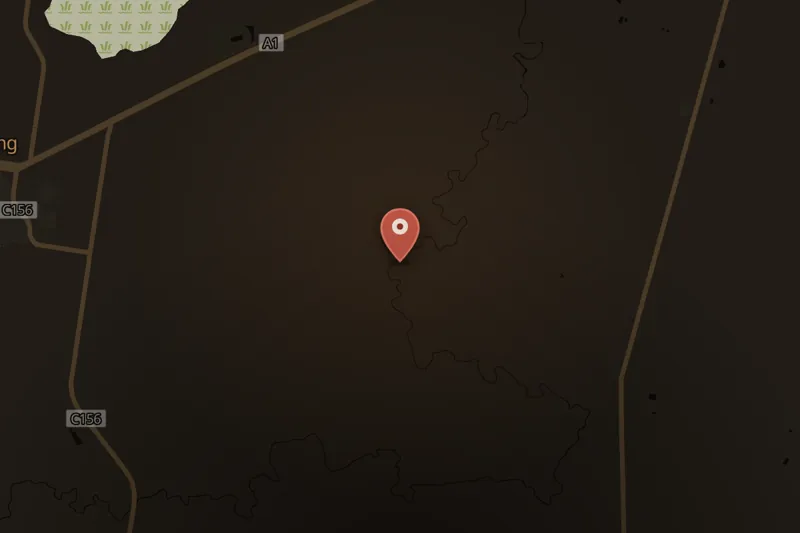
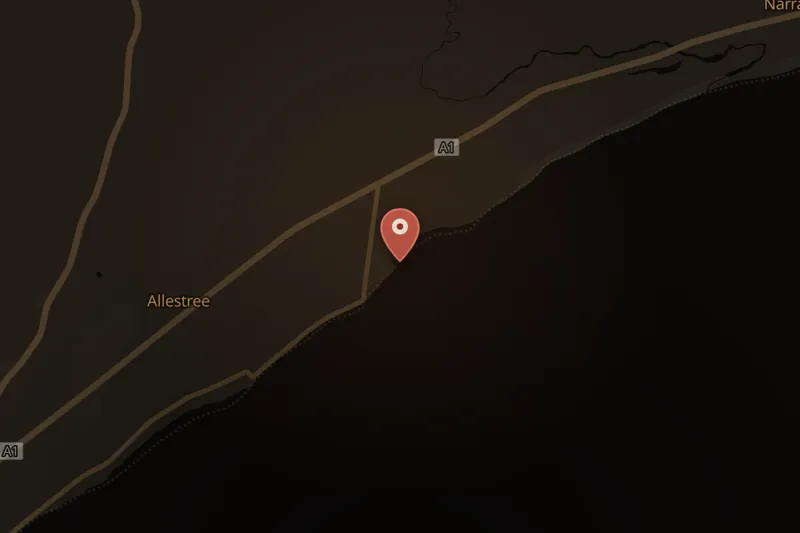
The Convincing Ground massacre refers to the killing of members of the Kilcarer gundidj clan of the Gunditjmara people by British whalers operating out of a whaling station at Portland Bay, in what is now south-eastern Australia. The event, believed to have occurred around 1833 or 1834, is considered by academics such as Professor Lynette Russell of Monash University to be "probably the first recorded massacre site for Victoria." It occurred within the broader context of the Eumeralla Wars between British colonisers and the Gunditjmara people, and followed years of rising tension since the whaling station's establishment roughly five years earlier.
According to accounts, the immediate cause was a dispute over a beached whale, which Gunditjmara people regarded as traditional food and asserted their right to. When challenged by the whalers, they responded aggressively. In a conversation recorded in 1841, Edward Henty and Police Magistrate James Blair told George Augustus Robinson, the Protector of Aborigines, that the whalers initially withdrew to the whaling station before returning with firearms and firing on the Aboriginal people present. Robinson's journal recorded that the Aboriginal people did not flee but took cover behind trees and threw spears and stones in response.
The precise death toll and date remain uncertain because the incident was not documented until years after it occurred. The earliest documented reference to the "Convincing Ground" locality appears in Edward Henty's diary entry of 18 October 1835. Robinson visited the site in 1841 and later, in March 1842, met with about 30 Gunditjmara men and women at Campbell's station on the Merri River, who told him that all but two men of the Kilcarer gundidj clan had been killed in the massacre. The two survivors, named Pollikeunnuc and Yarereryarerer, were adopted by the Cart Gundidj clan of Mount Clay, who subsequently barred members from approaching the Portland settlement. Historian Richard Broome has estimated that approximately 60 Indigenous people were killed.
The origin of the name "Convincing Ground" has been debated, with accounts including the explanation given by Henty and Blair (that the event was intended to "convince" Aboriginal people of European claims to land and resources), a claim it referred to a place whalers settled disputes among themselves, and a since-retracted account attributing the name to explorer Thomas Mitchell's 1836 visit. Historian Ian Clark has argued that Henty's 1835 diary entry predates Mitchell's visit and supports the massacre-based explanation, consistent also with Gunditjmara oral history.
Some historians, including Keith Windschuttle and Michael Connor, have disputed that a massacre occurred, characterising the narrative as "myth-making." Ian Clark has responded that this skepticism rests on an inaccurate reading of the historical record.
Between 2005 and 2007, the site became the subject of a development dispute between the Glenelg Shire Council and the local Koorie community after a developer was granted rights to build homes there. Kilcarer clan traditional owner Walter Saunders, a descendant of one of the two survivors, publicly emphasised the site's cultural significance. A confidential 2007 agreement allowed limited development while designating the Convincing Ground area as a public reservation.

 UNSOLVEDListen