Active case
Murdering Gully massacre

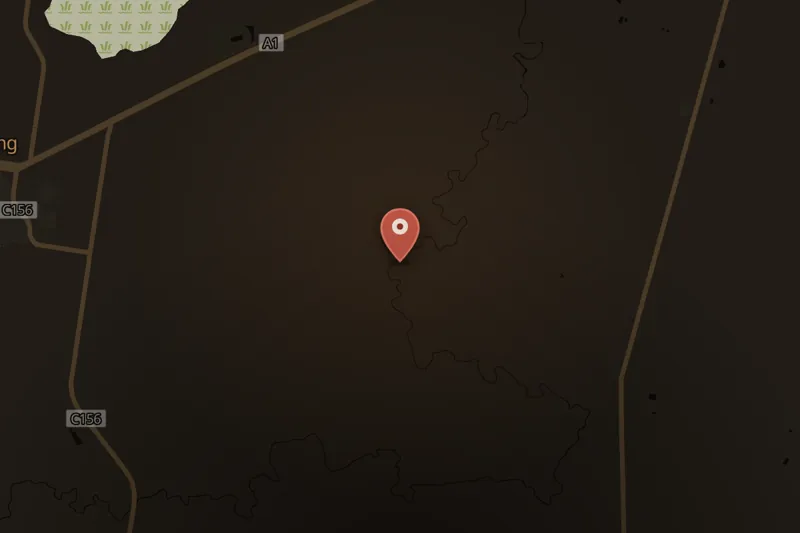
Murdering Gully, formerly known as Puuroyup to the Djargurd Wurrung people, is the site of an 1839 massacre in the Camperdown district of the Port Phillip District of the colony of New South Wales (present-day Victoria, Australia). The gully lies on Mount Emu Creek, where a small stream joins from Merida Station. An estimated 35–40 people of the Tarnbeere Gundidj clan of the Djargurd Wurrung were killed, an event which effectively destroyed the clan. The massacre is unusually well documented, with oral history, settler diaries, Wesleyan missionary records, and Aboriginal Protectorate records all corroborating the events.
The killings were carried out by Frederick Taylor, manager of Glenormiston station, together with associates named James Hamilton and Bloomfield, and several shepherds in Taylor's employ. According to a deposition taken by Edward Williamson, an overseer at the Wesleyan Buntingdale Mission, based on an account from a survivor named Wore-gu-i-moni, the group advanced in an extended line and opened fire on the sleeping camp, killing all they could see — reported as thirty-five people, including men, women and children. Bodies were reportedly thrown into a waterhole and later burned. Charles Sievwright, Assistant Protector of Aborigines, separately collected a statement from a survivor, Wan-geg-a-mon, whose wife and child were killed in the attack, describing a similar account of the assault and the subsequent disposal and burning of bodies.
The attack was reportedly triggered by a shepherd's report that sheep had been killed by two unidentified Aboriginal people, amid broader dispossession that had left Aboriginal clans without access to traditional food sources such as kangaroo and emu. George Robinson, Chief Protector of Aborigines, questioned the basis for Taylor's allegation in a letter to Sievwright dated 11 July 1839, suggesting the shepherd himself might have killed the sheep.
Following the massacre, popular disapproval of Taylor led to the renaming of "Taylor's River" as Mount Emu Creek. Taylor, who had previously been implicated in the 1836 killing of a Wathaurong man named Woolmudgin, fled to Van Diemen's Land to avoid that earlier prosecution, and later fled to India around 1839–1840 fearing prosecution for the Murdering Gully massacre. Glenormiston station's new owner, Niel Black, recorded in his journal in 1840 that an estimated 35–40 Aboriginal people had been "despatched" on the property and that only two men of the clan remained alive; Black continued policies of dispossession on the land. Taylor later returned to Victoria, worked in Gippsland, and was denied a land grant by Commissioner Charles Tyers due to his treatment of Aboriginal people, though Governor Charles La Trobe later recorded that charges against Taylor had "ended in satisfactory disproval." No prosecution of Taylor for the Murdering Gully massacre is recorded to have occurred.

Key facts
- Victims
- Wan-geg-a-mon, Wore-gu-i-moni, Bareetch Chuurneen
- Date
- 1839
- Location
- Murdering Gully, Mount Emu Creek, Camperdown district, Victoria, Australia
- Case status
- unsolved
Case timeline
1836-10-17
Frederick Taylor was implicated in the killing of a Wathaurong man, Woolmudgin, and fled to Van Diemen's Land to avoid interview or prosecution.
1839
Frederick Taylor, with associates James Hamilton and Bloomfield and shepherds in his employ, attacked a sleeping Aboriginal camp at Murdering Gully, killing an estimated 35-40 Tarnbeere Gundidj people.
1839-07-11
George Robinson, Chief Protector of Aborigines, wrote to Assistant Protector Charles Sievwright questioning the evidence behind Taylor's allegation that Aboriginal people had killed his sheep.
1840
Niel Black purchased Glenormiston station and recorded in his journal an account of the massacre and the near-destruction of the local clan.
1844-06
Frederick Taylor was recorded managing a station on the Mitchell River near Lindenow, Gippsland.
1845
Taylor became a joint licence holder of Lindenow with the Loughnans.
1846-03
Governor Charles La Trobe informed the Colonial Secretary that charges against Taylor had 'ended in satisfactory disproval'.
1881
James Dawson collected oral history describing the escape of Bareetch Chuurneen, known as Queen Fanny, during the massacre.
Best coverage
No approved coverage links are attached yet.
People
Charles Sievwright
LAW ENFORCEMENTAssistant Protector of Aborigines who collected witness statements from survivors of the massacre.
George Robinson
LAW ENFORCEMENTChief Protector of Aborigines who questioned the justification for the attack and forwarded evidence collected by Charles Sievwright to Governor La Trobe.
Wan-geg-a-mon
VICTIMSurvivor whose wife and child were killed in the massacre; gave a statement to Assistant Protector Charles Sievwright.
Frederick Taylor
CHARGEDManager of Glenormiston station; alleged leading perpetrator of the massacre; faced accusations and government review of his treatment of Aboriginal people but was not prosecuted, with charges recorded as 'ended in satisfactory disproval'.
Wore-gu-i-moni
VICTIMSurvivor of the massacre who gave a deposition, via overseer Edward Williamson, describing the attack.
Bareetch Chuurneen
VICTIMKnown as Queen Fanny, chieftess of the clan; escaped the massacre with a child by swimming across Lake Bullen Merri, according to oral history collected in 1881.
Roles reflect public records and court outcomes at the time of writing — supporting citations are on file under Sources.
Places
Common questions
- What happened to the victim?
- In 1839, station manager Frederick Taylor and armed associates attacked a sleeping camp of the Tarnbeere Gundidj clan of the Djargurd Wurrung people near Camperdown, Victoria, killing an estimated 35–40 men, women and children in reprisal for sheep deaths.
- Where did the massacre happen?
- Murdering Gully, Mount Emu Creek, Camperdown district, Victoria, Australia.
- What is the current status of the case?
- Status: unsolved.
Sources
- Murdering Gully massacrewikipedia · Wikipedia · 2026-07-07
- Victoria to establish truth and justice process as part of Aboriginal treaty processnews · ABC News (Australia) · 2026-07-07
- Victoria to introduce Australia's first truth-telling process to address Indigenous injusticesnews · sbs.com.au · 2026-07-07