Background
In the late 17th century, the Iroquois and the colonists of New France were engaged in a prolonged struggle for control of the North American fur trade, known as the Beaver Wars. In August 1689, Iroquois forces launched a devastating raid against the French frontier community of Lachine, occurring after France and England had declared war on each other but before news of the declaration had reached North America.
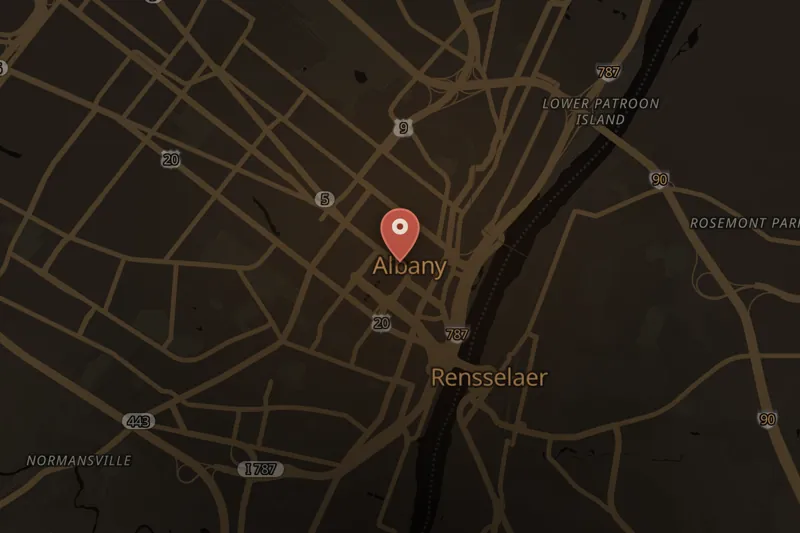
In retaliation, New France's governor, Louis de Buade de Frontenac, organized an expedition from Montreal to attack English outposts, intending to intimidate the Iroquois and cut them off from trade with the English. The expedition, originally aimed at Fort Orange (present-day Albany), consisted of 114 French Canadians (mostly coureurs de bois and some marines), 80 Sault, and 16 Algonquin warriors, along with a few converted Mohawks. Leaders included Jacques le Moyne de Sainte-Hélène and Nicolas d'Ailleboust de Manthet, with Pierre Le Moyne d'Iberville as second-in-command.
The Attack
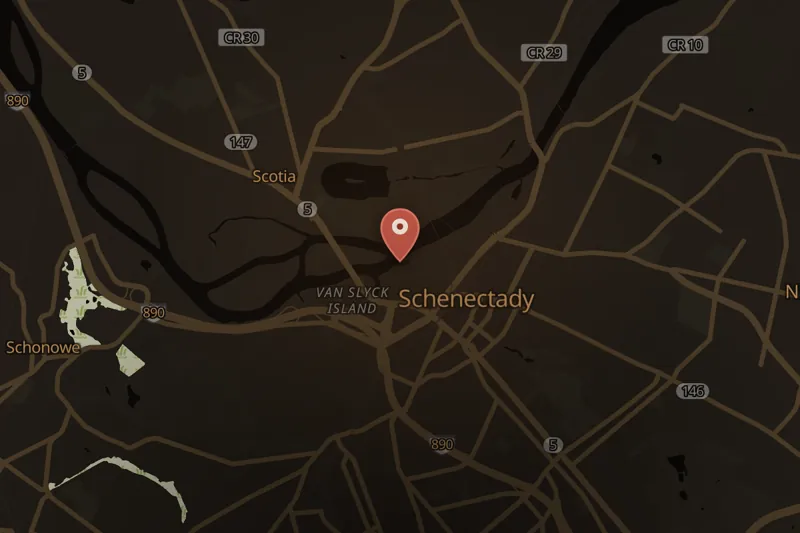
Finding Fort Orange too well defended, the expedition turned toward the smaller frontier village of Schenectady, whose stockade gate was found unguarded on February 8, 1690. Political polarization between Schenectady and Albany following Leisler's Rebellion had left the settlements without agreed-upon sentries. The raiders entered the village silently before dawn and attacked, burning more than 60 buildings and killing residents, most of whom were in nightclothes and unable to arm themselves.
Sixty residents were killed, including 38 men, 10 women, 12 children, and 11 Black slaves. Approximately 20 Mohawk residents were deliberately spared so that Native allies of the English would understand the attack targeted the English, not the Mohawk. Among the dead was Dominie Petrus Tessemacher, the first Dutch Reformed Church pastor ordained in the Americas, whom the raiders had intended to take captive but killed instead. Reynier Schaets, a surgeon and justice appointed by Jacob Leisler, was also killed along with a son; his wife and three other children survived.
The raiders departed with 27 captives, including five Black slaves, and 50 horses. Some captives were released to John Alexander Glen of Scotia in gratitude for prior kindness to the French. Others were marched roughly 200 miles toward Montreal under harsh conditions; those unable to keep pace were killed en route. Symon Schermerhorn, though wounded, escaped and rode to Albany to warn of the attack, an event later commemorated annually by the city's mayor.
Aftermath
Three male captives—Johannes Teller and brothers Albert and Johannes Vedder—were later redeemed. Jan Baptist Van Eps escaped from the Mohawk after three years, and Lawrence Vander Volgen returned after eleven years, later serving as a provincial interpreter. The attack helped unify New York's political factions, leading the Albany Convention to acknowledge Leisler's authority. A retaliatory expedition toward Montreal, led by Fitz-John Winthrop, turned back in August 1690 due to disease and supply shortages. In 1990, Schenectady commissioned a musical work commemorating the massacre's tricentennial.

 SOLVEDListen