Skip to content
Casepin

Solved case · 1894

Murder of Robert Ross

Also known as Robert Ross's murder · Robert Ross's killing

SOLVEDCONVICTED
Updated
Updated Jul 5, 2026
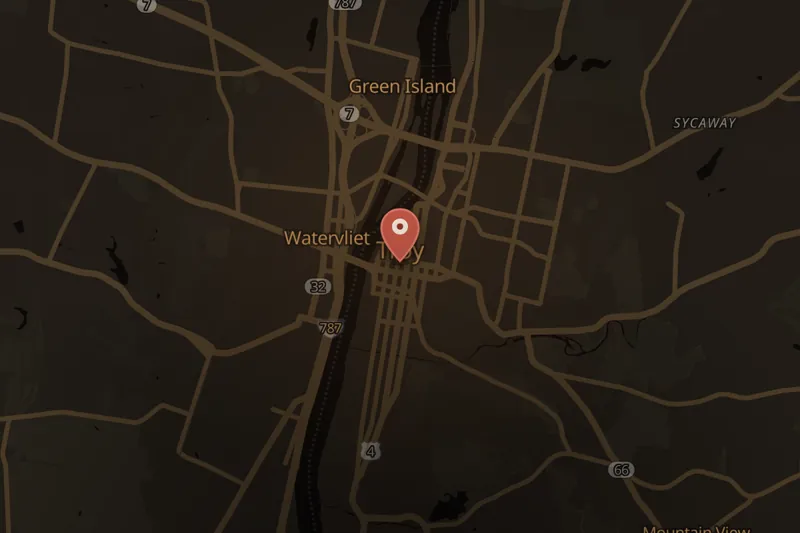
Thirteenth Ward polling booth, Troy, New YorkView on the map

The short answer

Murder of Robert Ross in brief

Robert Ross, a young poll watcher, was fatally shot during an election riot in Troy, New York, on March 6, 1894; Bartholomew Shea was convicted of first-degree murder and executed in 1896, while John McGough was convicted of first-degree assault.

Key facts

Year
1894
Place
Thirteenth Ward polling booth, Troy, New York
Status
SOLVEDSolved
Victims
William Ross and Robert Ross
Outcome
Convicted: Bartholomew Shea and John McGough

The coverage index

Where to watch & listen

No one's coverage is attached to this file yet.

Know great coverage of this case?

A documentary, a podcast episode, a careful long-form video. Suggest it and an editor will review it before it appears here.

Suggest coverage for Murder of Robert Ross

The case file

What happened

On March 6, 1894, an election-day riot broke out in Troy, New York, at a polling booth in the third district of the Thirteenth Ward. The violence erupted amid tensions between pollwatchers and Catholic working-class minority voters who were suspected of engaging in ballot stuffing. Robert Ross and his brother William were present as poll watchers when a dispute arose after members of a group led by Bartholomew Shea allegedly attempted to vote using another citizen's name. Clubs and revolvers were reportedly drawn, and multiple shots were fired in the ensuing chaos.

When the fighting ended, Robert Ross had been fatally shot, and his brother William had been struck by a bullet in the neck but survived. Shea and John McGough, who fled the scene, were each found to have sustained minor wounds. Both men were subsequently caught and arrested. At the time of his arrest, McGough initially claimed that he had fired the shot that killed Ross, but he later withdrew this claim. Years afterward, following Shea's execution, McGough reportedly repeated the claim that he had been the shooter.

An original suspect in the shootings, John Boland, was arrested but later released from custody. A contemporaneous New York Times report placed responsibility for the climate of violence on former Troy Mayor Edward Murphy Jr., who had been elected to the United States Senate the previous year, asserting that firearms had been present at Troy elections "ever since 'Boss' Murphy's gang began their systematic frauds, a dozen years ago."

The trial of Shea and McGough began on May 28, 1894. On July 4, 1894, a jury convicted Shea of first-degree murder and McGough of first-degree assault. McGough was sentenced to 19.5 years' imprisonment, while Shea was sentenced to death. Shea's legal team pursued several lengthy appeals and sought to have his death sentence commuted, but these efforts were unsuccessful, and he was executed in 1896.

Troy attorney Frank S. Black assisted in the prosecution of Shea and McGough. The public recognition he gained from the case is credited with helping propel his subsequent political career: he was elected to a seat in the United States House of Representatives in 1894 and later became Governor of New York in 1896.

4 dated entries · 1894–1896

Timeline

  1. Election riot in Troy, New York; Robert Ross fatally shot and his brother William Ross wounded during a confrontation at a polling booth in the Thirteenth Ward.

  2. Trial of Bartholomew Shea and John McGough begins.

  3. Shea convicted of first-degree murder; McGough convicted of first-degree assault. McGough sentenced to 19.5 years imprisonment; Shea sentenced to death.

  4. Bartholomew Shea executed following unsuccessful appeals and clemency efforts.

4 named in this file

People

Victims first. Every legal label is set from public records and court outcomes, not from the prose.

  • Robert Ross

    VICTIM

    Poll watcher fatally shot during the 1894 Troy election riot.[3]

  • William Ross

    VICTIM

    Poll watcher and brother of Robert Ross; shot in the neck but survived the riot.[3]

  • Bartholomew Shea

    CONVICTED

    Convicted of first-degree murder for the killing of Robert Ross; sentenced to death and executed in 1896.[3]

  • John McGough

    CONVICTED

    Convicted of first-degree assault in connection with the riot; sentenced to 19.5 years imprisonment. Initially claimed, then withdrew, and later repeated a claim that he fired the fatal shot.[3]

From the record

Quick answers

Who were convicted?
Bartholomew Shea: Convicted of first-degree murder for the killing of Robert Ross; sentenced to death and executed in 1896. John McGough: Convicted of first-degree assault in connection with the riot; sentenced to 19.5 years imprisonment. Initially claimed, then withdrew, and later repeated a claim that he fired the fatal shot.

3 cited

Sources

Coverage is not a source: every fact in this file rests on the records below.

  • 2 Press
  • 1 Encyclopedic
  1. Contemporaneous coverage — correctionhistory.org

    Presscorrectionhistory.orgAccessed Jul 5, 2026

  2. Contemporaneous coverage — timesunion.com

    Presstimesunion.comAccessed Jul 5, 2026

  3. Murder of Robert Ross

    EncyclopedicWikipediaAccessed Jul 5, 2026

Trust

Record history

First published
Jul 5, 2026
Last verified against sources
Jul 5, 2026
Corrections
None

Are you family of someone named in this file? Corrections and removal requests from victims’ families are prioritized.