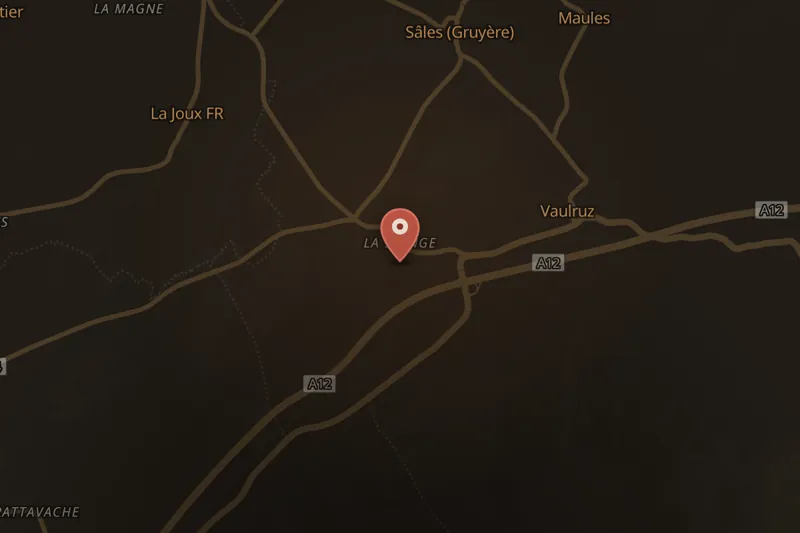
On 10 September 1898, Elisabeth, Empress of Austria and Queen of Hungary, was walking with her lady-in-waiting, Countess Irma Sztáray, along the shore of Lake Geneva in Switzerland to board the steamship Genève for Montreux. The 60-year-old empress was travelling incognito under the pseudonym "Countess of Hohenembs," but a Geneva newspaper had revealed her true identity and presence at the Hôtel Beau-Rivage.
At 1:35 p.m., a 25-year-old Italian anarchist, Luigi Lucheni, approached the two women and, in what appeared to observers to be a stumble, stabbed Elisabeth in the chest with a sharpened needle file that had been fitted into a wooden handle. Elisabeth initially got back to her feet and continued to the boat, but collapsed and lost consciousness shortly after boarding. She was carried back to the hotel, where she was pronounced dead at 2:10 p.m. An autopsy conducted the following day found that the weapon had penetrated the thorax, fractured a rib, pierced the lung and pericardium, and entered the heart; the tight lacing of her corset was noted to have slowed the internal bleeding, which allowed her to remain conscious and mobile for a period after the attack.
Lucheni fled the scene but was apprehended nearby by cabdrivers and a sailor before being secured by a gendarme. He later stated that he had originally intended to kill the Duke of Orléans but, unable to find him in Geneva, selected Elisabeth after learning her identity from a newspaper report. He described his act as one of "propaganda of the deed," stating he sought to kill a sovereign rather than a specific individual. The weapon was recovered the day after the attack by a hotel concierge, who did not immediately report it to police.
The killing prompted public outcry over the absence of adequate protection for the empress; Swiss authorities had been aware of her presence and had arranged security, but Elisabeth had objected to visible police surveillance and it had been withdrawn at her request. The attack also caused unrest in Vienna directed at Italians, given Lucheni's nationality.
Lucheni was brought before the Geneva court in October 1898. He protested that the death penalty had been abolished in Geneva and requested trial under laws that retained capital punishment. His sanity was questioned given Elisabeth's reputation for charitable works and her lack of political power, but he was declared sane and tried as an ordinary murderer rather than a political offender.
Elisabeth's body was returned to Vienna by funeral train and interred in the Imperial Crypt at the Capuchin Church on 17 September 1898, with numerous foreign sovereigns and nobles in attendance.



 SOLVEDListen