Skip to content
Casepin

Solved case · 1932

November 1932 Geneva shooting

SOLVEDCONVICTED
Updated
Updated Jul 7, 2026
Monument 9 novembreMonument 9 novembreCredit: Credits to Mourad Ben Abdallah / Wikimedia CommonsCC BY-SA 3.0Source

The short answer

November 1932 Geneva shooting in brief

On 9 November 1932, Swiss Army recruits deployed to police a fascist rally in Geneva's Plainpalais district opened fire on anti-fascist counter-protesters, killing 13 people and wounding 65 in a shooting lasting about 12 seconds.

Key facts

Year
1932
Place
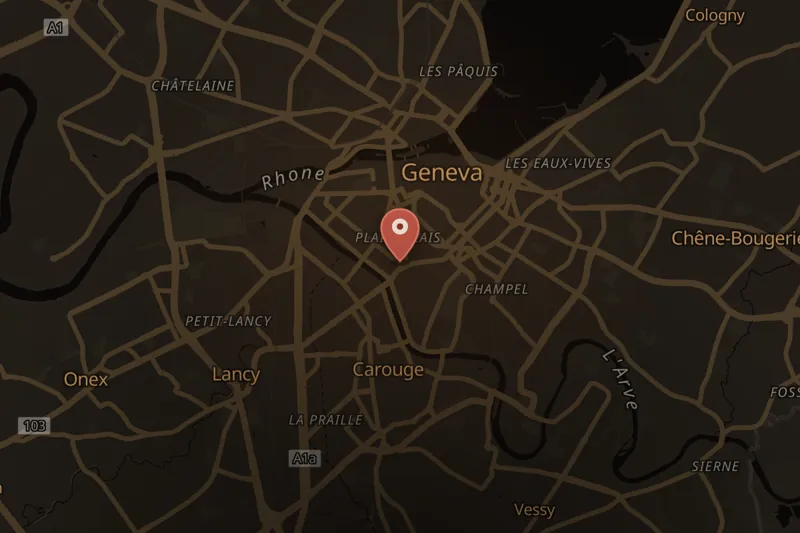
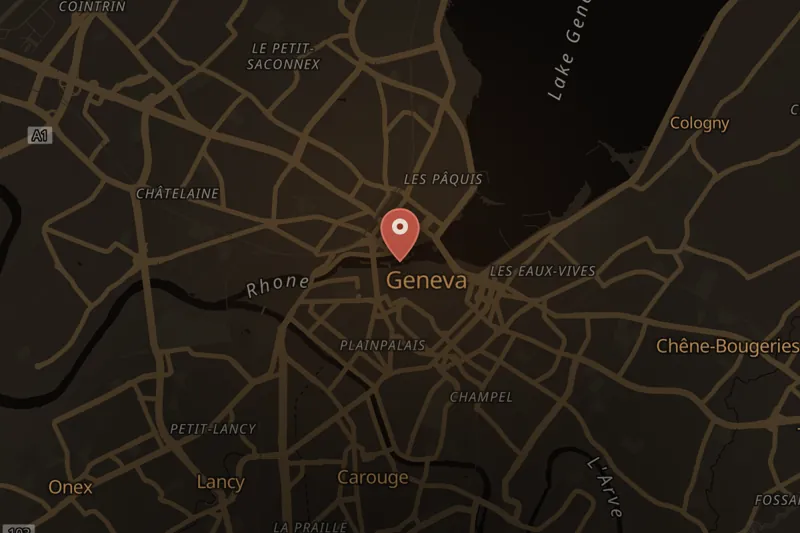
Plainpalais, Geneva, Switzerland
Status
SOLVEDSolved
Victim
Henri Furst
Outcome
Convicted: Auguste Millasson, Léon Nicole, Albert Wütrich, Francis Baeriswyl, Edmond Isaak, Francis-Auguste Lebet and Jules Daviet

The coverage index

Where to watch & listen

No one's coverage is attached to this file yet.

Know great coverage of this case?

A documentary, a podcast episode, a careful long-form video. Suggest it and an editor will review it before it appears here.

Suggest coverage for November 1932 Geneva shooting

The case file

What happened

On the afternoon and evening of 9 November 1932, Swiss Army troops fired live ammunition into a crowd of anti-fascist counter-protesters in the Plainpalais district of Geneva, killing 13 people and wounding 65. The shooting occurred against a backdrop of rising political violence between far-right and far-left movements in Europe, economic crisis, and unemployment. In Geneva specifically, the fascist Union nationale party, led by Georges Oltramare, had grown in influence and clashed repeatedly with the Socialist Party of Geneva, led by Léon Nicole, and its allied Workers' Unions.

The immediate trigger was a Union nationale-organized "mock trial" against Socialist leaders Nicole and Jacques Dicker, scheduled for the evening of 9 November at the communal hall in Plainpalais. Despite objections from the Socialist Party, authorities allowed the event to proceed. Socialist and Communist militants organized a counter-protest, and by late afternoon 4,000 to 5,000 counter-protesters had gathered. Citing insufficient police personnel, the Conseil d'État of Geneva deployed army recruits from a Lausanne boot camp — soldiers with only about six weeks of training — under Major Ernest Léderrey, Major Perret, and First Lieutenant Raymond Burnat. Recruits were told a "revolution" was underway and issued live ammunition.

As a company of soldiers retreated toward the communal hall, they were cornered against the facade of the Palais des expositions by protesters. At 9:34 PM, on orders from First Lieutenant Burnat with approval from Major Perret, the troops opened fire with rifles and an automatic weapon for approximately 12 seconds. Ten people were killed immediately — mostly bystanders rather than militants — with three more later dying of their injuries, bringing the death toll to 13, and 65 others wounded. Among the dead was Henri Furst, president of the Communist Party of Geneva.

In the aftermath, an official military inquiry released on 22 November 1932 found no grounds to open penal proceedings against the officers involved, concluding the troops had fired only when forced to. However, Major Léderrey acknowledged in his own report that recruits were unsuited for such policing tasks. A 1996 Federal Military Library report stated that officials had "overestimated the seriousness of the events" and ordered fire. A trial opened in May 1933 against left-wing figures accused of inciting the riot; seven defendants, including Nicole, were convicted of incitement and given prison sentences of up to six months (four months for most, six for Nicole).

The event triggered a partially observed general strike on 12 November 1932 and had lasting political consequences, including the 1934 rejection of a Federal law on public order and a split within the Swiss Socialist movement over national defense policy. It marked the last time Swiss troops were deployed to quell domestic public unrest. A commemorative monument was unveiled in 1982 and relocated to the exact site of the shooting, in front of the University of Geneva, following a 2008 decision by the State Council of Geneva.

17 dated entries · 1930–2008

Timeline

  1. Cantonal elections give the Socialist Party of Geneva 37 legislative seats but none in the executive Conseil d'État.

  2. The Ordre politique national merges with the Union de défense économique to form the fascist Union Nationale party.

  3. A Union nationale pamphlet advertises a mock trial against Socialist leaders Nicole and Dicker, to be held 9 November.

  4. The Socialist Party's request to ban the mock-trial meeting is denied by State councilor Frédéric Martin.

  5. Army recruits under Major Léderrey, Major Perret and First Lieutenant Burnat are deployed to Plainpalais; at 9:34 PM troops open fire on counter-protesters, killing 10 immediately and wounding 65; three more later die of injuries.

  6. The State Council bans public meetings; Frédéric Martin, Léon Nicole and 39 other left-wing militants are arrested.

  7. The assembly of the Union des syndicats du canton de Genève votes to launch a fixed-duration general strike.

  8. A partially observed general strike takes place; burial of the victims is attended by thousands.

  9. Charles Rosselet addresses the Grand Conseil regarding the events of 9 November.

  10. The official military inquiry finds no grounds for penal proceedings against the officers involved.

  11. Trial opens at Rue de la Rôtisserie under Federal judge Agostino Soldati against 18 defendants accused of inciting the riot.

  12. Léon Nicole is released from his prison sentence.

  13. Socialist Party wins executive elections at the State Council of Geneva, forming the first left-wing government in Switzerland.

  14. Léon Nicole becomes chief of government of Geneva.

  15. A commemorative monument is unveiled on the 50th anniversary of the shooting near the site in Plainpalais.

  16. The Federal Military Library releases a report stating officials overestimated the seriousness of events before ordering fire.

  17. The State Council of Geneva authorises moving the monument to the exact spot of the shooting in front of the University of Geneva.

8 named in this file

People

Victims first. Every legal label is set from public records and court outcomes, not from the prose.

  • Henri Furst

    VICTIM

    President of the Communist Party of Geneva, killed in the shooting of 9 November 1932.[3]

  • Albert Wütrich

    CONVICTED

    Convicted in the May 1933 trial of inciting a riot and sentenced to up to 4 months' imprisonment.[3]

  • Auguste Millasson

    CONVICTED

    Convicted in the May 1933 trial of inciting a riot and sentenced to up to 4 months' imprisonment.[3]

  • Edmond Isaak

    CONVICTED

    Convicted in the May 1933 trial of inciting a riot and sentenced to up to 4 months' imprisonment.[3]

  • Francis Baeriswyl

    CONVICTED

    Convicted in the May 1933 trial of inciting a riot and sentenced to up to 4 months' imprisonment.[3]

  • Francis-Auguste Lebet

    CONVICTED

    Convicted in the May 1933 trial of inciting a riot and sentenced to up to 4 months' imprisonment.[3]

  • Jules Daviet

    CONVICTED

    Convicted in the May 1933 trial of inciting a riot and sentenced to up to 4 months' imprisonment.[3]

  • Léon Nicole

    CONVICTED

    Socialist Party of Geneva leader; convicted in the May 1933 trial of inciting a riot and sentenced to 6 months' imprisonment.[3]

From the record

Quick answers

Who were convicted?
Auguste Millasson: Convicted in the May 1933 trial of inciting a riot and sentenced to up to 4 months' imprisonment. Léon Nicole: Socialist Party of Geneva leader; convicted in the May 1933 trial of inciting a riot and sentenced to 6 months' imprisonment. Albert Wütrich: Convicted in the May 1933 trial of inciting a riot and sentenced to up to 4 months' imprisonment. Francis Baeriswyl: Convicted in the May 1933 trial of inciting a riot and sentenced to up to 4 months' imprisonment. Edmond Isaak: Convicted in the May 1933 trial of inciting a riot and sentenced to up to 4 months' imprisonment. Francis-Auguste Lebet: Convicted in the May 1933 trial of inciting a riot and sentenced to up to 4 months' imprisonment. Jules Daviet: Convicted in the May 1933 trial of inciting a riot and sentenced to up to 4 months' imprisonment.

3 cited

Sources

Coverage is not a source: every fact in this file rests on the records below.

  • 2 Press
  • 1 Encyclopedic
  1. Contemporaneous coverage — hls-dhs-dss.ch

    Presshls-dhs-dss.chAccessed Jul 7, 2026

  2. Contemporaneous coverage — cgas.ch

    Presscgas.chAccessed Jul 7, 2026

  3. November 1932 Geneva shooting

    EncyclopedicWikipediaAccessed Jul 7, 2026

Trust

Record history

First published
Jul 7, 2026
Last verified against sources
Jul 7, 2026
Corrections
None

Are you family of someone named in this file? Corrections and removal requests from victims’ families are prioritized.