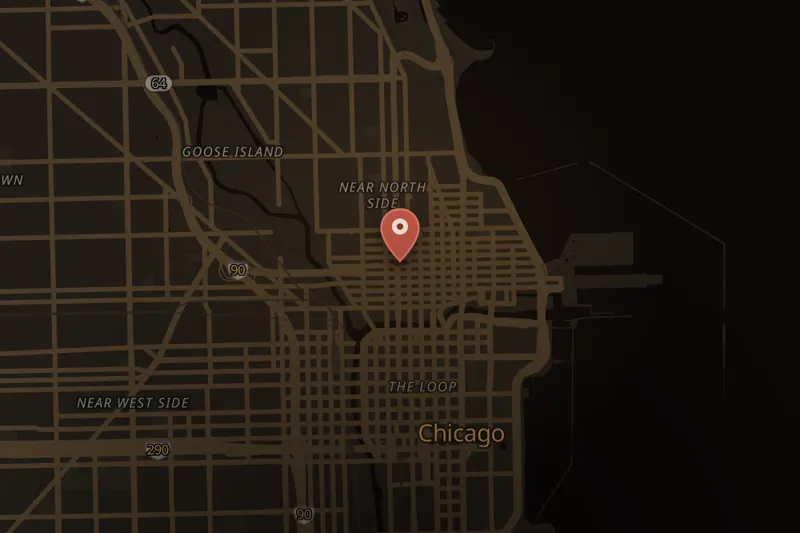
On October 28, 1893, Carter Harrison III, the mayor of Chicago, was fatally shot inside his residence by Patrick Eugene Prendergast, a newspaper distributor. Prendergast believed he was entitled to be appointed the city's corporation counsel as a reward for his support of Harrison's campaigns, and had grown angry when no such appointment or recognition materialized after Harrison's fifth-term election victory earlier in 1893. Earlier that same day, Prendergast had purchased a .38 revolver and threatened the sitting corporation counsel, Adolph Kraus, before proceeding to Harrison's residence that evening.
Harrison, known as an accessible "people's mayor" who allowed walk-in visitors, greeted Prendergast at the door of his home. Prendergast fired four shots, striking Harrison in the hand, abdomen, chest, and shoulder. Harrison remained conscious for roughly twelve minutes, telling his son "Yes. I am shot. I will die," before succumbing to internal hemorrhaging about twenty minutes after being shot. Prendergast fled but surrendered himself at a nearby police station within the hour, still carrying the gun, and confessed that he shot Harrison because the mayor had not kept a promise to give him a position.
The assassination occurred two days before the scheduled closing of the World's Columbian Exposition, whose closing ceremony was canceled and replaced with a memorial service. Harrison's death drew immediate comparisons to the 1881 assassination of President James Garfield by Charles Guiteau, another disappointed office-seeker. Public mourning was extensive: more than 100,000 people viewed Harrison lying in state at Chicago City Hall, and his funeral procession was watched by a crowd estimated between 500,000 and one million.
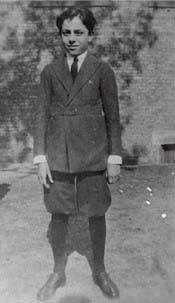
Prendergast was indicted for first-degree murder, and after an insanity defense was rejected, a jury convicted him and sentenced him to death on December 29, 1893. Attorney Clarence Darrow, in his first murder case, later led Prendergast's defense team, pursuing appeals including a sanity proceeding under an Illinois statute barring execution of individuals found to have become insane after conviction. On July 3, 1894, a jury found Prendergast sane, and subsequent appeals to the Illinois Supreme Court and a federal district judge were unsuccessful. Prendergast was executed by hanging on July 13, 1894, at the Cook County Jail, telling a priest as his last words, "I had no malice against anyone." He was buried at Calvary Cemetery in Evanston, Illinois.
The case set legal precedent in subsequent appellate litigation and is credited with inspiring Chicago priest Casimir Zeglen's early development of a bulletproof vest. Harrison was one of two Chicago mayors assassinated in office, the other being Anton Cermak in 1933. The case has since faded from broad public memory but has been the subject of later historical and literary treatment, including as a subplot in Erik Larson's book "The Devil in the White City."


 Credit: Unknown photographer; via Wikimedia CommonsPublic domainSourceSOLVEDListen