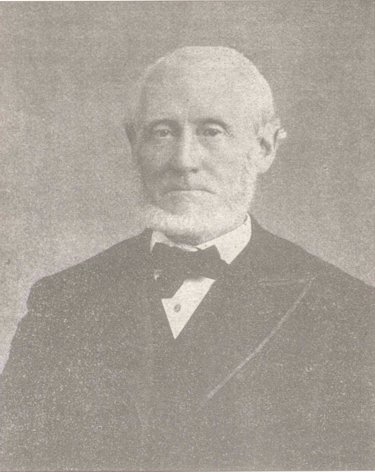
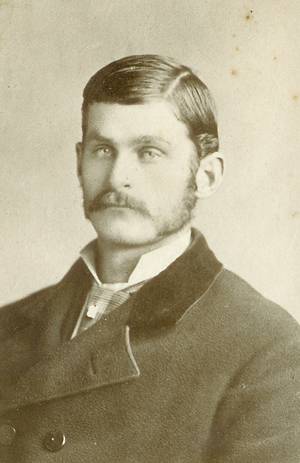
On 10 August 1893, 20-year-old Windsor Dudley Cecil Hambrough died of a shotgun wound while on a hunting outing on the Ardlamont estate in Argyll, Scotland. Hambrough had been in the care of Alfred John Monson, who had worked as his tutor since 1891 and with whom Hambrough had been living, first at Risley Hall, Yorkshire, and then at the leased Ardlamont estate for the shooting season. A third man in the hunting party, who introduced himself as "Edward Scott" but was later identified as a London bookmaker's clerk named Edward Sweeney, was also present.
According to the account given by Monson and Scott, Hambrough fell while climbing a wall and his own shotgun discharged into his head, killing him instantly. Estate workers who saw Monson and Scott running back to the house testified that both men were carrying guns and were seen cleaning them in view of staff. Local doctor John MacMillan, called to examine the body, detected a smell of whisky on Hambrough and noted a small entry wound suggesting the gun muzzle had been close to the victim's head when it discharged.
A representative of the Inveraray procurator fiscal's office initially agreed the death was an accident, and no formal post-mortem was conducted. Two weeks later, Monson himself reported to the fiscal's office that Hambrough had taken out two life insurance policies worth £20,000 just six days before his death, made out in the name of Monson's wife. These policies had been arranged through Monson's friend Arthur Sebright, an insurance broker who had also discussed joint financial ventures with Hambrough tied to an anticipated £200,000 inheritance at age 21. Following searches of the estate and staff interviews, Monson was charged with murder, and Scott, who had fled, was named as an accomplice.
The trial opened in December 1893 amid intense media coverage, with more than 100 journalists attending and The Scotsman devoting an average of 20 columns daily to proceedings. Prosecution witnesses included University of Edinburgh forensic experts Joseph Bell and Henry Littlejohn, who performed the autopsy, along with ballistics expert Patrick Heron Watson. The three agreed the wound shape was inconsistent with Hambrough's own gun and that the shooter would have needed to stand 8 to 10 feet away. The defence, led by advocate John Comrie Thomson, called Professor Matthew Hay, whose contradictory expert testimony introduced doubt. After 73 minutes of deliberation, the jury returned a "not proven" verdict, and Monson was released.
Hambrough was buried at St Catherine's Church, Ventnor, Isle of Wight. Weeks after the trial, Monson published a pamphlet, The Ardlamont Mystery Solved, asserting the death was accidental and including a purported diary of Edward Scott/Sweeney, which Sweeney later said was fabricated after he contacted the press; the outlawry sentence against him was lifted in May 1894.
In 1894, Monson sued Madame Tussauds after the waxworks displayed a figure of him holding a gun in its Chamber of Horrors, winning one farthing in damages in a case that established the legal principle of "libel by innuendo."

 Credit: Wikipedia/Wikimedia Commons — biographical infobox portrait paintingPublic domainSourceSOLVEDListen