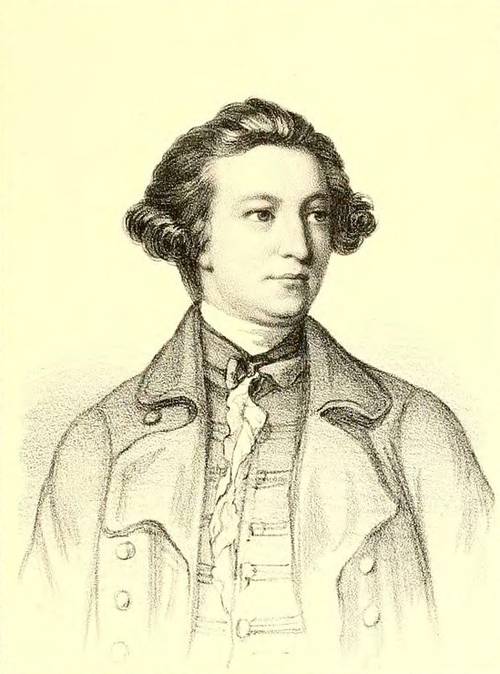
Alexander Montgomerie, 10th Earl of Eglinton, was a wealthy Scottish peer and landowner, and eldest son of the 9th Earl of Eglinton and Susanna, Countess of Eglinton. He built the village of Eaglesham in Renfrewshire in 1769 and served as Grand Master Mason of the Grand Lodge of Scotland from 1750 to 1751. He had no legitimate offspring and was reportedly engaged to Jane (or Jean) Montgomerie at the time of his death.
Mungo Campbell, born in 1712 and the son of a Provost of Ayr, had served in the Scots Greys and fought with Lord Loudoun's loyal Highlanders after the Battle of Culloden. In 1746 he was appointed an excise officer, working in Newmilns, Stewarton, Irvine, and finally Saltcoats. Prior to the fatal encounter, tension had built between Campbell and the Earl's household: Campbell had seized eighty gallons of contraband rum from Alexander Bartleymore, a favoured servant of the Earl, who held a grudge afterward, and Campbell had also been reprimanded by the Earl after accidentally shooting a hare on the estate.
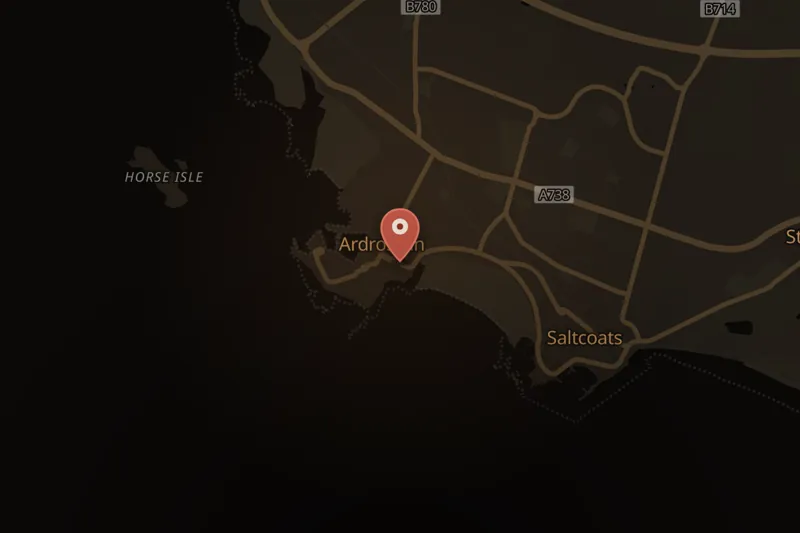
On 24 October 1769, Campbell was walking with John Brown, a tide-officer from Saltcoats, hunting for woodcock in the glen of the Montfode Burn. Campbell held permission to shoot on the neighbouring lands of Montfode but not on the Earl's ground, and the pair briefly crossed onto Eglinton land before reaching the beach. Lord Eglinton, travelling by carriage toward Fairlie with servants on horseback, was told that armed men had been seen on his land and rode down to confront them. He demanded Campbell surrender his gun; Campbell refused, saying he would rather die. As the Earl advanced on Campbell, who was retreating backward, Campbell stumbled and fell, then fired at the Earl as the Earl moved to seize his gun, wounding him mortally in the bowels. Campbell was restrained by the Earl's servants and transported via Irvine, Ayr, and Glasgow to Edinburgh. The Earl was carried to Eglinton Castle, where he died about ten hours later, in the early morning of 25 October 1769, after settling his affairs. A contemporary newspaper initially and inaccurately reported the incident as a duel over a woman.
Legal argument arose over jurisdiction because the shooting occurred on the beach between high and low water marks, an area that could fall under the Lord High Admiral of Scotland's authority for murders at sea. Several of the Earl's servants gave evidence at trial. Following legal process, Mungo Campbell was sentenced to be held in the Edinburgh tolbooth on bread and water and to be hanged in the Grassmarket on 11 April 1770, with his body to be given for dissection afterward. Before the execution could occur, Campbell hanged himself in his cell using a silk scarf provided by friends. A crowd expecting a public execution reportedly exhumed and abused his body; his friends later reclaimed the corpse and buried it at sea.
The Earl, dying without an heir, was succeeded by his brother Archibald as the 11th Earl of Eglinton. His mother, Susanna, Dowager Countess of Eglinton, was reported to have withdrawn from society following his death. The event has been commemorated locally, including with a plaque placed by North Ayrshire Council in 2014 near the Montfode Burn bridge.

 Credit: Jonathan NaingCC BY-SA 2.0SourceSOLVEDListen