
Unsolved case
Takkar massacre
On 28 May 1930, British Indian Army forces killed approximately 70 non-violent Pashtun protesters and wounded 150 in the village of Takkar after villagers tried to prevent the arrest of Khudai Khidmatgar movement activists.
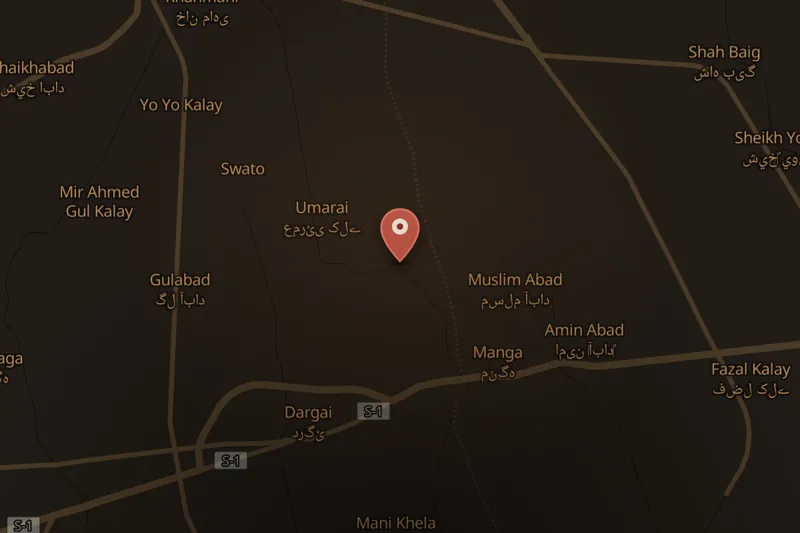
On 28 May 1930, an event now known as the Takkar massacre took place in Takkar, British India, roughly a month after the Qissa Khwani massacre in Peshawar. The Pashto-language book Da Khpal Waakaye Tarun reports that approximately 70 people were killed and 150 were wounded when British Indian Army forces attacked local villagers who had gathered to prevent the arrest of leaders associated with the Khudai Khidmatgar movement, a non-violent Pashtun political movement active in the region at the time.
The events leading to the massacre began on 26 May 1930, when British colonial authorities, led by a police officer identified as Mr. Murphy and accompanied by a police force, arrived in Takkar intending to arrest movement leaders named as Malik Masim Khan, Salar Shamroz Khan, Salar Sarbuland Khan, Malik Khan Badshah, Pir Shahzada, and Malik Hameed of Fazalabad. These individuals refused to surrender, and the resulting standoff escalated into a confrontation the following day. During the unrest, Mr. Murphy, who was on horseback, attempted to force his way into a protest procession and was killed.
In response, a large contingent of colonial troops launched an assault on the village. This assault is the event remembered as the Takkar massacre. Takkar had become a key stronghold of the Khudai Khidmatgar movement following Peshawar and Utmanzai, and the movement was gaining significant momentum in the region at the time.
The tragedy is described as having inspired folk songs, including one titled "Pa Takkar jang de golay warege." A monument has reportedly been erected to honour those who died.
Key facts
- Victims
- On file
- Date
- 1930
- Location
- Takkar, Takhtbai Tehsil, Mardan District, British India (present-day Khyber Pakhtunkhwa, Pakistan)
- Case status
- unsolved
Case timeline
1930-05-26
British colonial authorities, led by police officer Mr. Murphy, arrive in Takkar intending to arrest leaders of the Khudai Khidmatgar movement; the leaders refuse to surrender.
1930-05-27
The standoff escalates into a confrontation; Mr. Murphy is killed while attempting to force his way into a protest procession on horseback.
1930-05-28
British Indian Army troops assault the village of Takkar; approximately 70 people are killed and 150 wounded, according to the Pashto book Da Khpal Waakaye Tarun.
Best coverage
No coverage has been attached to this file yet.
People
No public people records are attached yet.
Places
Common questions
- What happened to the victim?
- On 28 May 1930, British Indian Army forces killed approximately 70 non-violent Pashtun protesters and wounded 150 in the village of Takkar after villagers tried to prevent the arrest of Khudai Khidmatgar movement activists.
- Where did the massacre happen?
- Takkar, Takhtbai Tehsil, Mardan District, British India (present-day Khyber Pakhtunkhwa, Pakistan).
- What is the current status of the case?
- Status: unsolved.
Related cases
View all cases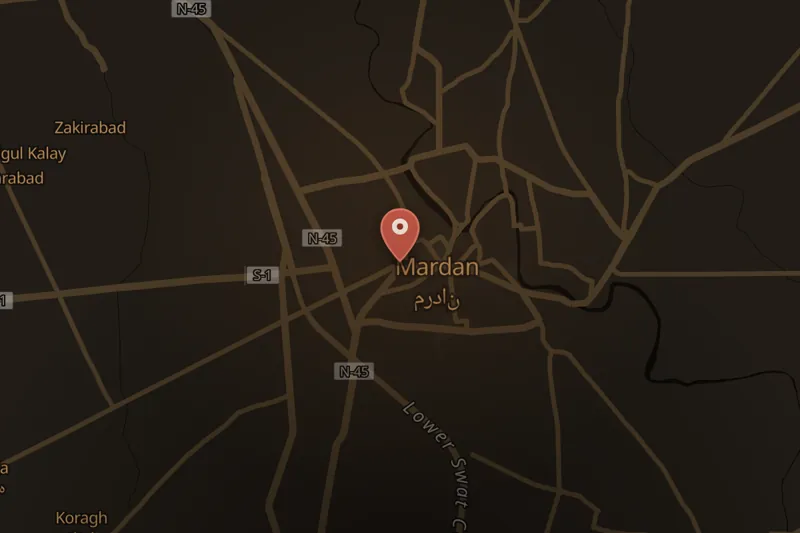
Mardan suicide bombing
Mardan, Khyber Pakhtunkhwa, Pakistan
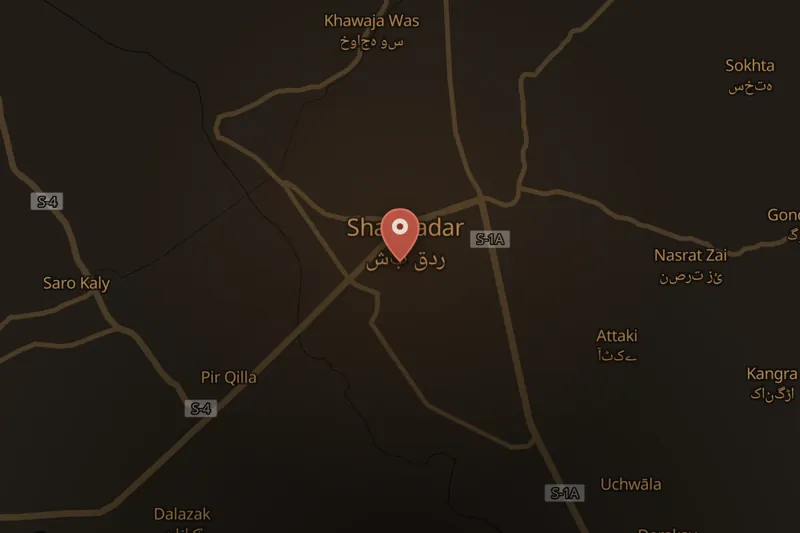
2011 Charsadda bombing
Shabqadar Fort, Charsadda District, Khyber Pakhtunkhwa, Pakistan
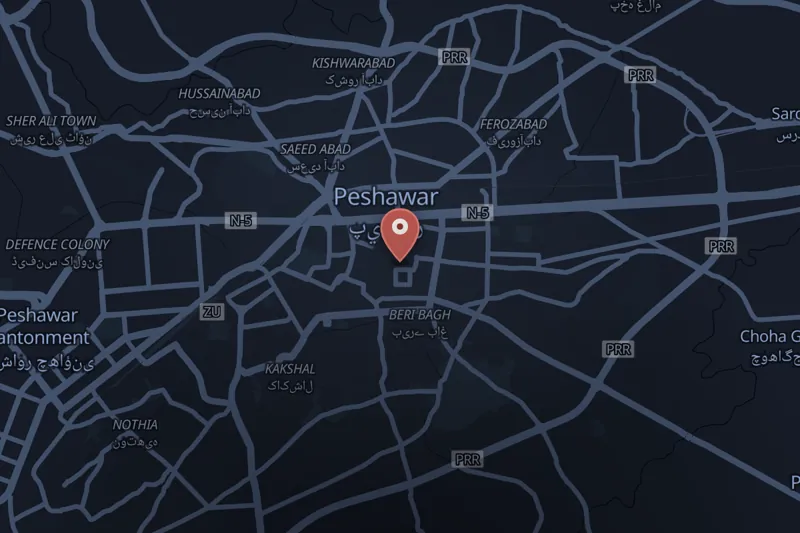
Qissa Khwani Bazaar bombing
Qissa Khwani Bazaar, Peshawar, Pakistan

Zilan massacre
Zilan Valley, near Erciş, Van Province, Turkey

Tongzhou mutiny
Tongzhou, Beijing, China

The Holocaust in Romania
Kingdom of Romania and Romanian-controlled Soviet territories (Bessarabia, Bukovina, Transnistria)
Sources
- ENCYCLOPEDICTakkar massacreWikipedia · 2026-07-07
- PRESSContemporaneous coverage — dawn.comdawn.com · 2026-07-07
- PRESSContemporaneous coverage — thefridaytimes.comthefridaytimes.com · 2026-07-07
Record history
- First published
- JUL 07, 2026
When a file you follow changes — a new development, a correction, fresh coverage — the Dispatch is how you hear about it.
The Casepin Dispatch
A calm weekly briefing from the archive — one case worth understanding, meaningful updates to files you follow, and the best new coverage. You’ll also get the one-time note when the apps land. No gore, no rumor, no drip.