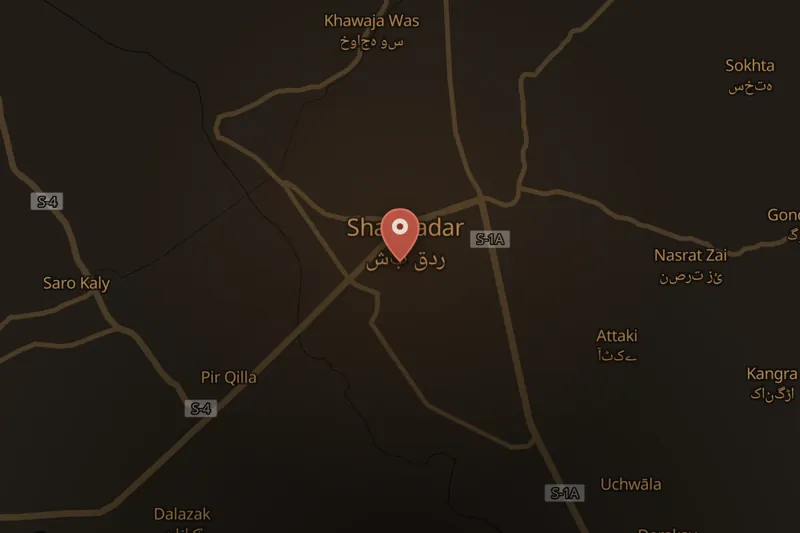
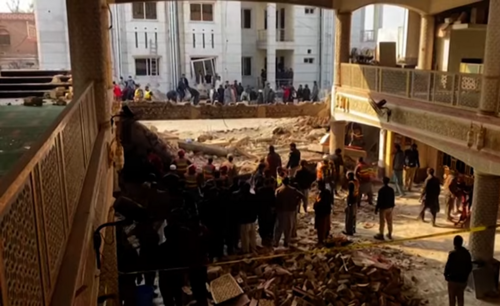
On the morning of 13 May 2011, at approximately 6 am local time, two suicide bombs were detonated at the Frontier Constabulary training centre in Shabqadar Fort, located in Charsadda District of Khyber Pakhtunkhwa province, Pakistan. The attack killed 98 people and injured at least 140 others. The bombing occurred as cadets, who had just completed a six-month training course, were boarding buses to begin a ten-day leave to return home.
The Frontier Constabulary is a paramilitary force of roughly 70,000 personnel that provides security to foreign embassies in major Pakistani cities and staffs checkpoints throughout Khyber Pakhtunkhwa. Established in the 1800s, the force is administered by Pakistani police. For many men from poor families, joining the constabulary is considered a significant and coveted achievement.
According to accounts from the scene, the first bomber detonated a car bomb outside the training academy. Mohammad Sardar, who was wounded in the head and treated at Lady Reading Hospital in Peshawar, described the moment: cadets were celebrating the end of their training and preparing to travel home with their belongings when the first explosion occurred, followed shortly by a second.
The attack was described as the deadliest in Pakistan since the death of al-Qaeda founder Osama bin Laden, which had occurred less than two weeks earlier. That death had raised concerns that Pakistan could face retaliatory violence over its perceived role in the operation against bin Laden.
The Tehrik-i-Taliban Pakistan claimed responsibility for the bombing, stating it was carried out in revenge for bin Laden's death, and warning of further, larger attacks in Pakistan and Afghanistan. However, some local officials expressed doubt about this claim, suggesting the attack might instead have been carried out by a splinter group of the Taliban in response to a Pakistani Army offensive against Taliban militants in the nearby Mohmand region along the Afghan border.
The bombing prompted international financial market reaction, with the Japanese yen rising amid concerns over regional instability. Within Pakistan, the attack was condemned by the President, Prime Minister, and other political figures, including MQM chief Altaf Hussain and Sindh Chief Minister Syed Qaim Ali Shah. British Prime Minister David Cameron spoke by telephone with Pakistani Prime Minister Yousaf Raza Gillani, expressing condolences and support. Gillani stated that Pakistan remained committed to working with the international community to combat terrorism while safeguarding its national interests. The United States embassy in Pakistan also issued a statement condemning the attack and extending condolences to the Pakistani armed forces and to victims' families.
No individuals have been named as charged or convicted in connection with this attack based on available reporting.