Skip to content
Casepin

Solved case · 1911

Torreón massacre

Also known as Matanza de chinos de Torreón · Torreón Chinese massacre

SOLVED
Updated
Updated Jul 7, 2026
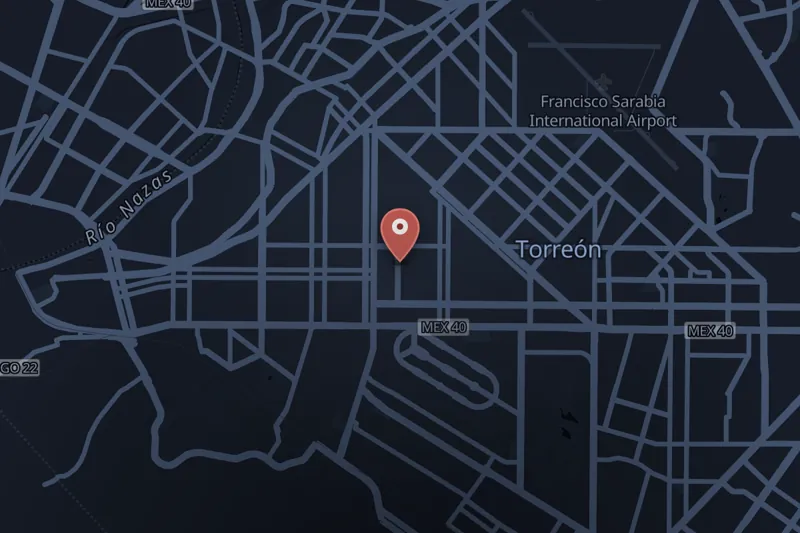
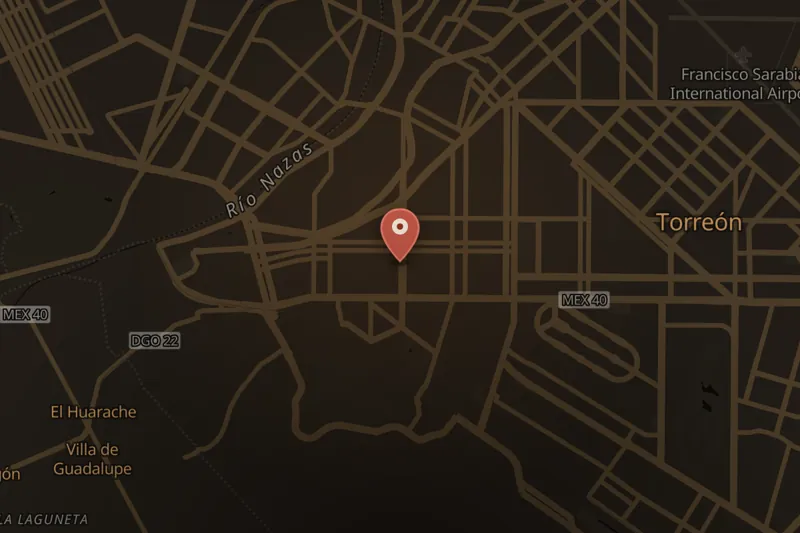
Torreón, Coahuila, MexicoView on the map

The short answer

Torreón massacre in brief

Between May 13–15, 1911, a mob of rebel soldiers and local residents killed 308 Chinese and Japanese immigrants in Torreón, Coahuila, Mexico, amid the Mexican Revolution, destroying much of the city's Chinese-owned property and sparking a diplomatic crisis with Qing China.

Key facts

Year
1911
Place
Torreón, Coahuila, Mexico
Status
SOLVEDSolved
Outcome
No conviction on file

The coverage index

Where to watch & listen

No one's coverage is attached to this file yet.

Know great coverage of this case?

A documentary, a podcast episode, a careful long-form video. Suggest it and an editor will review it before it appears here.

Suggest coverage for Torreón massacre

The case file

What happened

Background

Chinese immigration to Torreón grew rapidly from the 1880s onward, drawn by the city's position at the junction of two railroads and its proximity to the Nazas River, which supported cotton agriculture. By 1900, roughly 500 of the city's 14,000 residents were Chinese, and by 1903 Torreón hosted the largest branch in Mexico of the Baohuanghui (Protect the Emperor Society). Chinese merchants built profitable businesses in groceries, laundries, and banking, including investments tied to reformist politician Kang Youwei. This prosperity generated resentment among local Mexican business owners, who in 1907 formed a chamber of commerce citing foreign domination of commerce. Anti-Chinese sentiment intensified in speeches during Mexican Independence Day observances in September 1910, followed by vandalism of Chinese establishments.

Siege and massacre

On May 13, 1911, Maderista revolutionary forces led by Emilio Madero besieged Torreón, which was defended by Federal troops under General Emiliano Lojero. Rebels killed 112 Chinese gardeners on the city's outskirts during the fighting. Federal forces retreated in the early hours of May 15 due to a shortage of ammunition. Before entering the city, rebel leader Jesús C. Flores delivered a speech calling for the extermination of the Chinese community. When rebel forces and an accompanying mob of over 4,000 people entered Torreón, they looted the business district, released prisoners, and then turned on the Chinese district, killing men, women, and children indiscriminately and mutilating bodies. Some residents intervened to shelter Chinese neighbors. The violence lasted roughly ten hours until Emilio Madero arrived and declared the death penalty for further killings of Chinese people.

Casualties and aftermath

The massacre killed 308 Asian residents — 303 Chinese and 5 Japanese — amounting to nearly half of Torreón's Chinese population. Chinese-owned properties suffered an estimated US$849,928.69 in damage, including a bank, groceries, restaurants, and laundries. Madero convened a military tribunal the same day, which found that Maderista soldiers had "committed atrocities," though soldiers claimed self-defense. Relief efforts by the U.S. Consulate and a local committee raised funds for survivors.

Diplomatic response

Qing China demanded reparations of over 30 million pesos and an official apology, and rumors circulated that a Chinese warship might be dispatched to Mexican waters, though this did not occur. An investigation led by American attorney Lebbeus Wilfley and his partner Arthur Bassett concluded the massacre was "an unprovoked massacre... conceived in malice and race hatred" and rejected claims that the Chinese had been armed. In November 1912, the Republic of China and Mexico reached an agreement in which Mexico agreed to pay 3,100,000 pesos in damages and issued an apology, but payment was never completed following Francisco Madero's 1913 assassination and subsequent Mexican economic instability. In 2021, Mexican President Andrés Manuel López Obrador issued a further apology on the massacre's 110th anniversary.

15 dated entries · 1899–2021

Timeline

  1. Mexico and Qing China sign a Treaty of Amity and Commerce.

  2. Torreón forms the largest Mexican branch of the Baohuanghui (Protect the Emperor Society).

  3. Anti-Chinese sentiments expressed at Mexican Independence Day speeches; subsequent vandalism of Chinese establishments.

  4. Jesús C. Flores delivers speech in Gómez Palacio calling for expulsion of Chinese from Mexico.

  5. Torreón reform association secretary Woo Lam Po circulates warning letter to Chinese community about impending violence.

  6. Maderista forces led by Emilio Madero begin siege of Torreón; 112 Chinese gardeners killed.

  7. Federal forces retreat overnight; rebel forces and a mob enter Torreón and carry out a roughly ten-hour massacre of the Chinese community, ending when Emilio Madero declares the death penalty for further killings.

  8. Qing China demands reparations of over 30 million pesos and dispatches investigator Arthur Bassett to Torreón.

  9. 20 of 35 soldiers suspected of involvement in the massacre have been arrested.

  10. Arthur Bassett submits report concluding the massacre was unprovoked and violated the 1899 treaty.

  11. Second joint report submitted rejecting claims that Chinese residents had resisted rebel troops.

  12. Republic of China and Mexico sign agreement for 3,100,000 pesos in damages and an official apology.

  13. Extended deadline for Mexico's reparations payment to China.

  14. Assassination of Francisco Madero leads to Mexican economic collapse; reparations payment never completed.

  15. Mexican President Andrés Manuel López Obrador apologizes for Mexico's role in the massacre on its 110th anniversary.

2 named in this file

People

Victims first. Every legal label is set from public records and court outcomes, not from the prose.

  • Emiliano Lojero

    LAW ENFORCEMENT

    General commanding Federal forces defending Torreón; ordered retreat before the massacre began.[3]

  • Jesús C. Flores

    LAW ENFORCEMENT

    Revolutionary leader who delivered speeches inciting violence against Chinese residents and was present during the massacre; killed during the fighting while attempting to retrieve an abandoned machine gun. Not formally charged as he died during the events.[3]

3 cited

Sources

Coverage is not a source: every fact in this file rests on the records below.

  • 1 Official / agency
  • 1 Press
  • 1 Encyclopedic
  1. Contemporaneous coverage — nla.gov.au

    Official / agencynla.gov.auAccessed Jul 7, 2026

  2. Torreón massacre

    EncyclopedicWikipediaAccessed Jul 7, 2026

Trust

Record history

First published
Jul 7, 2026
Corrections
None

Are you family of someone named in this file? Corrections and removal requests from victims’ families are prioritized.