
Unsolved case
Vigilantism in India
An overview of vigilantism as a global phenomenon, including documented incidents in India such as the 2004 killing of Akku Yadav by a crowd of women in Nagpur and the 2005 formation of the Salwa Judum anti-Naxalite group in Chhattisgarh.
This case draws on a general reference article about vigilantism, defined by political scientist Regina Bateson as "the extralegal prevention, investigation, or punishment of offenses." The article surveys examples of vigilantism worldwide across history and into the present, including several incidents specifically located in India.
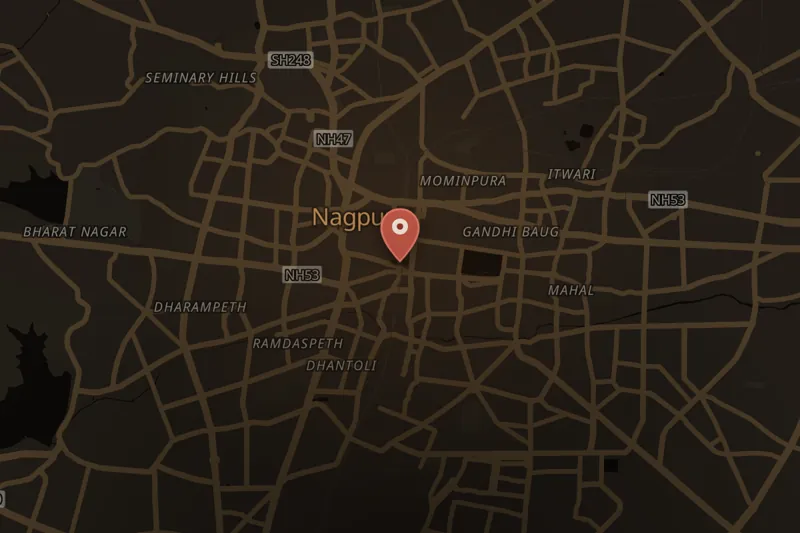
One documented incident occurred on August 13, 2004, in Kasturba Nagar, India, when Akku Yadav was killed by a crowd of approximately 200 women. According to the source, the women involved stated that Yadav had raped them with impunity for more than a decade. The source describes the incident in detail: chilli powder was thrown in his face and stones were hurled at him; as he struggled, one of the women who said she was among his victims cut off his penis with a vegetable knife; the source states a further 70 stab wounds were found on his body, and that the act took approximately 15 minutes. A second India-related entry in the source describes the formation of Salwa Judum in 2005, described as an anti-Naxalite group formed in India that is "suspected to be helping the security forces in their fight against Naxals." The source provides no further detail on specific individuals, prosecutions, or outcomes tied to this group.
A third entry describes the Gulabi Gang, formed in 2006 in Uttar Pradesh, India, characterized in the source as "a female vigilante group dedicated to protecting women of all castes from domestic abuse, sexual violence, and oppression." No further operational or legal detail about this group is provided in the source.
The broader Wikipedia article situates these India-specific incidents within a global historical and comparative discussion of vigilantism, citing examples from Mexico, Finland, the United States, China, El Salvador, the Philippines, Russia, South Africa, Nigeria, Colombia, Afghanistan, England, Northern Ireland, and France, among others.
Key facts
- Victims
- Akku Yadav
- Date
- 2004
- Location
- Kasturba Nagar, Nagpur, India
- Case status
- unsolved
Case timeline
2004-08-13
Akku Yadav is killed by a crowd of around 200 women in Kasturba Nagar, India, who said he had raped them with impunity for over a decade.
2005
Salwa Judum, an anti-Naxalite group, is formed in India and is described as suspected of assisting security forces against Naxals.
2006
The Gulabi Gang is formed in Uttar Pradesh, India, described as a female vigilante group aimed at protecting women from domestic abuse, sexual violence, and oppression.
Best coverage
No coverage has been attached to this file yet.
People
Akku Yadav
VICTIMKilled on August 13, 2004 by a crowd of approximately 200 women in Kasturba Nagar, India, who said he had raped them over more than a decade.
Roles reflect public records and court outcomes at the time of writing — supporting citations are on file under Sources.
Places
Common questions
- What happened to the victim?
- An overview of vigilantism as a global phenomenon, including documented incidents in India such as the 2004 killing of Akku Yadav by a crowd of women in Nagpur and the 2005 formation of the Salwa Judum anti-Naxalite group in Chhattisgarh.
- Where did the crime happen?
- Kasturba Nagar, Nagpur, India.
- What is the current status of the case?
- Status: unsolved.
Related cases
View all cases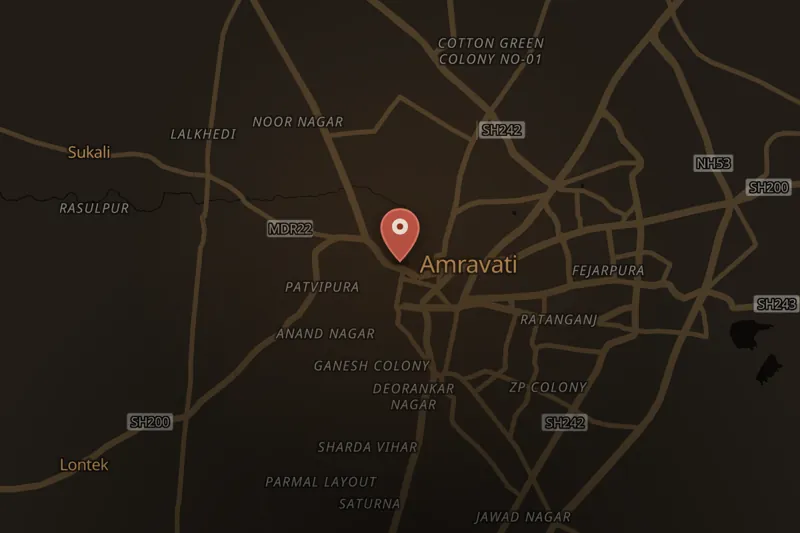
Murder of Umesh Kolhe
Shyam Chowk, Amravati, Maharashtra, India

Assassination of Rajiv Gandhi
Sriperumbudur, Tamil Nadu, India

Assassination of Indira Gandhi
1 Safdarjung Road, New Delhi, India

2024 Kolkata rape and murder
R. G. Kar Medical College and Hospital, Kolkata, West Bengal, India
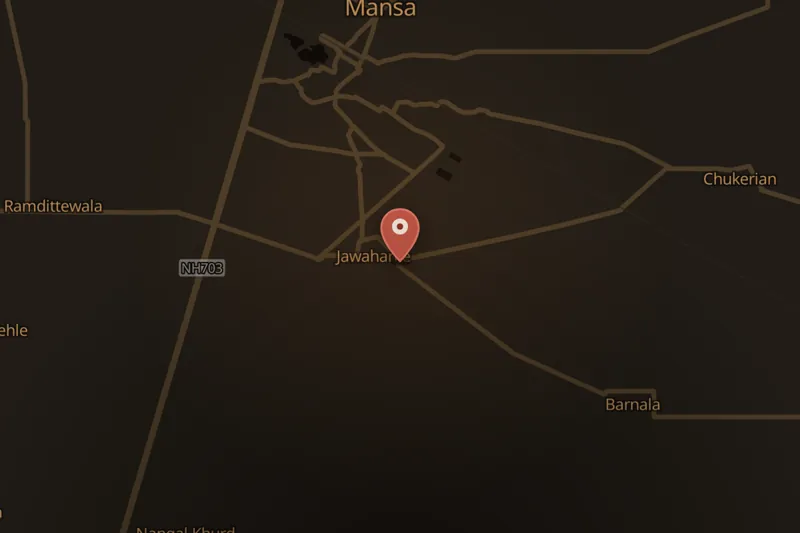
Killing of Sidhu Moose Wala
Jawaharke village, Mansa, Punjab, India

Murder of Jessica Lal
Restaurant near Qutub Minar, Mehrauli, New Delhi
Sources
- ENCYCLOPEDICVigilantismWikipedia · 2026-07-07
- PRESSContemporaneous coverage — BBC NewsBBC News · 2026-07-07
- PRESSContemporaneous coverage — The GuardianThe Guardian · 2026-07-07
Record history
- First published
- JUL 07, 2026
When a file you follow changes — a new development, a correction, fresh coverage — the Dispatch is how you hear about it.
The Casepin Dispatch
A calm weekly briefing from the archive — one case worth understanding, meaningful updates to files you follow, and the best new coverage. You’ll also get the one-time note when the apps land. No gore, no rumor, no drip.