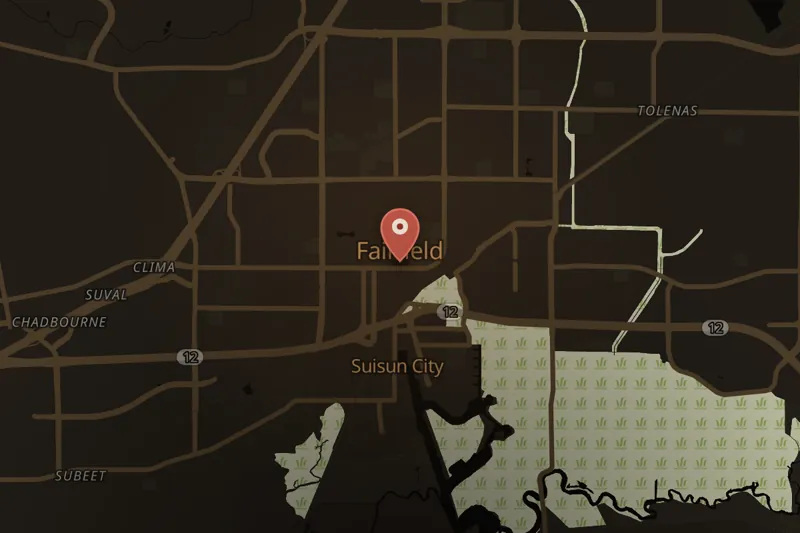
On the morning of August 22, 1928, a mass shooting and axe attack occurred at the Bryan ranch, also known as the Wong Gee ranch, located near Fairfield in unincorporated Solano County, California. Eleven people were killed, including seven members of the Wong family, in an attack that lasted less than twenty minutes and was, at the time, the worst mass murder in California history. The ranch, a 65-acre pear and peach orchard operated by Wong Gee, primarily employed Chinese laborers connected to the nearby Hatch ranch colony and Rockville's Chinatown community.
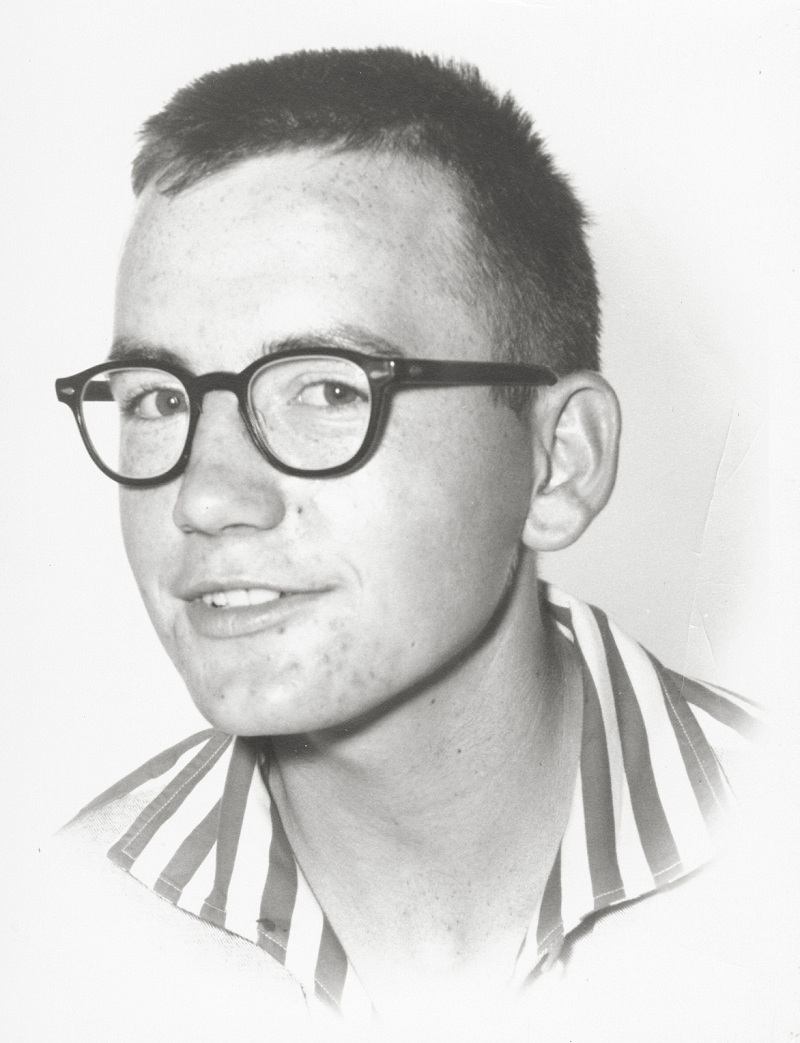
The perpetrator, Leung Ying, had worked briefly at the ranch as a cook and fruit picker in the spring of 1928 before being dismissed in June, reportedly after attacking Wong Gee's teenage daughter Nellie. Armed with a rifle and, by some accounts, a hatchet or cleaver, Leung moved through the ranch's dwellings, killing workers and members of the Wong family, including Wong Gee, his wife, and several of his children. Two of Wong Gee's daughters survived by hiding. Leung fled in a stolen car, prompting a manhunt across Solano, Napa, and Nevada Counties involving law enforcement from four counties as well as members of the Bing Kong Tong. He was located and captured without resistance near Grass Valley in the early morning of August 23 by Nevada County Sheriff George Carter and Deputy Sheriff Arthur Hellings, after officers observed him discard his rifle.
Following his arrest, Leung confessed to the killings, offering shifting explanations that included a belief the Wong family had tried to poison him, romantic rejection by Nellie Wong, and admiration for two other publicized killers. Investigators, including Solano County Sheriff John R. Thornton, dismissed early speculation that the killings were connected to tong warfare, instead attributing the attack to Leung's long-term narcotics use and resulting mental instability. While in custody, Leung attempted suicide by hanging in his jail cell, which was interrupted by guards.
Leung was arraigned on August 24 and pleaded guilty at a preliminary hearing on August 27, during which two men separately attempted to attack him before being disarmed by deputies. His trial at Solano County Superior Court in Fairfield began on August 30 and concluded the following morning with a death sentence, described as one of the shortest formal murder trials in California history. He was sent to San Quentin State Prison to await execution by hanging, scheduled for November 9, 1928.
On October 22, 1928, Leung died by suicide in his San Quentin cell by hanging himself with a knotted towel, becoming the first successful death-row suicide at the prison. The victims were buried in Rockville and later, in 1952, exhumed and reinterred near Colma by the Tung Sen Benevolent Association; some victims were repatriated to China for burial. The surviving Wong sisters, Ruth and Helen, were initially placed in an orphanage before being raised by relatives and later worked as nurses in San Francisco.