Casepin
Back to cases

Active case

1937 Memorial Day Massacre

UNSOLVED1937Near Republic Steel mill, South Chicago3 SOURCESUPDATED JUL 2026
Senate Civil Liberties Hearing. Washington, D.C., July 2. The Senate Civil Liberties Committee played to a full house today as they screened the moves of the Memorial Day Chicago riot at the LCCN2016871947
Senate Civil Liberties Hearing. Washington, D.C., July 2. The Senate Civil Liberties Committee played to a full house today as they screened the moves of the Memorial Day Chicago riot at the LCCN2016871947 — Credit: Harris & Ewing, photographer · Public domain

On Memorial Day, May 30, 1937, striking steelworkers, their families, and sympathizers gathered at Sam's Place, a former tavern serving as headquarters for the Steel Workers Organizing Committee (SWOC), near 113th Street and Green Bay Avenue in Chicago. The gathering, estimated at between 1,500 and 2,500 people, included an outdoor picnic, speeches, and songs. The strike had begun after U.S. Steel signed a union contract with SWOC, part of the Congress of Industrial Organizations (CIO), while smaller manufacturers known as "Little Steel," including Republic Steel, refused to sign, prompting the strike.

The crowd began marching across open ground toward the Republic Steel mill to picket. A line of roughly 300 Chicago police officers blocked their path. After protestors at the front of the march argued for their right to continue, police opened fire on the crowd. As people fled, police continued shooting, ultimately killing ten people — four on the day of the event and six more who died in the following weeks from their injuries. Nine additional people were permanently disabled, and 28 others suffered serious head injuries from police clubbing. Witness Dorothy Day, who was present, wrote that fifty people were shot, of whom ten later died, and about 100 others were beaten with clubs.

The ten people killed were identified as Hilding Anderson, Alfred Causey, Leo Francisco, Earl Handley, Otis Jones, Sam Popovich, Kenneth Reed, Joseph Rothmund, Anthony Tagliori, and Lee Tisdale, most of whom were affiliated with local steelworkers' union chapters.

In the aftermath, newsreel footage of the event was reportedly suppressed out of concern it would create "mass hysteria," according to an official at Paramount News. Initial newspaper coverage, including in the Chicago Tribune, framed the crowd as violent, with photograph captions describing police as "subduing" attackers. Paramount later released edited newsreel clips portraying the crowd as riotous.

A Coroner's Jury ruled the killings "justifiable homicide," and no police officers were ever prosecuted. Press coverage at the time often described the event as a labor or "red riot." President Franklin Roosevelt, responding to a union appeal, remarked, "The majority of people are saying just one thing, 'A plague on both your houses.'"

Decades later, survivor Mollie West recalled a police officer threatening to shoot her if she did not leave the field. A memorial plaque listing the names of the ten victims was dedicated on May 30, 1967, at the site of the former United Steel Workers Local 1033 union hall. A separate memorial sculpture created by former Republic Steel employee Edward Blazak was dedicated in 1981 and later relocated in 2008.

Key facts

Victims
Lee Tisdale, Alfred Causey, Sam Popovich, Kenneth Reed, Hilding Anderson, Joseph Rothmund, Anthony Tagliori, Leo Francisco, Earl Handley, Otis Jones
Date
1937
Location
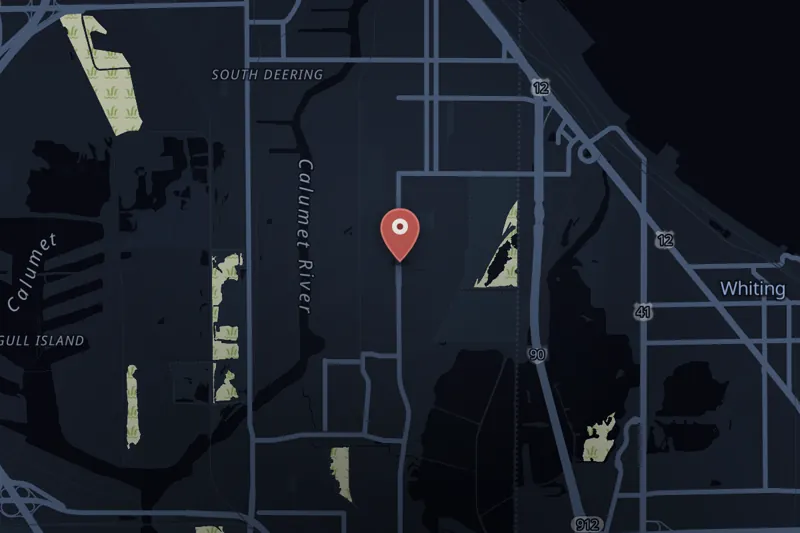
Near Republic Steel mill, South Chicago
Case status
unsolved

Case timeline

  1. 1937-05-30

    Chicago police shot at unarmed strikers, families, and sympathizers marching toward the Republic Steel mill; four people died that day.

  2. 1937-05-31

    Joseph Rothmund died of injuries sustained in the shooting.

  3. 1937-06-01

    Anthony Tagliori died of injuries sustained in the shooting.

  4. 1937-06-03

    Hilding Anderson died of injuries sustained in the shooting.

  5. 1937-06-08

    Otis Jones died of injuries sustained in the shooting.

  6. 1937-06-15

    Leo Francisco died of injuries sustained in the shooting.

  7. 1937-06-19

    Lee Tisdale died of injuries sustained in the shooting.

  8. 1967-05-30

    A memorial plaque listing the names of the ten victims was dedicated at the former United Steel Workers Local 1033 union hall, thirty years to the day after the massacre.

  9. 1981

    The Republic Steel Memorial Day Massacre Sculpture, created by former Republic Steel employee Edward Blazak, was dedicated.

  10. 2008

    The memorial sculpture was rededicated and relocated to 11659 South Avenue O.

Best coverage

No approved coverage links are attached yet.

People

  • Lee Tisdale

    VICTIM

    Age 50, of Chicago, Illinois; USW Local 1011; died June 19, 1937 from injuries sustained in the shooting.

  • Alfred Causey

    VICTIM

    Age 43, of Chicago, Illinois; USW Local 1010; killed May 30, 1937.

  • Sam Popovich

    VICTIM

    Age 45, of East Chicago, Indiana; USW Local 1010; killed May 30, 1937.

  • Kenneth Reed

    VICTIM

    Age 23, of East Chicago, Indiana; USW Local 1010; killed May 30, 1937.

  • Hilding Anderson

    VICTIM

    Age 27, of Burnham, Illinois; USW Local 65; died June 3, 1937 from injuries sustained in the shooting.

  • Joseph Rothmund

    VICTIM

    Age 48, of Chicago, Illinois; WPA worker; died May 31, 1937 from injuries sustained in the shooting.

  • Anthony Tagliori

    VICTIM

    Age 26, of Chicago, Illinois; USW Local 1033; died June 1, 1937 from injuries sustained in the shooting.

  • Leo Francisco

    VICTIM

    Age 17, of Chicago, Illinois; Western Union employee; died June 15, 1937 from injuries sustained in the shooting.

  • Earl Handley

    VICTIM

    Age 37, of East Chicago, Indiana; USW Local 1010; killed May 30, 1937.

  • Otis Jones

    VICTIM

    Age 33, of Lincoln, Illinois; USW Local 1033; died June 8, 1937 from injuries sustained in the shooting.

Roles reflect public records and court outcomes at the time of writing — supporting citations are on file under Sources.

Archival records

  • Senate Civil Liberties Hearing. Washington, D.C., July 2. The Senate Civil Liberties Committee played to a full house today as they screened the moves of the Memorial Day Chicago riot at the LCCN2016871947

    archival location

    Senate Civil Liberties Hearing. Washington, D.C., July 2. The Senate Civil Liberties Committee played to a full house today as they screened the moves of the Memorial Day Chicago riot at the LCCN2016871947

    Credit: Harris & Ewing, photographer · Public domain · Source

  • Chicago strike riot map. Washington, D.C., June 30. Luke Wilson, investigator for the Senate Civil Liberties Committee, points out for the benefit of the Committee and spectators the exact LCCN2016877933

    unclassified

    Chicago strike riot map. Washington, D.C., June 30. Luke Wilson, investigator for the Senate Civil Liberties Committee, points out for the benefit of the Committee and spectators the exact LCCN2016877933

    Credit: Harris & Ewing, photographer · Public domain · Source

  • Testimony of Chicago cop climaxes stormy session of Civil Liberties Committee. Washington D.C. July 1. Testimony of Sergt. Lawrence Lyons, Chicago police officer in charge of one of the LCCN2016871945

    unclassified

    Testimony of Chicago cop climaxes stormy session of Civil Liberties Committee. Washington D.C. July 1. Testimony of Sergt. Lawrence Lyons, Chicago police officer in charge of one of the LCCN2016871945

    Credit: Harris & Ewing, photographer · Public domain · Source

  • Victim of Chicago steel strike riot. Washington D.C. June 30. Attending today's hearing of the Senate Civil Liberties Committee, Harry Harper of Chicago, claims he was a vicitim of the LCCN2016871938

    unclassified

    Victim of Chicago steel strike riot. Washington D.C. June 30. Attending today's hearing of the Senate Civil Liberties Committee, Harry Harper of Chicago, claims he was a vicitim of the LCCN2016871938

    Credit: Harris & Ewing, photographer · Public domain · Source

  • George A. Patterson, C.I.O. Organizer from Chicago who testified before Civil Liberties Committee, Patterson was in charge of all strike for Memorial Day riots LCCN2016872173

    unclassified

    George A. Patterson, C.I.O. Organizer from Chicago who testified before Civil Liberties Committee, Patterson was in charge of all strike for Memorial Day riots LCCN2016872173

    Credit: Harris & Ewing, photographer · Public domain · Source

  • Chicago Police Commissioner defends men. Washington, D.C., June 30. Not-with-standing a coroner's report that seven of the fatalities resulted from bullet wounds in the back, James P. LCCN2016877932

    unclassified

    Chicago Police Commissioner defends men. Washington, D.C., June 30. Not-with-standing a coroner's report that seven of the fatalities resulted from bullet wounds in the back, James P. LCCN2016877932

    Credit: Harris & Ewing, photographer · Public domain · Source

  • In spotlight at civil liberties hearing. Washington, D.C., July 2. "We're going to keep this plant open whether you like it or not", Chicago Police told John B. Riffe, C.I.O. organizer, LCCN2016871946

    unclassified

    In spotlight at civil liberties hearing. Washington, D.C., July 2. "We're going to keep this plant open whether you like it or not", Chicago Police told John B. Riffe, C.I.O. organizer, LCCN2016871946

    Credit: Harris & Ewing, photographer · Public domain · Source

  • Newsreel cameraman describes Chicago strike riots to Senate Civil Liberties Committee. Washington, D.C., July 2. Orlando Lippert, cameraman for Paramount News, describing to the Senate Civil LCCN2016871948

    unclassified

    Newsreel cameraman describes Chicago strike riots to Senate Civil Liberties Committee. Washington, D.C., July 2. Orlando Lippert, cameraman for Paramount News, describing to the Senate Civil LCCN2016871948

    Credit: Harris & Ewing, photographer · Public domain · Source

  • Struck strikers in self-defense. Washington, D.C., Aug. 8. Lieut. Ira Q. Doverspike of Republic Steel police, testifying before the Senate Civil Liberties Committee today, admitted he drew LCCN2016873858

    unclassified

    Struck strikers in self-defense. Washington, D.C., Aug. 8. Lieut. Ira Q. Doverspike of Republic Steel police, testifying before the Senate Civil Liberties Committee today, admitted he drew LCCN2016873858

    Credit: Harris & Ewing, photographer · Public domain · Source

Places

Common questions

What happened to the victim?
On May 30, 1937, Chicago police shot and killed ten unarmed striking steelworkers and supporters marching toward the Republic Steel mill during the Little Steel strike; no officers were ever prosecuted.
Where did the massacre happen?
Near Republic Steel mill, South Chicago.
What is the current status of the case?
Status: unsolved.

Sources

  1. 1937 Memorial Day massacrewikipedia · Wikipedia · 2026-07-07
  2. Contemporaneous coverage — jacobinmag.comnews · jacobinmag.com · 2026-07-07
  3. Contemporaneous coverage — usw.orgnews · usw.org · 2026-07-07