
Unsolved case
1947 anti-Jewish riots in Aleppo
In December 1947, days after the UN vote to partition British Palestine, mobs in Aleppo, Syria attacked the city's Jewish community, killing an estimated 75 people, wounding several hundred, and destroying synagogues, schools, homes and businesses.
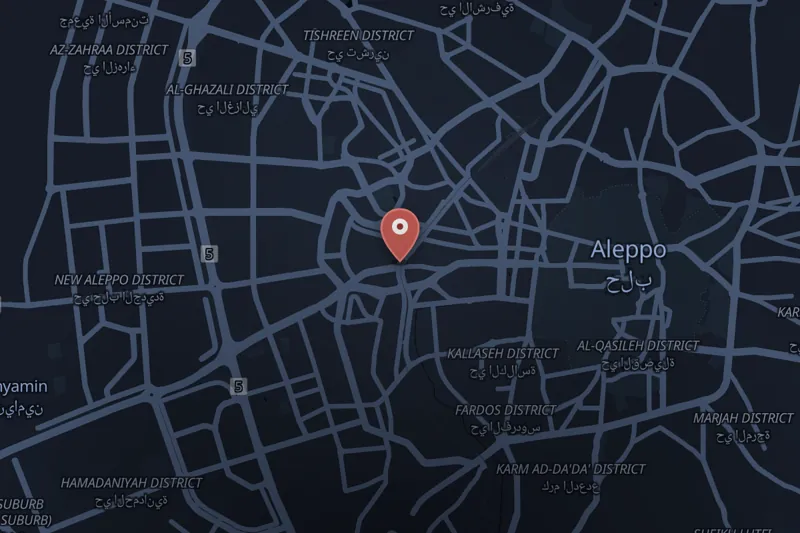
In late 1947, following the United Nations vote on November 29 in favor of partitioning British Palestine, anti-Jewish violence broke out across parts of the Middle East and North Africa. In Aleppo, Syria, a mob attack on the city's Jewish population began on December 1, 1947, two days after the UN vote. At the time, Aleppo's Jewish community numbered around 10,000 people and had a history in the city spanning roughly two thousand years.
According to accounts cited in the historical record, Syria had gained independence from France in April 1946, after which the new Syrian government began measures affecting the Jewish minority, including dismissing Jewish clerks from the former French bureaucracy and undermining Jewish-owned businesses. On November 30, 1947, the Syrian government closed the city and ordered residents to remain in their homes, which prevented violence that day. However, on December 1, the government is described as having abetted and organized Arab residents of Aleppo to attack the Jewish population.
Estimates of the death toll vary but are commonly put at around 75 people killed, with several hundred more wounded. Historian Yaron Harel has written that extensive looting and property damage occurred, but that soldiers and police "prevented the mob from injuring and murdering Jews," while researcher Jacob Freid's estimate of about 75 killed and several hundred wounded is also cited. Ten synagogues, five schools, an orphanage, a youth club, numerous Jewish shops, and roughly 150 houses were burned or destroyed, with property damage estimated at approximately US$2.5 million.
A notable episode of destruction occurred at the Central Synagogue of Aleppo. Syrian soldiers were stationed there early on December 1, nominally to protect the building. Jewish community leaders met with Aleppo's mayor, who pledged protection, though this assurance was met with skepticism. In the afternoon, a crowd gathered outside the synagogue chanting anti-Jewish slogans, and by late afternoon the crowd attacked, with some of the soldiers originally posted to guard the site joining the mob. Torah scrolls, ceremonial arks (Hekhalot), and tefillin were destroyed and burned; firefighters who arrived reportedly added kerosene and diesel to the flames rather than extinguishing them. The crowd then moved on to attack and burn Jewish homes, and rioting continued until the following morning, when Syrian authorities brought it to an end.
During the unrest, the Aleppo Codex, a medieval manuscript of the Hebrew Bible, went missing and was feared destroyed; it later resurfaced in Israel in 1958 with about 40 percent of its pages missing.
In the aftermath, roughly half of Aleppo's Jewish population fled the city. Wealthier Jewish residents left within a day of the riots, with many others departing in smaller groups over subsequent months. On December 22, 1947, the Syrian government enacted a law forbidding Jews from selling their property. As of 2012, no Jewish residents remained in Aleppo.
Key facts
- Victims
- Rahmo Nehmad, Siahu Shamah
- Date
- 1947
- Location
- Aleppo, Syria
- Case status
- unsolved
Case timeline
1946-04
Syria gains independence from France; new government begins measures affecting the Jewish minority, including dismissals of Jewish clerks and pressure on Jewish businesses.
1947-11-29
United Nations votes in favor of partitioning British Palestine.
1947-11-30
Syrian government closes the city of Aleppo and orders residents to stay home, preventing violence that day.
1947-12-01
Mob attacks begin against Aleppo's Jewish population; the Central Synagogue is attacked, Torah scrolls and religious items burned, and Jewish homes and businesses set ablaze.
1947-12-02
Rioting continues into the morning before Syrian authorities bring it to an end.
1947-12-22
Syrian government enacts a law forbidding Jews from selling their property.
1958
The Aleppo Codex, missing since the riots, reappears in Israel with about 40 percent of its pages lost.
Best coverage
No coverage has been attached to this file yet.
People
Rahmo Nehmad
VICTIMJewish community leader in Aleppo who met with the city's mayor seeking protection during the riots
Siahu Shamah
VICTIMJewish community leader in Aleppo who met with the city's mayor seeking protection during the riots and doubted the mayor's assurances
Roles reflect public records and court outcomes at the time of writing — supporting citations are on file under Sources.
Places
Common questions
- What happened to the victim?
- In December 1947, days after the UN vote to partition British Palestine, mobs in Aleppo, Syria attacked the city's Jewish community, killing an estimated 75 people, wounding several hundred, and destroying synagogues, schools, homes and businesses.
- Where did the crime happen?
- Aleppo, Syria.
- What is the current status of the case?
- Status: unsolved.
Related cases
View all cases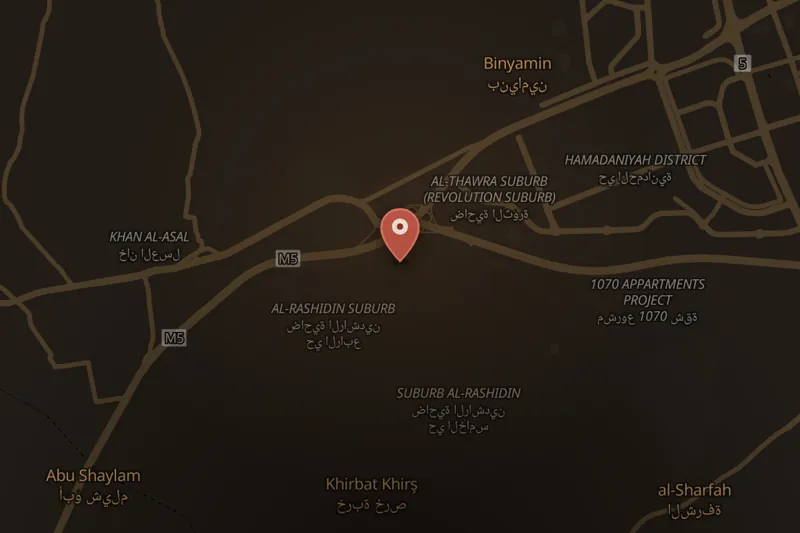
2017 Aleppo suicide car bombing
Al-Rashideen neighbourhood, western Aleppo, Syria
2024 Azaz bombing
Azaz, Syria
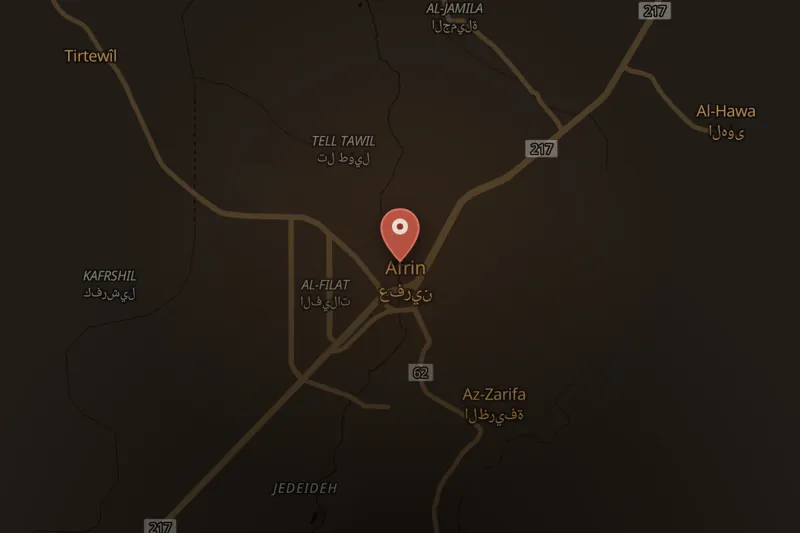
2020 Afrin bombing
Afrin, Aleppo Governorate, Syria

Death of Abu Bakr al-Baghdadi
Compound near Barisha, Idlib Governorate, Syria

Ghouta Chemical Attack
Ghouta, Damascus, Syria
2019 Manbij bombing
Manbij, Syria
Sources
- ENCYCLOPEDIC1947 anti-Jewish riots in AleppoWikipedia · 2026-07-10
- PRESSContemporaneous coverage — The New York TimesThe New York Times · 2026-07-10
- PRESSContemporaneous coverage — timesofisrael.comtimesofisrael.com · 2026-07-10
Record history
- First published
- JUL 11, 2026
When a file you follow changes — a new development, a correction, fresh coverage — the Dispatch is how you hear about it.
The Casepin Dispatch
A calm weekly briefing from the archive — one case worth understanding, meaningful updates to files you follow, and the best new coverage. You’ll also get the one-time note when the apps land. No gore, no rumor, no drip.