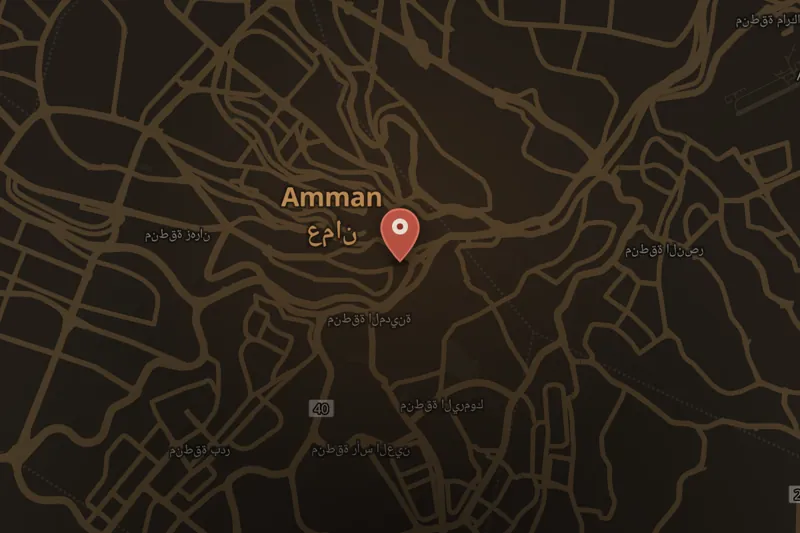
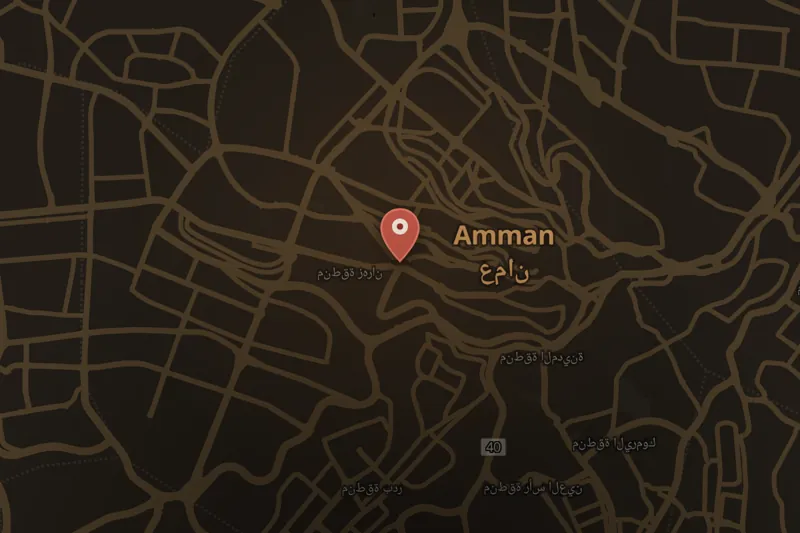
On the evening of 9 November 2005, three coordinated suicide bomb attacks struck hotel lobbies in Amman, Jordan, beginning at around 20:50 local time at the Grand Hyatt Hotel. The other targets were the Radisson SAS Hotel and the Days Inn, all venues known to be frequented by foreign diplomats. The attacks killed 57 people and injured 115 others, according to revised Jordanian government figures, after an initial higher toll was announced and later corrected.
At the Radisson SAS, two suicide bombers — a married couple, Ali Hussein Ali al-Shamari and Sajida Mubarak Atrous al-Rishawi — entered the Philadelphia Ballroom, where a wedding attended by around 900 Jordanian and Palestinian guests was underway. Al-Rishawi's explosive belt failed to detonate; she left the room, and al-Shamari then detonated his own explosives, killing 38 people, including the fathers of both the bride and groom. The blast destroyed the ballroom and caused extensive damage to the hotel lobby.
At the Grand Hyatt, roughly 500 yards away, a bomber detonated his device after briefly leaving the hotel's coffee shop, killing seven hotel employees along with Syrian-American film producer Moustapha Akkad and his daughter Rima. At the Days Inn, a bomber struggled to detonate his belt inside the restaurant, fled outside after being noticed by a waiter, and then detonated himself, killing three members of a Chinese military delegation.
Victims included 36 Jordanians (mostly wedding guests), six Iraqis, five Palestinians, four Americans, two Palestinian citizens of Israel, two Bahrainis, three Chinese military delegates, one Saudi national, and one Indonesian citizen. Among the Palestinian dead were several senior officials, including a West Bank military intelligence chief and a Preventive Security official.
Jordanian authorities identified three dead suicide bombers — Ali Hussein Ali al-Shamari, Rawad Jassem Mohammed Abed, and Safaa Mohammed Ali — all identified as Iraqi nationals. On 13 November 2005, King Abdullah announced the arrest of Sajida Mubarak Atrous al-Rishawi, the surviving would-be bomber, whose belt had failed to detonate at the Radisson. Jordanian officials stated she was the sister of a close aide to Abu Musab al-Zarqawi, leader of Al-Qaeda in Iraq, which claimed responsibility for the attacks. Al-Rishawi was executed in February 2015, in response to the killing of a Jordanian air force pilot by ISIL.
The bombings prompted a domestic outpouring of anger in Jordan, including public protests, and drew international condemnation from the United Nations and the United States, among others. Jordan's government pledged new anti-terrorism measures following the attacks.


 SOLVEDListen