On the morning of April 2, 2012, at approximately 10:30 a.m., a gunman entered Oikos University, a small Korean Christian college located in the Airport Business Park area of East Oakland, California, near Oakland International Airport. He stood up in a nursing classroom during a session, ordered the students to line up against a wall, and opened fire with a .45-caliber semi-automatic handgun loaded with four 10-round magazines. A witness reported the gunman said, "Get in line ... I'm going to kill you all!" before shooting. Six students and a receptionist were killed, and three other people were injured; six of the seven fatalities were women. The shooter continued firing as he fled the campus in a vehicle belonging to one of the victims. He reportedly used most of the 40 rounds he had brought. Hours later, he surrendered to police at a Safeway supermarket in the South Shore area of Alameda, about five miles from the shooting scene. It is described as the deadliest mass killing in Oakland's history.
The suspect was identified as One L. Goh, born Su Nam Ko, a 43-year-old former Oikos University student who had been living in Oakland. Goh, a South Korean native naturalized as a U.S. citizen in 2000, had previously lived in Virginia before moving to the San Francisco Bay Area. According to Oakland Police Chief Howard Jordan, Goh had disciplinary problems at Oikos and had been asked to leave a few months before the shooting; he was reportedly angry after being denied a pro-rated tuition refund by a school administrator. Jordan said Goh went to the school intending to find that administrator, but upon learning she was not present, opened fire on other people. School officials later said Goh had not been formally expelled.
Goh was arraigned on April 4, 2012, and charged with seven counts of murder and three counts of attempted murder. He initially did not enter a plea, and later pleaded not guilty on April 30, 2012. Court-appointed psychiatrists determined Goh had suffered from paranoid schizophrenia for years, and in January 2013 a judge ruled him mentally unfit to stand trial, ordering psychiatric treatment with periodic competency reviews. In August 2014, an Alameda County grand jury indicted Goh on the same charges, though he remained assessed as incompetent for trial as of September 2014. In December 2015, Goh reportedly expressed a wish for the death penalty, though it was unclear whether this reflected genuine remorse or ongoing delusions.
In May 2017, Goh entered a plea of no contest to the charges. On July 14, 2017, he was sentenced to seven consecutive life sentences plus 271 years in prison, without the possibility of parole. Goh died in custody at California State Prison-Sacramento on March 20, 2019; as of April 9, 2019, the cause of death had not been publicly released by the Sacramento County coroner's office.


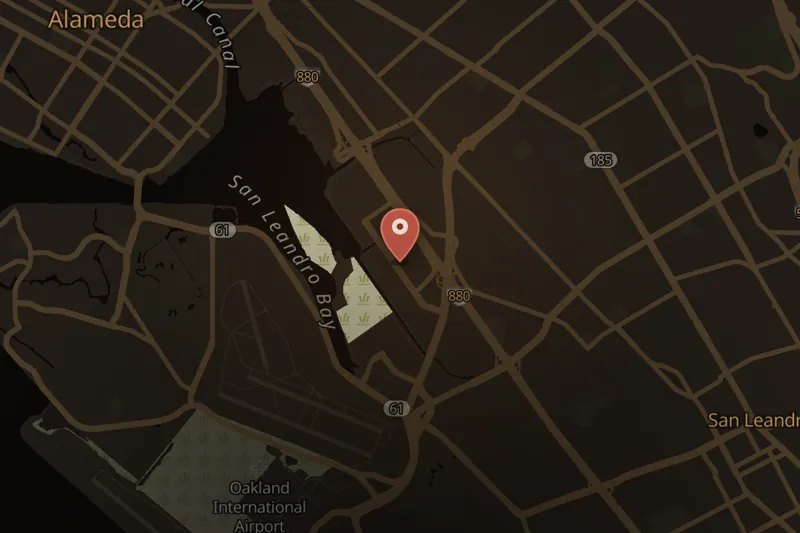
 Image recordEditorial useSourceSOLVEDListen