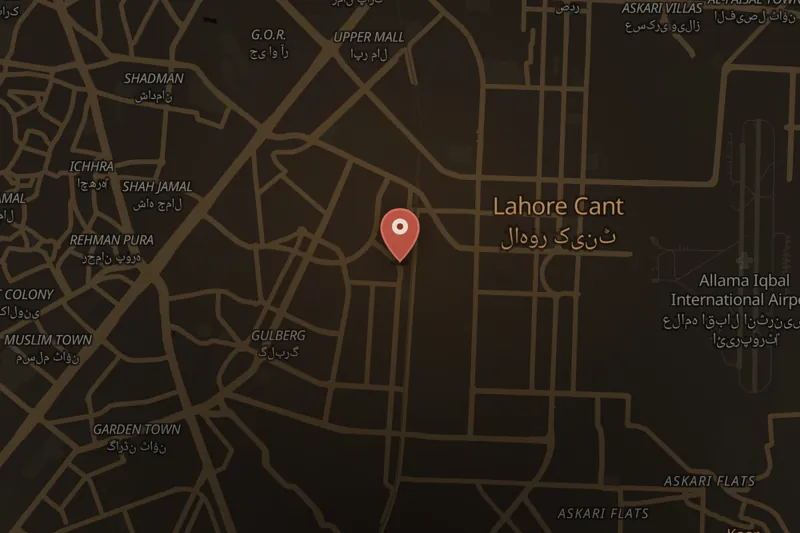
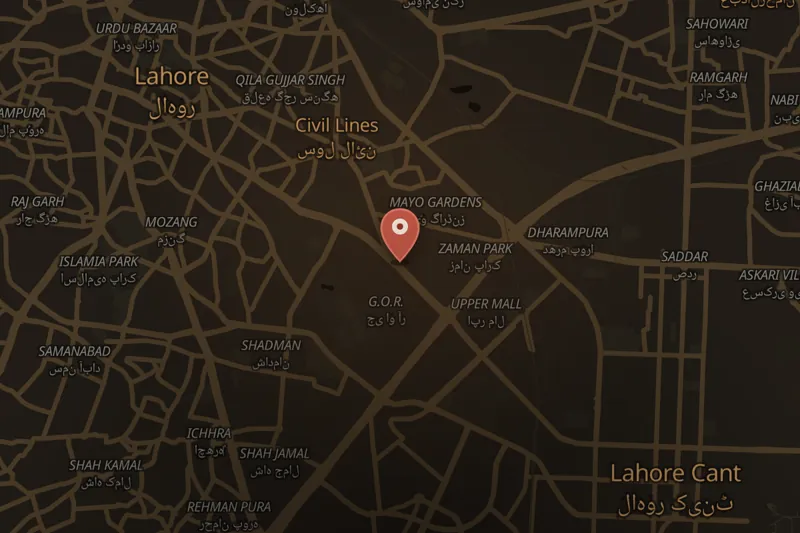
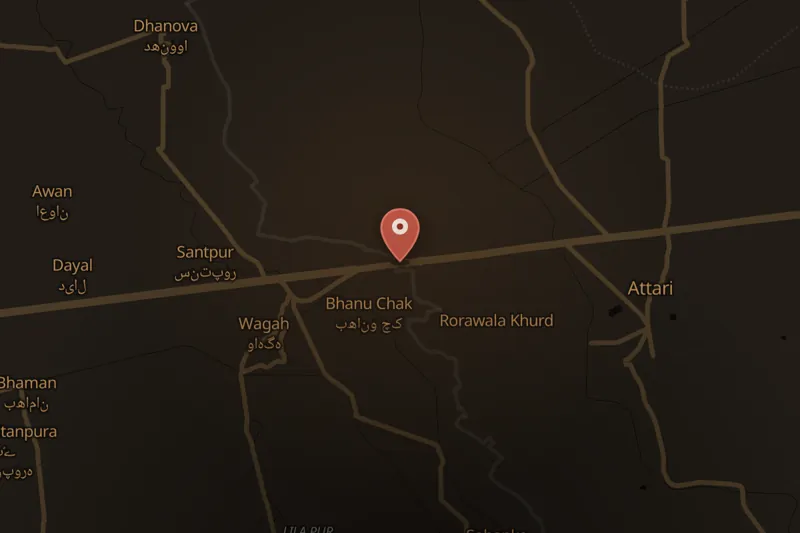
On 2 November 2014, a suicide bombing occurred at the Wagah border in Pakistan shortly after the daily ceremonial border-closing ceremony between India and Pakistan, an event that regularly draws tourists seated on both sides of the border. The blast took place outside a restaurant in a parking area near a checkpoint staffed by Pakistani paramilitary soldiers, roughly 600 metres from the parade venue itself. Director General Rangers Punjab Khan Tahir Khan stated that the bomber detonated the device at that distance because strict security checks prevented him from reaching the more crowded stands. Up to 25 kg of explosive material was reportedly used. Preliminary reports had suggested a gas cylinder explosion before officials confirmed it was a suicide attack.
At least 60 people were killed and more than 100 injured, including 10 women and eight children; eight members of a single family died in the blast. The Punjab government declared a state of emergency in all public-sector hospitals in Lahore in response. Security personnel subsequently conducted search operations in areas adjoining the Wagah crossing, recovering and defusing explosives and suicide vests after intelligence agencies received information about a "suspicious person" in the area.
According to an unnamed official cited in reporting, American and Pakistani intelligence communities had prior warning of a possible attack at Wagah, including information about a missing young boy who might be used as a would-be suicide bomber. Commissioner of Police Captain (retired) Amin Waince said CID police had conveyed a threat warning to the Rangers at Wagah on 1 November, the day before the attack.
Responsibility for the bombing was claimed separately by three groups: the outlawed Jundallah, the Pakistani Taliban (TTP), and the TTP breakaway faction Jamaat-ul-Ahrar. A TTP spokesman, Ahmed Marwat, said the attack was in reaction to the Operation Zarb-e-Azb and Waziristan military operations. Jamaat-ul-Ahrar spokesman Ehsanullah Ehsan told Dawn by telephone from Afghanistan that the attack was carried out by one of the group's members and described other groups' claims as "baseless," framing the attack as revenge for killings in North Waziristan. Ehsan later identified the alleged bomber as a 25-year-old man known as Hanifullah, alias Hamza.
Pakistani authorities identified a man referred to as Rahooullah (also called Roohullah, alias Asadullah), described as a senior TTP Lahore chapter operative, as the attack's mastermind. On the night of 9 January 2015, Pakistan's Federal Investigation Agency (FIA) counterterrorism wing, aided by Punjab Police, raided a house in Lahore. Following a reported two-hour gun battle, Rahooullah was killed along with three associates; Pakistani government officials confirmed the account of the encounter.
The attack drew international condemnation, including from Indian Prime Minister Narendra Modi, US Ambassador to Pakistan Richard Olson, and UN Secretary-General Ban Ki-moon. The Indian government called for suspension of the daily border ceremony for at least three days.


 SOLVEDListen