Overview
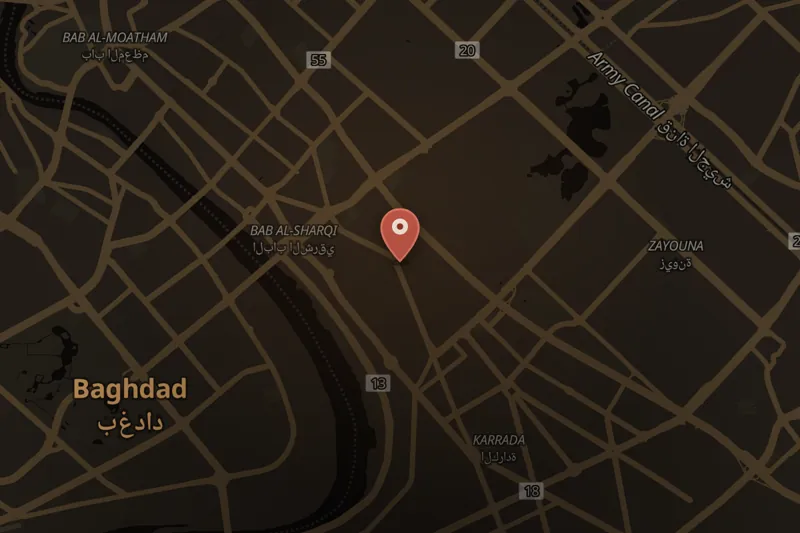
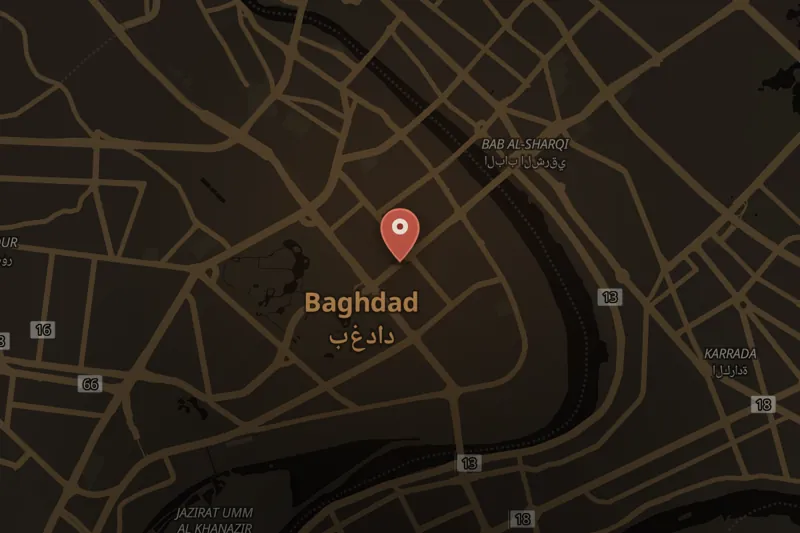
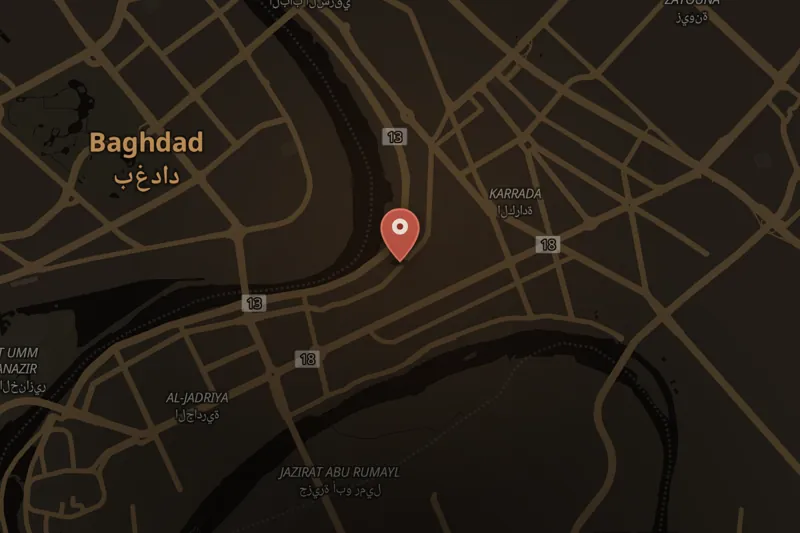
In the early hours of 3 July 2016 (shortly after midnight local time, with the attack beginning around 21:00 UTC on 2 July), a suicide truck bomb exploded in the Karrada district of Baghdad, a mainly Shia neighborhood that was crowded with late-night shoppers and people breaking their Ramadan fast. The bomb was reportedly concealed inside a refrigerator truck. The blast ignited a large fire that spread through nearby shopping centers, which lacked emergency exits, trapping many victims inside. A separate roadside bomb detonated around the same time in the Sha'ab neighborhood of northern Baghdad, killing at least five people and injuring 16. Two additional, smaller bombings also occurred in Baghdad that night, in Abu Ghraib District and in al-Latifiya, each killing one person.
Casualties
The Iraqi Ministry of Defence initially reported at least 167 killed and over 180 injured; the toll rose as further bodies were recovered from the rubble in the days following. Overall figures cited for the Karrada bombing state at least 324 people killed and at least 223 injured, with reports noting many victims were children. The general manager of the Rusafa Health Directorate stated that hospitals received 138 wounded and 70 dead, with fifty bodies burned beyond recognition and samples sent for DNA testing. In a 2021 interview, Iraq's Minister of Defence at the time of the bombing claimed the true death toll was 1,000, disputing lower figures.
Responsibility and Aftermath
The Islamic State (IS) claimed responsibility for the Karrada attack, stating it deliberately targeted Shia Muslims and naming the suicide bomber as Abu Maha al-Iraqi. Analysts linked the bombing to IS's recent loss of Fallujah, viewing it as retaliation or an attempt to distract Iraqi security forces. The attack followed other IS-linked mass-casualty attacks that week in Istanbul and Dhaka, amid IS calls for increased attacks during Ramadan.
In the aftermath, Iraqi Prime Minister Haider al-Abadi visited the bombing site and faced angry crowds; Interior Minister Mohammed Al-Ghabban resigned days later, citing a "fundamentally flawed" security system. Several security officials were removed from their posts. Five convicts were executed and 40 suspected jihadists were arrested in the immediate aftermath.
On 18 October 2021, Iraqi Prime Minister Mustafa Al-Kadhimi announced the arrest of Ghazwan al-Zawbaee, described as the man behind the bombing. On 28 August 2023, the Iraqi government announced that three members of IS, including al-Zawbaee, had been executed by hanging for the attack.
Reactions
Domestically, Iraq's Association of Muslim Scholars condemned the bombing, and a representative of Grand Ayatollah Ali al-Sistani visited the site. Internationally, New Zealand's Sky Tower was illuminated in the colors of the Iraqi flag on 6 July to honor victims, following advocacy from a member of Auckland's Iraqi community.

 Credit: Birdshot at English WikipediaPublic domainSourceUNSOLVEDListen