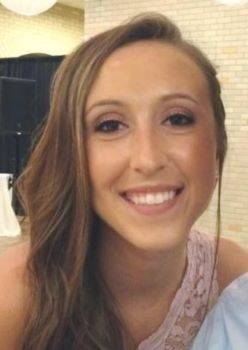
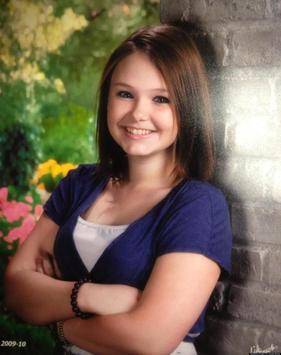
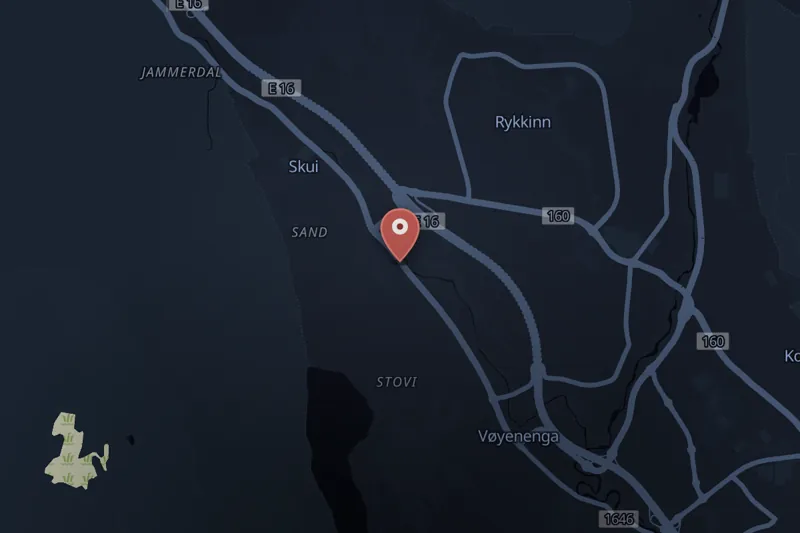
On 10 August 2019, Philip Manshaus, a 21-year-old Norwegian resident of Bærum, murdered his 17-year-old adopted sister Johanne Zhangjia Ihle-Hansen in their family home, shooting her three times in the chest and once in the head. He then drove to the Al-Noor Islamic Centre, about 20 kilometres west of Oslo, and shot his way through the mosque's glass door before opening fire. He hit no one, as prayer had already ended and only three elderly worshippers remained inside. He was subdued in a scuffle by Mohammad Rafiq, Mohamed Iqbal, and Irfan Mushtaq, and turned over to police.
Manshaus had become radicalized beginning in 2017, engaging with antisemitic conspiracy theories, neo-Nazi materials, and far-right imageboards. A 2018 tip to Norway's domestic intelligence service (PST) about his far-right views was not followed up, as it was judged vague and lacking signs of a planned violent attack. He was deeply affected after reading the manifesto of Brenton Tarrant, perpetrator of the March 2019 Christchurch mosque shootings, on 2 August 2019, which he described as a "call" to action. He killed Ihle-Hansen because she was not white, believing her survival would make their parents "race traitors" amid what he saw as an imminent race war; the mosque attack was intended to intimidate immigrants and kill "as many non whites as possible." He attempted, and failed, to livestream the mosque shooting.
Manshaus was indicted for murder and terrorism, formally charged on 17 February 2020, and denied the charges at trial in May 2020. He showed no remorse, stating he regretted not causing more damage, and accused judges of complicity in "the genocide of the European people." His defense attorney argued he was criminally insane, against his wishes, but forensic psychiatrists disagreed. On 11 June 2020, Manshaus was convicted of murder and terrorism and sentenced to 21 years preventative detention, an indefinitely extendable sentence under Norwegian law. He was also ordered to pay compensation and legal fees to the victims' families.
The case was reopened in March 2024 after Manshaus's lawyer petitioned the Criminal Cases Review Commission, following his admission to a psychiatric ward with severe psychosis in 2023. Experts assessed that he had likely been psychotic since as early as 2017, including at the time of the crime, and that this information, had it been known, would likely have resulted in a sentence of compulsory mental health care rather than imprisonment. The victims' counsel opposed reopening the case, arguing political extremism should not be treated as mental illness. In October 2025, following retrial, Manshaus was unanimously resentenced to 21 years in prison without extended preventative detention, with the court citing his abandonment of far-right extremism and lack of prior violent convictions.
The attack prompted debate in Norway over right-wing extremism, Islamophobia, and policing response times, as well as increased attention to the status of international adoptees. Manshaus was later referenced by the perpetrator of the 2022 Buffalo, New York shooting, and a 2025 killing in Oslo was reportedly motivated in part by admiration for Manshaus, among others.


 SOLVEDListen