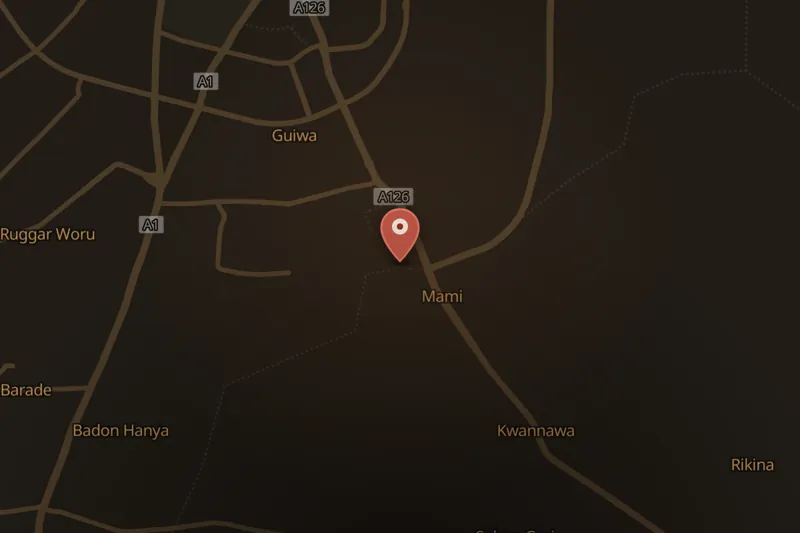
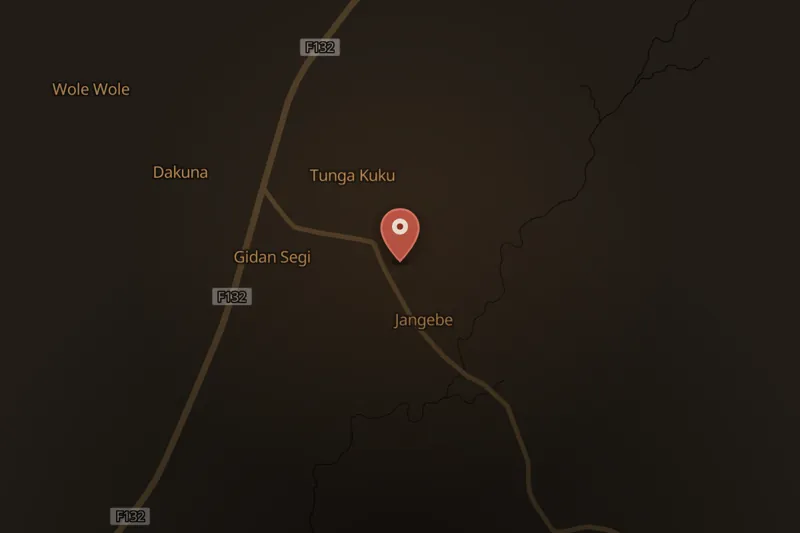
Between 4 and 6 January 2022, bandit gunmen carried out a series of massacres in Zamfara State, Nigeria, killing more than 200 people according to some accounts. The attacks occurred against the backdrop of Nigeria's long-running bandit conflict, active since 2011 and linked to farmer-herder tensions and the Boko Haram insurgency. Zamfara had already seen major violence in 2021, including the kidnapping of 279 schoolgirls in Jangebe and the killing of over 50 villagers in Zurmi.
The immediate trigger appears linked to government airstrikes on 3 January 2022 that killed over 100 bandits and destroyed bases, reportedly pushing bandit groups into the affected region where they carried out reprisal attacks. A raid on a herd of 3,000 cattle led to a confrontation between bandits and local vigilantes; the vigilantes were defeated, after which killings of villagers began. Starting around 12:45 pm on 4 January, gunmen on motorcycles — estimated between 300 and 500 in number — entered the town of Kurfar Danya and then attacked further villages in the Anka and Bukkuyum local government areas, shooting residents and burning homes. Towns including Kurfa and Rafin-Gero were besieged for two days without government intervention, and five settlements were destroyed. The violence ended on 6 January when military forces intercepted the attackers.
Death toll estimates varied widely and were disputed. Zamfara State authorities put the toll at 58, a figure described as controversial. Some internally displaced people cited a toll of 154, while a spokesperson for the minister of humanitarian affairs and local residents said more than 200 bodies had been buried. Among those killed was Gambo Abare, a prominent leader of anti-bandit vigilante groups.
The massacres displaced more than 10,000 people and destroyed five settlements, with an estimated 2,000 cattle stolen. Nigerian authorities organized mass burials, and as of 10 January many people remained missing. Bandit attacks continued afterward, including an abduction of twelve people in Yar Kuka on 10 January, the kidnapping of six women in Kadauri on 11 January, and a separate killing of 51 civilians from Plateau and Niger States around the same time. Zamfara Governor Bello Matawalle described the security situation as an "existential threat" and called for greater federal involvement.
The killings drew condemnation from Nigerian President Muhammadu Buhari, political figures, and organizations including the Nigeria Labour Congress and the All Progressives Congress. International reactions included statements from Turkey's foreign ministry, UN Secretary-General António Guterres, the Organization of Islamic Cooperation, and Egypt's foreign ministry, all condemning the attacks and expressing condolences.


 SOLVEDListen