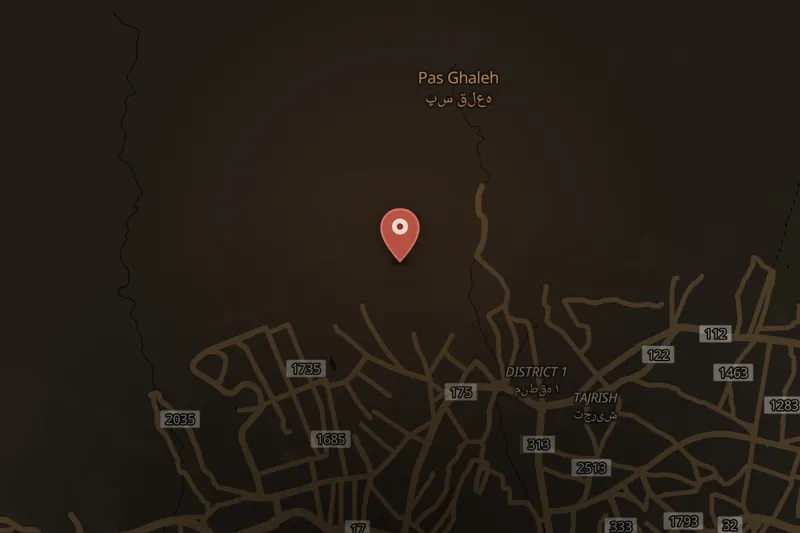
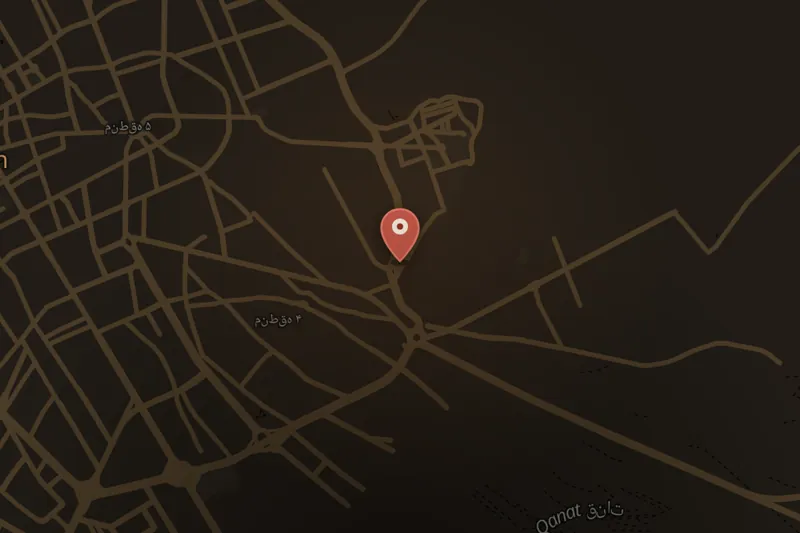
On 3 January 2024, two bomb explosions struck a crowd gathered near Qasem Soleimani's grave at the Golzar Shohada cemetery in Kerman, Iran, during a ceremony marking the fourth anniversary of his death. The first blast occurred roughly 700 metres from the grave near a parking lot; a second explosion followed 10 to 20 minutes later about one kilometre away on Shohada Street, where many people had fled after the first blast. Most casualties are believed to have resulted from the second explosion. At least 94 people were killed and at least 284 injured, 27 critically; the dead included 23 students, 14 Afghan nationals, and three paramedics who had responded to the first blast and were caught in the second. Early Iranian reports put the toll as high as 103 before it was revised.
The Iranian government declared the bombings a terrorist attack, described as the deadliest in the country since the 1978 Cinema Rex fire. On 4 January, the Islamic State claimed responsibility via a Telegram statement and later released images through its Amaq news outlet purporting to show two masked brothers who carried out the attack as suicide bombers. According to Reuters, the U.S. Intelligence Community concluded the attack was carried out by ISIS-Khorasan Province, the group's Afghanistan-based branch. U.S. officials said Washington had privately warned Iran in advance, under its "duty to warn" policy, of intelligence indicating a planned Islamic State attack, and that the warning contained enough detail about location to potentially help thwart or mitigate the bombing; Iran was nonetheless unable to prevent the attack.
Iranian officials, including President Ebrahim Raisi, Vice President Mohammad Mokhber, and IRGC figures, initially and subsequently suggested Israeli or U.S. involvement, which the United States rejected as "ridiculous" and which Israel did not directly address, saying it was focused on the conflict with Hamas. The Iranian Ministry of Intelligence said the plot was masterminded by a Tajikistani national using the alias Abdollah Tajiki, who allegedly entered Iran illegally in December 2023, built the bombs, and left the country before the attack, and identified one bomber as a 24-year-old Tajikistani national surnamed Bozrov who had trained with the Islamic State in Afghanistan. Authorities arrested two people suspected of aiding the bombers and, in total, said 35 people believed connected to the attack had been arrested. On 13 July 2024, Iran's Ministry of Intelligence announced the detention of a man it identified as Abdullah Quetta, described as one of the "ring leaders and main plotters" of the attack.
The bombings occurred amid heightened regional tensions following the Gaza war, including an Israeli strike that killed a Hamas deputy leader in Lebanon days earlier and the killing of an Iranian general in Syria a week prior. In response, Iran ordered new border walls with Afghanistan and Pakistan and, on 15–16 January 2024, launched missile strikes on targets in Iraq, Syria, and Pakistan that it described as retaliation connected to the bombing.


 Credit: JavvidanCC BY 4.0SourceUNSOLVEDListen