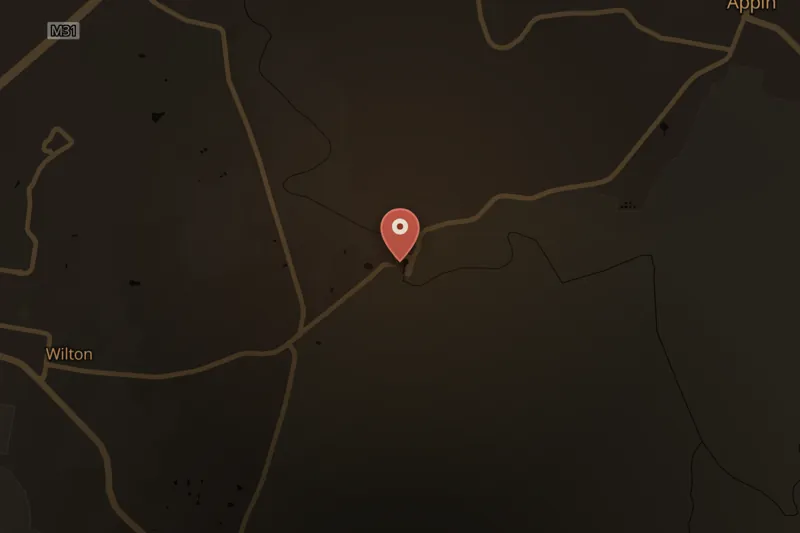
The Appin massacre occurred on 17 April 1816 in the Appin area of South Western Sydney, New South Wales, during the Hawkesbury and Nepean Wars between British colonists and the Dharug, Dharawal and Gandangara (Gundungurra) peoples. From 1815, colonial expansion into the Cumberland Plain and beyond intensified conflict over land along the Nepean, Hawkesbury and Cataract rivers, exacerbated by drought and violent clashes in which settlers were killed.
Following an ambush at Silverdale in March 1816 in which four settlers died, Governor Lachlan Macquarie ordered a punitive military expedition to "inflict exemplary and severe punishment on the mountain tribes" and "clear the country of them entirely." Three detachments of the 46th Regiment were dispatched, with Captain James Wallis commanding a group of grenadiers assigned to the Appin area. Macquarie's written instructions called for offering Aboriginal people the chance to surrender as "prisoners of war" and for preserving the lives of women and children, with the killing of resisters and display of their bodies intended as a warning.
In the early hours of 17 April 1816, around 1 am, a separate detachment attacked a Dharawal encampment near Cataract Gorge (Broughton Pass), killing at least 16 people by gunfire, with others driven to fall from the gorge's cliffs. Around the same time, Wallis led his group of 37 grenadiers and officers in a surprise attack on another camp near the Cataract River. At least 14 Aboriginal people, mostly old men, women and children, were killed by gunshot or by falling from cliffs while fleeing. Among the dead were Gandangara leaders Cannabaygal, shot five times, and Dunnell. Wallis took two women and three children prisoner. In violation of the instructions to seek surrender first, Wallis's attack was carried out without acknowledged resistance or an offer of surrender, according to his own report.
Following Macquarie's orders, the bodies of Cannabaygal and Dunnell were hanged from trees near Appin to instill terror in survivors. The troops decapitated the bodies and returned to Sydney with the heads and surviving captives on 4 May 1816. Some survivors were sent to the Blacktown Native Institution. Cannabaygal's skull was later sent to the University of Edinburgh, where it was used in a phrenology publication.
Macquarie praised Wallis for acting in conformity with his instructions and rewarded him with fifteen gallons of rum, later appointing him commandant and magistrate at Newcastle. Macquarie reported to Colonial Secretary Earl Bathurst that the deaths were "unavoidable," despite Wallis not having reported any resistance. The massacre led to the displacement of surviving Aboriginal people and to new colonial regulations restricting Aboriginal movement and assembly.
In contemporary times, remains of victims are held at the National Museum of Australia. A memorial was installed at Cataract Dam in 2007, and the massacre site was added to the New South Wales State Heritage Register in 2022.


 SOLVEDListen


