Casepin
Back to cases

Case file

Assassination of James A. Garfield

B&PStation1908
B&PStation1908 — Credit: Unknown authorUnknown author · Public domain

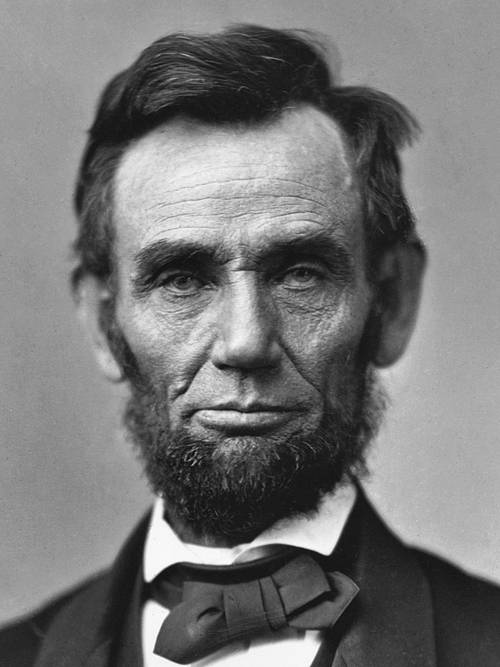
On the morning of July 2, 1881, President James A. Garfield was shot at the Baltimore and Potomac Railroad Station in Washington, D.C., less than four months into his presidency. The shooter, Charles J. Guiteau, was a disappointed and delusional office seeker who believed a campaign speech he had written and distributed entitled Garfield to a diplomatic post. After months of unsuccessful attempts to obtain such an appointment, and after being told by Secretary of State James G. Blaine never to raise the matter again, Guiteau purchased a revolver, stalked the President for weeks, and concluded he had been divinely commanded to kill him.

Guiteau shot Garfield twice from behind as the President entered the station's waiting room; one bullet grazed Garfield's shoulder and the other lodged behind his pancreas. Guiteau was apprehended at the scene by police officer Patrick Kearney and declared, "I am a Stalwart, and want Arthur for President," referencing the Republican factional rivalry between the Stalwarts and Half-Breeds.

Garfield was carried to the White House, where he was treated over the following weeks by physicians who repeatedly probed his wound with unwashed fingers and instruments in unsuccessful attempts to locate the bullet, likely worsening his condition. Inventor Alexander Graham Bell devised a metal detector to try to locate the bullet, but the effort was hampered by Garfield's metal bedframe and by the chief physician's insistence on searching only the wrong side of the body. Garfield's condition fluctuated over the summer as sepsis and infection set in, and his weight dropped substantially. On September 6, 1881, he was moved by train to a seaside cottage in Elberon, New Jersey, in hopes that the change of air might aid his recovery. He died there of a ruptured splenic artery aneurysm, following sepsis and bronchial pneumonia, at 10:35 p.m. on September 19, 1881. He was succeeded by Vice President Chester A. Arthur, who took the oath of office early the next morning.

Guiteau went to trial in November 1881, representing himself alongside his brother-in-law as counsel. The trial was one of the earliest high-profile American cases to consider an insanity defense; Guiteau argued that killing Garfield had been divinely ordained, while also, at times, arguing that malpractice rather than his shooting had caused death. The jury rejected the insanity defense and convicted him of Garfield's murder on January 25, 1882. His appeal was denied, and he was executed by hanging at the District of Columbia jail on June 30, 1882.

Garfield's assassination and prolonged medical ordeal contributed to the passage of the Pendleton Civil Service Reform Act in January 1883. It also exposed gaps in constitutional procedure regarding presidential incapacity, an issue not formally addressed until ratification of the Twenty-fifth Amendment in 1967. The lack of any security detail protecting Garfield, consistent with practice for most presidents of the era, was later cited as a factor in the eventual creation of Secret Service presidential protection following the 1901 assassination of William McKinley.

Key facts

Victims
James A. Garfield
Date
1881
Location
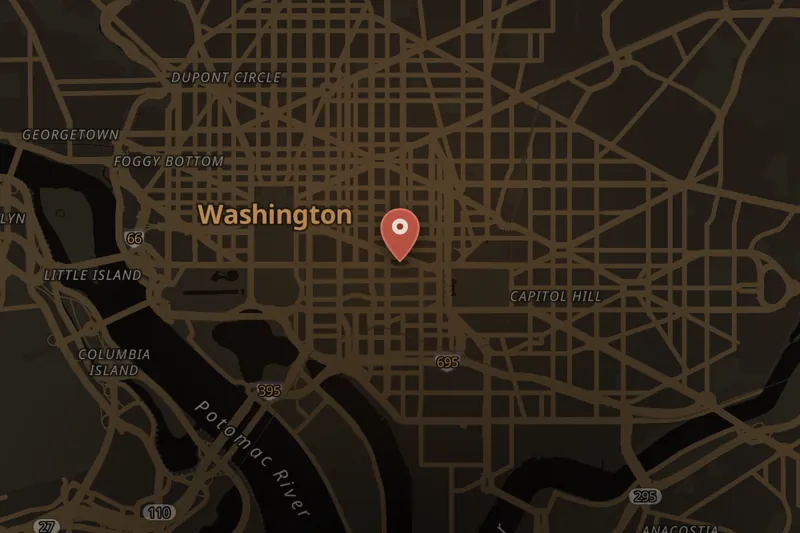
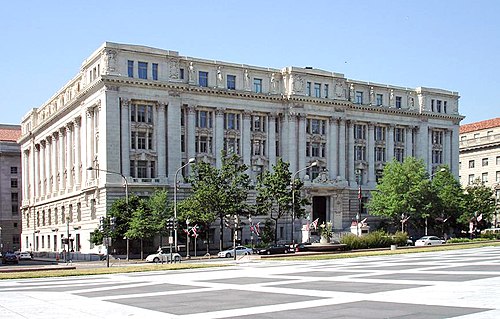
Site of the former Baltimore and Potomac Railroad Station, Washington, D.C.
Case status
solved

Case timeline

  1. 1880

    Charles J. Guiteau authors a campaign speech supporting James A. Garfield's presidential candidacy and distributes copies, believing it contributed to Garfield's election.

  2. 1881-03-05

    Guiteau arrives in Washington, D.C., seeking a diplomatic appointment from the new Garfield administration.

  3. 1881-05-13

    Guiteau is banned from the White House waiting room after repeated unsuccessful attempts to obtain a post.

  4. 1881-05-14

    Secretary of State James G. Blaine tells Guiteau never to raise the subject of a Paris consulship again.

  5. 1881-07-02

    Guiteau shoots President Garfield twice at the Baltimore and Potomac Railroad Station in Washington, D.C.; Garfield is carried to the White House for treatment.

  6. 1881-07-29

    Garfield meets with his Cabinet for the only time during his illness.

  7. 1881-09-06

    Garfield is transported by train to Elberon, New Jersey, in hopes the change of air will aid recovery.

  8. 1881-09-19

    Garfield dies at 10:35 p.m. in Elberon, New Jersey, of a ruptured splenic artery aneurysm following sepsis and pneumonia.

  9. 1881-09-20

    Chester A. Arthur is sworn in as president.

  10. 1881-09-26

    Garfield's funeral is held in Cleveland, Ohio, following lying in state at the U.S. Capitol.

  11. 1882-01-25

    Guiteau is convicted of Garfield's murder and sentenced to death.

  12. 1882-06-30

    Guiteau is executed by hanging at the District of Columbia jail.

  13. 1883-01-16

    The Pendleton Civil Service Reform Act is passed, partly in response to the assassination.

Best coverage

No approved coverage links are attached yet.

People

  • Patrick Kearney

    LAW ENFORCEMENT

    Washington, D.C. police officer who apprehended Guiteau at the scene of the shooting.

  • Charles J. Guiteau

    CONVICTED

    Convicted of the murder of President Garfield on January 25, 1882, and executed by hanging on June 30, 1882.

  • James A. Garfield

    VICTIM

    20th President of the United States; shot on July 2, 1881, and died of his wounds on September 19, 1881.

Roles reflect public records and court outcomes at the time of writing — supporting citations are on file under Sources.

Archival records

  • B&PStation1908

    archival location

    B&PStation1908

    Credit: Unknown authorUnknown author · Public domain · Source

  • Garfield Assassination Site (4225800751)

    archival location

    Garfield Assassination Site (4225800751)

    Credit: DC Public Library Commons · No restrictions · Source

  • Garfield assassination engraving cropped

    newspaper

    Garfield assassination engraving cropped

    Credit: A. Berghaus and C. Upham, published in Frank Leslie's Illustrated Newspaper. · Public domain · Source

  • Scene of the assassination of Gen. James A. Garfield, President of the United States LCCN2003671706 (cropped)

    newspaper

    Scene of the assassination of Gen. James A. Garfield, President of the United States LCCN2003671706 (cropped)

    Credit: Popular Graphic Arts · Public domain · Source

Places

Common questions

What happened to the victim?
On July 2, 1881, President James A. Garfield was shot twice at a Washington, D.C. railroad station by Charles J. Guiteau, a disappointed office seeker. Garfield died 79 days later on September 19, 1881; Guiteau was tried, convicted of murder, and executed by hanging on June 30, 1882.
Where did the crime happen?
Site of the former Baltimore and Potomac Railroad Station, Washington, D.C.
Who was convicted?
Charles J. Guiteau (Convicted of the murder of President Garfield on January 25, 1882, and executed by hanging on June 30, 1882.).
What is the current status of the case?
Status: solved. Last verified July 2026.

Sources

  1. ENCYCLOPEDICAssassination of James A. GarfieldWikipedia · 2026-07-05
  2. PRESSContemporaneous coverage — The New York TimesThe New York Times · 2026-07-05
  3. PRESSContemporaneous coverage — The Washington PostThe Washington Post · 2026-07-05

Record history

First published
JUL 05, 2026
Last verified against sources
JUL 05, 2026