Case file
Catavi massacre

Background
In the late 1930s, Bolivia's workers' movement made nominal political gains following the political shifts that came after the Chaco War of 1932–1935. Left-wing political parties began to displace some traditional conservative forces in the Bolivian Congress, but the government of President Enrique Peñaranda continued to pursue conservative policies. A law establishing the right to collective bargaining had been passed under the earlier government of Germán Busch, but this apparent shift on labor issues had not been tested until the 1942 miners' strike. Bolivia had formally entered World War II on the side of the Allied Powers after the Japanese attack on Pearl Harbor in December 1941, and the Peñaranda government considered wartime strikes an unacceptable disruption of Bolivian production intended for the United States.
Workers at the Catavi mine lived in poor conditions, with families housed in company huts lacking running water or toilets, and multiple families often sharing a single room. Access to health care and education was limited.
The Massacre
In 1942, workers at the Siglo XX and Catavi mines presented a petition demanding a 100% wage increase. Mine management refused to negotiate, and union leaders called for a strike. The government responded by arresting union officials, and seven miners protesting these arrests were killed. In response, 7,000 miners went on a five-day strike from 15 December to 20 December 1942. On 21 December 1942, when mine workers marched toward the management offices, the Bolivian military surrounded the crowd and opened fire for six hours.
The official government report stated that 19 people were killed and 400 wounded. Workers themselves estimated that as many as 400 people died. Among the dead was María Barzola, who was later commemorated as a martyr of the labor movement.
Aftermath
The massacre caused an open rupture in the already deteriorating relationship between President Peñaranda and both moderate and radical reform parties in the Bolivian Congress. Congress subsequently initiated a censure motion in response to the massacre, which failed by a single vote.

Sourcing note
This dossier is based on the English Wikipedia article on the Catavi massacre. Two additional references cited by that article — a WorldCat journal entry and a Cambridge University Press academic article on the massacre's political impact — are included here as corroborating citations, though their full text was not available for direct fact extraction.
Key facts
- Victims
- María Barzola
- Date
- 1942
- Location
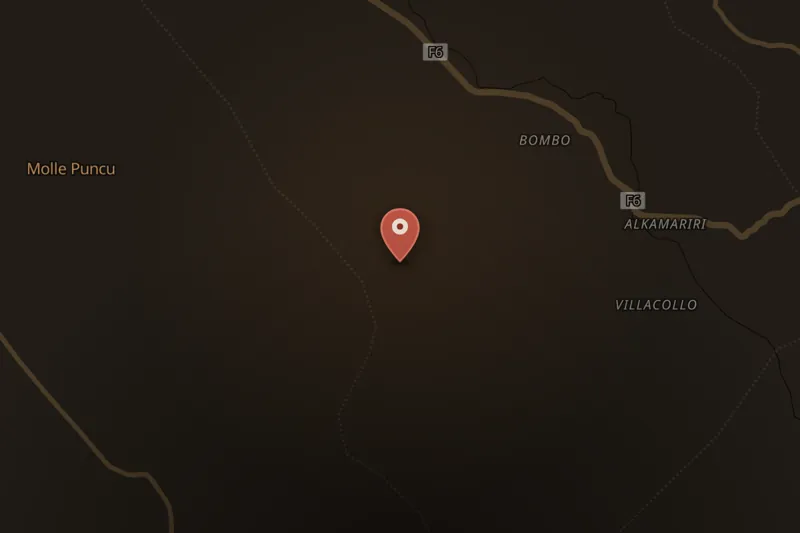
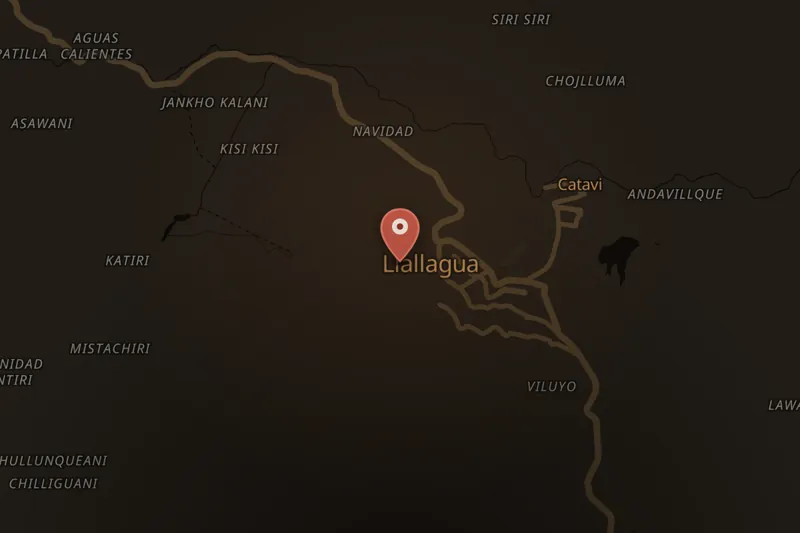
- Catavi mine, Llallagua, Potosí Department, Bolivia
- Case status
- solved
Case timeline
1932
Start of the Chaco War, which later produced political shifts affecting Bolivia's Congress.
1935
End of the Chaco War.
1941-12
Japan's attack on Pearl Harbor prompts Bolivia to formally enter World War II on the side of the Allied Powers.
1942
Siglo XX and Catavi mine workers present a petition demanding a 100% wage increase; management refuses to negotiate and union leaders call a strike. Government arrests union officials; seven protesting miners are killed.
1942-12-15
Beginning of a five-day strike by 7,000 miners.
1942-12-20
End of the five-day strike.
1942-12-21
Miners march toward management offices; Bolivian military surrounds the crowd and fires for six hours, killing an official count of 19 and wounding 400; workers' estimates report up to 400 deaths.
Best coverage
No approved coverage links are attached yet.
People
María Barzola
VICTIMKilled during the 21 December 1942 massacre; later commemorated as a martyr of the Bolivian labor movement.
Roles reflect public records and court outcomes at the time of writing — supporting citations are on file under Sources.
Places
Common questions
- What happened to the victim?
- On 21 December 1942, Bolivian government forces fired on striking miners and their families at the Catavi mine, killing at least 19 people according to the official count, while workers' estimates reported up to 400 deaths.
- Where did the massacre happen?
- Catavi mine, Llallagua, Potosí Department, Bolivia.
- What is the current status of the case?
- Status: solved.
Sources
- Catavi massacrewikipedia · Wikipedia · 2026-07-07
- Contemporaneous coverage — search.worldcat.orgnews · search.worldcat.org · 2026-07-07
- Impact of the Catavi Mine Massacre of 1942 on Bolivian Politics and Public Opinionnews · cambridge.org · 2026-07-07