Background
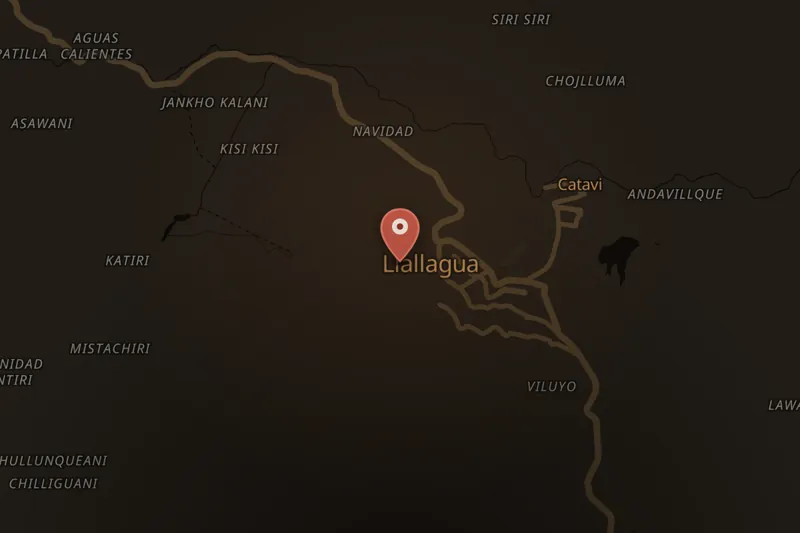
The San Juan massacre refers to an attack by the Bolivian military on miners and their families at the Siglo XX-Catavi tin mining complex in Bolivia. The attack took place in the early hours of 24 June 1967, during the traditional Night of San Juan winter solstice festival. It was carried out under orders from Bolivian president René Barrientos, who believed a new guerrilla resistance to his dictatorship was forming among the mining communities, inspired by Che Guevara's small force then operating in Bolivia. The miners' union, the FSTMB, had called for an enlarged national meeting in the miners' settlement of Llallagua XX for the day after the festival. Contemporary reporting, including a British Pathé newsreel and a 17 June 1967 New York Times report, documented rising tension in the area, including a miners' strike.
The Attack
Miners and their families gathered on the night of 23–24 June to celebrate the festival with bonfires, firecrackers, dynamite, traditional food, and drink. Unbeknownst to them, units of the elite Rangers and Camacho regiments of Oruro had surrounded the area. At around 5 a.m., soldiers emerged from train carriages and attacked the assembled crowd with machine guns and dynamite. Electricity had been cut shortly before the assault, preventing the local radio station, La Voz del Minero (the Voice of the Miner), from warning residents or alerting the outside world. Soldiers shot men, women, and children at close range. Many victims, asleep or intoxicated from the night's festivities, initially mistook the gunfire and explosions for the traditional firecrackers and dynamite of the celebration. The bulk of the casualties occurred in the encampment known as La Salvadora, near the Cancañiri railway station.
Under the military junta then ruling Bolivia, media coverage of the massacre was severely restricted, and no official investigation followed. The newspaper La Patria reported that mining populations woke at 4:55 a.m. to intense gunfire, machine-gun and dynamite explosions as army forces and mining police occupied the camps. Initial casualty estimates were 20 dead and 72 wounded.
Legacy
The massacre was witnessed by writer Victor Montoya at age nine; his later account described troops descending from surrounding hills to occupy the mining camps, the Miners' Plaza, union headquarters, and the Voice of the Miner radio station, where union leader Rosendo García Maismann was killed while defending the station with a rifle. The event was later depicted in the 1971 film "El coraje del pueblo" ("The Night of San Juan"), directed by Jorge Sanjinés from a script by Óscar Soria Gamarra. The massacre is discussed alongside other violent incidents at the same mining complex, including the 1942 Catavi massacre and the 1996 Christmas Massacre.

 SOLVEDListen