Case file
Chilcotin War
Documents violence · ongoing investigation — written to inform, not to shock.

In spring 1864, violence broke out in the Chilcotin (Tsilhqot'in) territory of the Colony of British Columbia between members of the Tsilhqot'in nation and settlers and workers building the Bute Inlet Wagon Road, a project promoted by Alfred Waddington to link Bute Inlet to the Cariboo goldfields. The Tsilhqot'in had recently been devastated by the 1862 Pacific Northwest smallpox epidemic, which some colonists reportedly viewed as an opportunity to seize Indigenous lands; many Tsilhqot'in believed the epidemic had been deliberately spread to facilitate the taking of their territory. Construction crews had entered Tsilhqot'in territory without permission, and Tsilhqot'in workers on the road had reportedly gone unpaid, were repeatedly misled, and faced near starvation.
On April 29, 1864, ferryman Timothy Smith was killed after refusing a demand for food from Chief Klattasine, Chief Tellot, and others; his supplies were looted and equipment destroyed. The following day, Tsilhqot'in fighters attacked a workers' camp at dawn, killing most of the crew, with a few men escaping with injuries. Foreman William Brewster and three of his men were killed further along the trail, as was settler William Manning at Puntzi Lake. A pack train led by Alexander McDonald was ambushed despite prior warning, and three drivers were killed. In total, nineteen men were killed in these incidents.
Colonial authorities under Governor Frederick Seymour dispatched multiple armed parties to the region, including forces under Chartres Brew and Gold Commissioner William Cox, some of which met further ambushes. Scout Donald McLean was killed during a reconnaissance mission after not heeding a warning about a gunman.
Chief Alexis and a companion of Klattasine met with Cox and were reportedly given assurances of friendship; Tsilhqot'in chiefs believed they were attending peace talks, but Klattasine, Tellot, and six others were arrested upon arrival. The prisoners claimed to have been promised immunity, which Cox denied. Five men — Tellot, Klattasine, Tah-pitt, Piele, and Chessus — were tried for murder in September 1864 at Quesnel before Judge Matthew Begbie and a jury. Klattasine argued the Tsilhqot'in had been waging a defensive war rather than committing murder. All five were convicted and sentenced to death and executed; a sixth chief, ʔAhan, was executed a year later in New Westminster.
Contemporary and later assessments cited varying causes for the conflict, including fears of smallpox, provision of firearms to a starving population, and — according to Judge Begbie — concerns over land title rather than plunder or revenge. Grievances over grave desecration and interference with water sources were also noted.
In 1993, a government-commissioned report led to a formal apology from BC's Attorney General and funding to search for the chiefs' graves. In 2014, BC Premier Christy Clark formally exonerated the six Tsilhqot'in chiefs of any crime or wrongdoing, and also acknowledged indications that smallpox had been spread intentionally. In March 2018, Prime Minister Justin Trudeau apologised to Parliament on behalf of the Government of Canada, and in November 2018 became the first prime minister to visit Tsilhqot'in territory to apologise directly to the community.

Key facts
- Victims
- Timothy Smith, Donald McLean, William Manning, William Brewster
- Date
- 1864
- Location
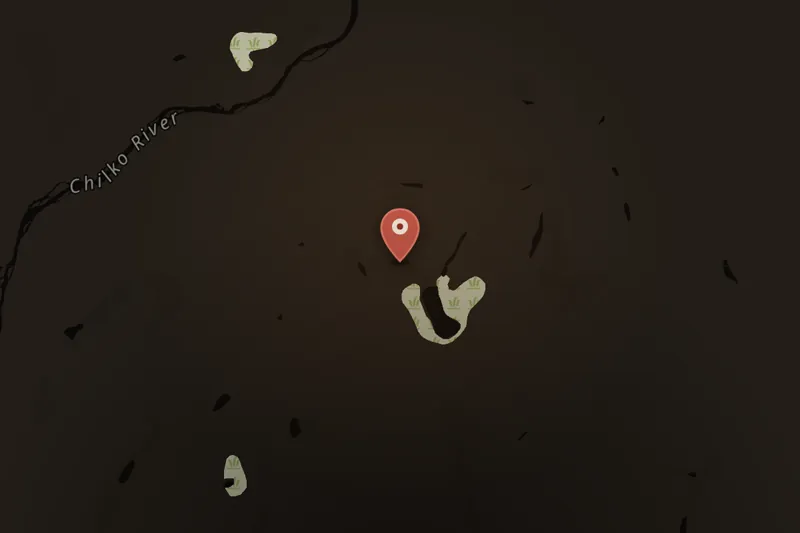
- Chilcotin Plateau / Bute Inlet region, Colony of British Columbia
- Case status
- overturned
Case timeline
1862
The Tsilhqot'in and other First Nations of the Pacific Northwest were devastated by a smallpox epidemic; some colonists reportedly viewed it as an opportunity to acquire Indigenous lands.
1863
Alfred Waddington received approval to begin construction of the Bute Inlet Wagon Road through Tsilhqot'in territory.
1864-04-29
Ferryman Timothy Smith was killed after refusing a Tsilhqot'in demand for food; supplies and equipment were destroyed.
1864-04-30
Tsilhqot'in fighters attacked a road workers' camp at dawn; foreman William Brewster and crew members were killed further along the trail, along with settler William Manning at Puntzi Lake and drivers from a pack train; nineteen men killed in total.
1864-05-14
Governor Frederick Seymour received news of the attacks in New Westminster.
1864-05-15
Chartres Brew and 28 men were dispatched to Bute Inlet aboard HMS Forward but were unable to reach the incident site.
1864-07-07
Governor Seymour, Chartres Brew, and forces arrived via HMS Sutlej and met Gold Commissioner William Cox's party; scout Donald McLean was killed during a reconnaissance mission.
1864-09
Five Tsilhqot'in chiefs — Tellot, Klattasine, Tah-pitt, Piele, and Chessus — were tried for murder at Quesnel before Judge Matthew Begbie, convicted, and sentenced to death.
1865-07-18
A sixth chief, ʔAhan, was executed in New Westminster.
1993
A government-commissioned report by Judge Anthony Sarich led to an apology from BC's Attorney General for the hangings and funding for an archaeological search for the chiefs' graves.
2014-10-24
BC Premier Christy Clark formally exonerated the six Tsilhqot'in chiefs of any crime or wrongdoing.
2018-03-26
Prime Minister Justin Trudeau formally apologised to Parliament on behalf of the Government of Canada for the executions.
2018-11-02
Trudeau visited Tsilhqot'in territory and delivered a further apology to the community and its leaders.
Best coverage
No approved coverage links are attached yet.
People
Tellot
CONVICTEDTsilhqot'in chief convicted of murder in September 1864 and executed; exonerated by the BC government in 2014.
citation on file
ʔAhan
CONVICTEDSixth Tsilhqot'in chief, executed in New Westminster on July 18, 1865; exonerated by the BC government in 2014.
citation on file
Timothy Smith
VICTIMFerryman killed on April 29, 1864, after refusing a demand for food.
citation on file
Donald McLean
VICTIMScout killed while reconnoitring for colonial forces in July 1864.
citation on file
William Manning
VICTIMSettler at Puntzi Lake killed during the 1864 violence.
citation on file
William Brewster
VICTIMForeman killed along with three of his men during the 1864 attacks.
citation on file
Piele
CONVICTEDTsilhqot'in chief convicted of murder in September 1864 and executed; exonerated by the BC government in 2014.
citation on file
Tah-pitt
CONVICTEDTsilhqot'in chief convicted of murder in September 1864 and executed; exonerated by the BC government in 2014.
citation on file
Klattasine
CONVICTEDTsilhqot'in chief convicted of murder in September 1864 and executed; exonerated by the BC government in 2014.
citation on file
Chessus
CONVICTEDTsilhqot'in chief convicted of murder in September 1864 and executed; exonerated by the BC government in 2014.
citation on file
Places
Common questions
- What happened to the victim?
- In 1864, Tsilhqot'in fighters killed road-building crews and settlers in the Colony of British Columbia amid disputes over land, food, and smallpox; six Tsilhqot'in chiefs were later arrested and executed, and were formally exonerated by BC in 2014 and apologised to by Canada in 2018.
- Where did the crime happen?
- Chilcotin Plateau / Bute Inlet region, Colony of British Columbia.
- Who was convicted?
- Tellot (Tsilhqot'in chief convicted of murder in September 1864 and executed; exonerated by the BC government in 2014.), ʔAhan (Sixth Tsilhqot'in chief, executed in New Westminster on July 18, 1865; exonerated by the BC government in 2014.), Piele (Tsilhqot'in chief convicted of murder in September 1864 and executed; exonerated by the BC government in 2014.), Tah-pitt (Tsilhqot'in chief convicted of murder in September 1864 and executed; exonerated by the BC government in 2014.), Klattasine (Tsilhqot'in chief convicted of murder in September 1864 and executed; exonerated by the BC government in 2014.), and Chessus (Tsilhqot'in chief convicted of murder in September 1864 and executed; exonerated by the BC government in 2014.).
- What is the current status of the case?
- Status: overturned. Last verified July 2026.
Sources
- Chilcotin Warwikipedia · Wikipedia · 2026-07-07
- Tsilhqot'in chiefs hanged in 1864 exonerated by B.C. Premier Christy Clarknews · CBC News · 2026-07-07
- Contemporaneous coverage — pubmed.ncbi.nlm.nih.govnews · pubmed.ncbi.nlm.nih.gov · 2026-07-07
Last verified JUL 2026