

Start here
The Real Life Invisible Man Case - What Happened To Cindy James? | Mystery & Makeup Bailey Sarian

Bailey Sarian's 32-minute breakdown, the fullest single telling on file.
Watch on YouTubeUnsolved case · 1986
Also known as Cindy James · Cynthia Elizabeth Hack
The short answer
Canadian nurse Cindy James disappeared from Richmond, British Columbia, on May 25, 1989, after nearly seven years of reporting stalking, harassment, and violent attacks by an unknown assailant. She was found dead two weeks later, hogtied with a nylon stocking around her neck, having died of a massive drug overdose.
The Real Life Invisible Man Case - What Happened To Cindy James? | Mystery & Makeup Bailey SarianBailey Sarian · 32 min1 piece from 1 creator: ranked, with duplicates removed and short clips set aside.
Start here
Bailey Sarian's 32-minute breakdown, the fullest single telling on file.
Watch on YouTubeTitles and descriptions are the creators’ own and may not reflect current legal status. The sourced facts are in the file below. Players load only when you press play. Suggest coverage we’re missing.
Cynthia Elizabeth James (née Hack) was a Vancouver-area pediatric and hospital nurse born June 12, 1944, in Oliver, British Columbia. She married South African psychiatrist Roy Makepeace in 1966; the marriage was later described by her family as troubled, and the couple separated in 1982.
Beginning in September 1982, four months after her separation from Makepeace, James reported the first of approximately 90 incidents to the RCMP over nearly seven years. These included obscene and threatening phone calls, vandalism, break-ins, dead and mutilated animals left at her home, arson, and several violent attacks in which she was found bound, drugged, or injured, often with a nylon stocking around her neck. She hired a private investigator, Ozzie Kaban, and took various self-protective measures, including repainting her car and changing her legal surname from Makepeace to James in 1986. Suspicion at various points fell on her ex-husband Makepeace, who denied involvement and was investigated but never charged. Psychiatric evaluations during this period offered differing diagnoses, including hysterical personality disorder, dissociative identity disorder, and borderline personality disorder, and some detectives came to suspect James was staging the incidents herself.
On May 25, 1989, James picked up her paycheck, shopped at a Safeway, and used a bank ATM in Richmond before she was reported missing that evening by friends Agnes and Tom Woodcock, who found her car abandoned in a shopping center parking lot with blood inside and her belongings scattered nearby. Her home showed no signs of disturbance. On June 8, 1989, a municipal worker discovered her body, hogtied with rope and with a black nylon stocking tied around her neck, in the yard of an abandoned house in Richmond, near graffiti reading "Some bitch died here" and "Devil." An autopsy determined she had died of multiple drug intoxication involving morphine, diazepam, and flurazepam, with roughly ten times a lethal dose of morphine in her bloodstream; the method of morphine administration could not be conclusively determined.
Over the course of the investigation, the RCMP spent an estimated CA$1–1.5 million and were unable to corroborate James's allegations of an outside assailant, leading some investigators to suspect she had fabricated the incidents herself, culminating in a staged suicide. A coroner's inquest held in Burnaby in spring 1990, spanning forty days and more than eighty witnesses, heard testimony from psychiatrists, forensic experts, and family members, including knot expert Robert Chisnall's demonstration that James could have bound herself within the timeframe available before the drugs took effect. The jury was unable to determine whether her death was suicide, homicide, or accident, and the case was formally closed as an "unknown event." James's family has continued to maintain that she was murdered. Her case received extensive media coverage, including a 1991 Unsolved Mysteries segment, two 1991 books, and a 2021 Audible podcast.
Cynthia Elizabeth Hack is born in Oliver, British Columbia.
Cindy marries psychiatrist Roy Makepeace.
Cindy separates from Makepeace; first reported incidents of prowling begin.
First of a series of obscene phone calls is received.
Cindy is found unconscious in her backyard with a nylon stocking around her neck, reporting an assault by two men.
Cindy is found unconscious with a knife stabbed through her hand and a threatening note pinned to it.
Cindy is found dazed with a nylon stocking around her neck after reporting an attack near Dunbar Park.
Cindy is involuntarily committed after a suicide attempt by overdose.
A third fire breaks out at Cindy's home; a detective later testifies he believed she started it herself.
Cindy is found semiconscious in a ditch near UBC with a nylon stocking tied around her neck.
Cindy legally changes her surname from Makepeace to James.
Makepeace receives two threatening voice messages referencing Cindy on his answering machine.
Cindy is found unconscious, hogtied, partially nude, and with a nylon stocking around her neck in her garage.
Cindy is last seen and reported missing after her car is found abandoned in a Richmond shopping center parking lot.
Cindy's body is found hogtied with a nylon stocking around her neck in the yard of an abandoned house in Richmond.
A memorial service is held for Cindy James.
The coroner's inquest concludes, ruling Cindy's death an "unknown event."
Cindy James's case is profiled on NBC's Unsolved Mysteries and in a BCTV docuseries.
Audible releases the podcast Death by Unknown Event, narrated by Pamela Adlon.
Victims first. Every legal label is set from public records and court outcomes, not from the prose.
Nurse found dead in 1989 after reporting years of stalking and harassment; cause of death ruled an unknown event by coroner's inquest.[3]
Coverage is not a source: every fact in this file rests on the records below.
Are you family of someone named in this file? Corrections and removal requests from victims’ families are prioritized.
 SOLVEDListen
Travelodge Hotel, North Vancouver, British Columbia · 2000s
Shelby Tracy Tom, a transgender woman and Vancouver sex worker, was strangled to death in a North Vancouver hotel room in May 2003 by Jatin Patel after Patel discovered Tom was transgender during a sexual encounter.
 SOLVEDListen
Pattullo Bridge, Surrey/New Westminster, British Columbia · 2000s
Hamed Nastoh, a 14-year-old Surrey, British Columbia student, died by suicide on March 11, 2000, after jumping from the Pattullo Bridge, leaving a note describing sustained bullying at his school.
 SOLVEDListen
Pickton family farm, 953 Dominion Avenue, Port Coquitlam, British Columbia · 1970s
Robert Pickton, a pig farmer from Port Coquitlam, British Columbia, was convicted in December 2007 of second-degree murder in the deaths of six women from Vancouver's Downtown Eastside. Investigators linked him to the deaths of at least 26 women in total, and 20 further first-degree murder charges against him were stayed in 2010.
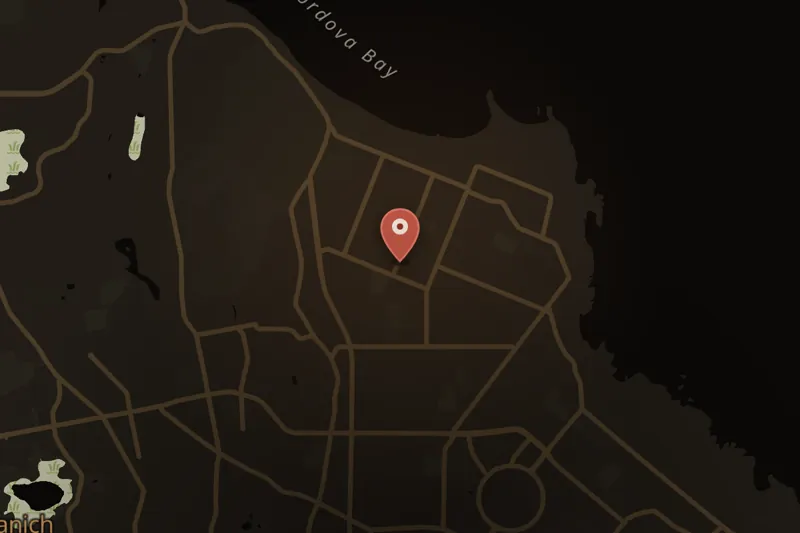 UNSOLVEDListen
Saanich, British Columbia, Canada · 2008
A 24-year-old Victoria, British Columbia, real estate agent was fatally stabbed in February 2008 during a staged home showing, and the killing remains unsolved.
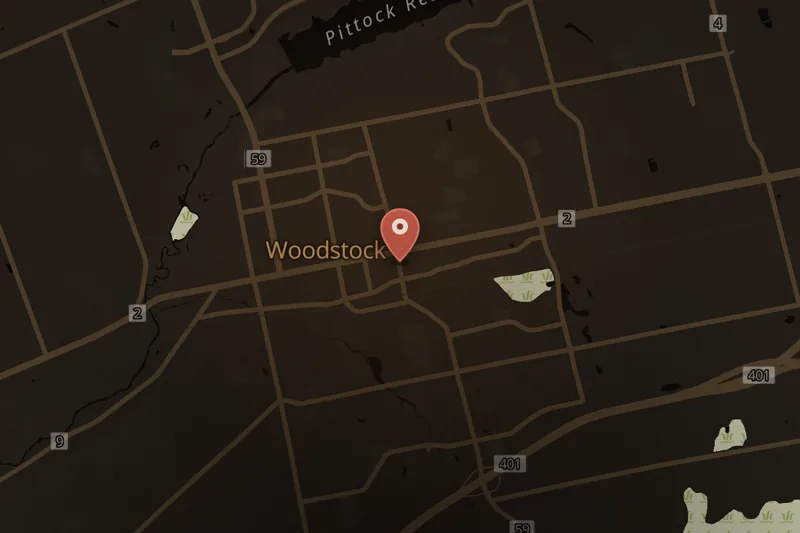 SOLVEDListen
Woodstock, Ontario, Canada (abduction site) · 2009
Eight-year-old Victoria "Tori" Stafford of Woodstock, Ontario was abducted and killed in April 2009; Terri-Lynne McClintic and Michael Rafferty were both convicted of first-degree murder.
 Credit: Indrid__ColdCC BY-SA 2.0SourceSOLVEDListen
Portapique, Nova Scotia, Canada · 2020
Over April 18–19, 2020, Gabriel Wortman shot and killed 22 people and set fires at 16 locations across rural Nova Scotia before being shot dead by RCMP officers in Enfield, in the deadliest shooting rampage in Canadian history.
 Credit: English WikipediaEditorial useSourceSOLVEDListen
Modesto, California · 2002
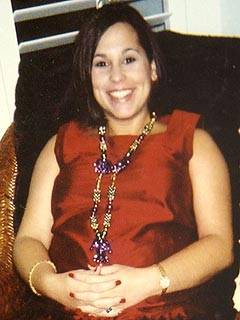
Laci Peterson, 27 and eight months pregnant, disappeared from her Modesto, California home on December 24, 2002; her body and that of her unborn son Conner were found in San Francisco Bay in April 2003, and her husband Scott Peterson was convicted in 2004 of murdering both.
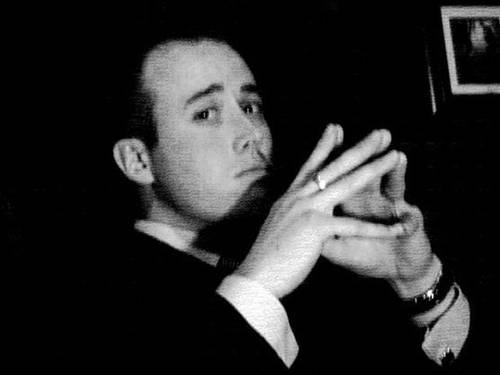 Credit: CBS News / Travis Alexander (personal photo)Editorial useSourceSOLVEDListen
Mesa, Arizona, United States · 2000s
Travis Alexander, 30, was stabbed, slashed, and shot to death in his Mesa, Arizona home on June 4, 2008. His ex-girlfriend, Jodi Arias, was convicted of first-degree murder in 2013 and sentenced to life without parole in 2015 after two juries deadlocked on the death penalty.
 COLDListen
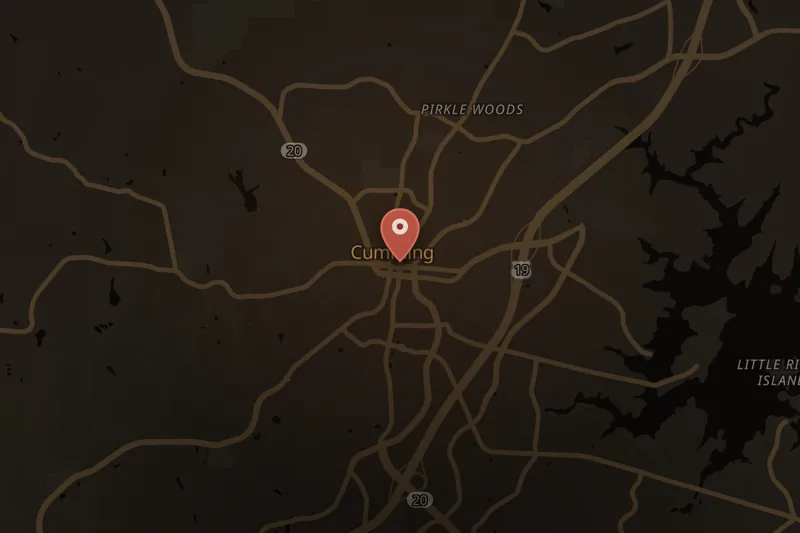
Cumming, Georgia · 2018
Tamla Horsford, a 40-year-old mother of five, died from a fall at a home in Cumming, Georgia, during a gathering on November 3-4, 2018; two separate investigations ruled her death accidental, though her family has disputed that finding and pushed for further inquiry.
 Credit: Los Angeles Police DepartmentPublic domainSourceUNSOLVEDListen
Leimert Park, Los Angeles, California, USA · 1940s
Elizabeth Short, known posthumously as the Black Dahlia, was found murdered in Los Angeles in January 1947 in a case that remains unsolved.
 Credit: Ted Van ZylEditorial useSourceSOLVEDListen
Albuquerque, New Mexico, United States · 1993
Girly Chew Hossencofft, a Malaysian-born bank teller living in Albuquerque, New Mexico, disappeared on September 9, 1999, shortly after filing for divorce from her husband Diazien Hossencofft. He and his girlfriend Linda Henning were later convicted of her murder. Her body has never been found.
 Credit: Argonne National Laboratory / Wikimedia Commons, c.1922–23Public domainSourceSOLVEDListen
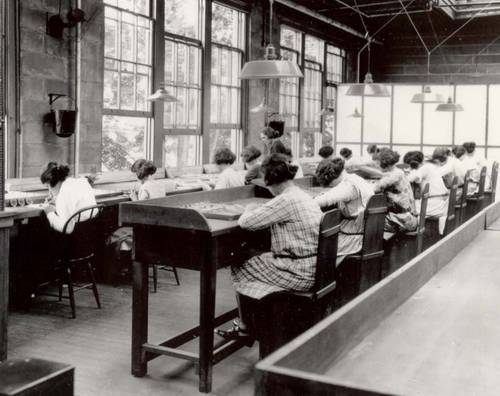
Orange, New Jersey · 1917
Beginning in 1917, factory workers who came to be known as the Radium Girls were poisoned after being instructed to shape radium-paint brushes with their lips; the resulting illnesses, deaths, and lawsuits against the United States Radium Corporation and the Radium Dial Company reshaped U.S. occupational health and labor law.