Start here
WHERE IS JENNIFER KESSE?! This Makes No Sense!!!

Kendall Rae's 21-minute breakdown of the whole case.
Watch on YouTubeOngoing case · 2006
Also known as Jennifer Kesse's disappearance · Jennifer Joyce Kesse's disappearance
Ongoing case: this file carries charge-sheet facts only. Anyone charged is presumed innocent unless convicted.
 JENNIFER JOYCE KESSE - ORLANDO, FLORIDACredit: FBIPublic domainSource
The short answer
Jennifer Joyce Kesse, a 24-year-old finance manager, disappeared from her home in Orlando, Florida, between January 23 and 24, 2006; her car was found abandoned about a mile away two days later, and she has never been found.
WHERE IS JENNIFER KESSE?! This Makes No Sense!!!Kendall Rae · 21 min10 pieces from 4 creators: ranked, with duplicates removed and short clips set aside.
Start here
Kendall Rae's 21-minute breakdown of the whole case.
Watch on YouTubeWHERE IS JENNIFER KESSE? | MIDWEEK MYSTERY
 Georgia MarieVideo · YouTube · 21 min · 2017
Jennifer Kesse: The Man Behind the Fence (Part 2)
 Crime WeeklyVideo · YouTube · 2 hr 15 min · 2023
Jennifer Kesse: "Chino" (Part 3)
Crime WeeklyVideo · YouTube · 2 hr 5 min · 2023Jennifer Kesse: Secrets in the Sunshine State (Part 1)
Crime WeeklyVideo · YouTube · 1 hr 42 min · 2023Jennifer Kesse Case No Longer Cold Due to A.I. and DNA!
Crime WeeklyVideo · YouTube · 16 min · 2025Part 1 of our Jennifer Kesse Series is now live. Watch the full episode on our YouTube channel.
Crime WeeklyVideo · YouTube · 1 min · 2023Final part of our Jennifer Kesse series is now on our YouTube channel. #crimeweekly #jenniferkesse
Crime WeeklyVideo · YouTube · 1 min · 2023Jennifer Kesse: The Man Behind the Fence (Part 2) is now available on our channel. #jenniferkesse
Crime WeeklyVideo · YouTube · 1 min · 2023Titles and descriptions are the creators’ own and may not reflect current legal status. The sourced facts are in the file below. Players load only when you press play. Suggest coverage we’re missing.
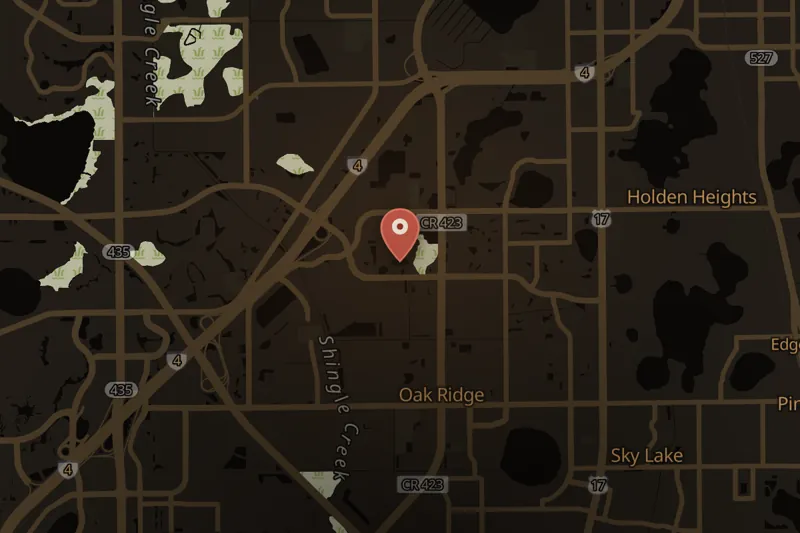
Jennifer Joyce Kesse was a 24-year-old finance manager who disappeared from her Orlando, Florida, condominium between January 23 and 24, 2006. A graduate of Vivian Gaither High School in Tampa, she earned a finance degree from the University of Central Florida in 2003 and worked at Central Florida Investments Timeshare Company in Ocoee. The weekend before she disappeared, she vacationed with her boyfriend on Saint Croix, U.S. Virgin Islands, returning Sunday and driving to work the next morning, January 23, 2006.
Kesse was last confirmed seen leaving work around 6:00 p.m. that day; she called her father around 6:15 p.m. while driving home and spoke with her boyfriend around 10:00 p.m. She normally contacted her boyfriend before work, so it was unusual when he could not reach her the next morning and his call went to voicemail. Her employer contacted her parents when she failed to arrive at work; they found her car missing but her home undisturbed, aside from a wet towel and clothes laid out suggesting she had prepared for work. Friends, family, and police searched by foot, horseback, boat, helicopter, car, and ATV, and investigators concluded Kesse left her condominium complex and was abducted on her way to work.
On January 26, 2006, a tenant near an apartment complex about a mile from Kesse's home recognized her abandoned black 2004 Chevrolet Malibu from news coverage. Hidden cameras there had recorded an unidentified person of interest parking the car and walking away around noon on January 24, but the footage was not found until two days later. The person's face was obscured by fencing and unrecognized by Kesse's family and friends; the FBI could only estimate the person's height at between 5 feet 3 inches and 5 feet 5 inches. Forensic examination of the car found only a latent print and a DNA fiber, and indicated it had been wiped down; valuables were left inside, ruling out robbery, but her cellphone, iPod, keys, purse, briefcase, and outfit were never recovered, and her bank card has not been used since.
Investigators questioned and ruled out Kesse's immediate family, close friends, her ex-boyfriend, and her boyfriend. Non-English-speaking construction workers at her complex, whom Kesse had told relatives harassed her, could not be fully interviewed due to the language barrier; a manager who had sought a relationship with her, which she declined, was ruled out. Investigators and her family have considered, but view as less likely, that she was trafficked. In May 2007, her employer, led by David A. Siegel, offered a $1 million reward contingent on her being found alive; it was never claimed. On May 2, 2008, the Florida House of Representatives unanimously passed the Jennifer Kesse and Tiffany Sessions Missing Persons Act to reform the state's handling of missing-persons cases.
The FBI took over the investigation from the Orlando Police Department on June 10, 2010, at the urging of police chief Val Demings. In 2018, Kesse's parents sued the department for access to its records; the suit was settled in March 2019, granting the family 16,000 pages of documents. In December 2022, the case was transferred to the Florida Department of Law Enforcement's cold case unit, which planned to reinterview possible suspects and retest evidence. On May 20, 2025, the FDLE said it had identified several persons of interest and no longer considered the case cold. On October 21, 2025, Kesse's father, Drew Kesse, said the FDLE had found untested DNA evidence and had narrowed the list of persons of interest. Kesse remains classified as missing and endangered by multiple agencies, and no arrests have been made.
Kesse graduates from the University of Central Florida in Orlando with a degree in finance.
Kesse leaves work around 6:00 p.m. and calls her father around 6:15 p.m. while driving home; she speaks with her boyfriend by phone around 10:00 p.m., the last known contact with her before she disappears.
Kesse's boyfriend is unable to reach her by phone, and her employer contacts her parents around 11:00 a.m. after she fails to arrive at work; investigators later conclude she was abducted after leaving her condominium complex on her way to work. Around noon, surveillance cameras at a nearby apartment complex record an unidentified person parking her car and walking away, though the footage is not discovered for two days.
A tenant recognizes Kesse's abandoned black 2004 Chevrolet Malibu from news coverage at an apartment complex about a mile from her home; police confirm the vehicle and recover surveillance footage of the unidentified person of interest.
Kesse's employer, led by David A. Siegel, offers a $1 million reward, contingent on her being found alive, for information leading to her whereabouts; the reward is never claimed.
The Florida House of Representatives unanimously passes Senate Bill 502, the Jennifer Kesse and Tiffany Sessions Missing Persons Act, to reform how missing-persons cases are handled in Florida.
The FBI takes over the investigation from the Orlando Police Department at the urging of police chief Val Demings.
Kesse's parents file suit against the Orlando Police Department to gain access to its case records.
The Kesse family's lawsuit against the Orlando Police Department is settled, granting them access to 16,000 pages of records.
The investigation is transferred to the Florida Department of Law Enforcement's cold case unit, which plans to reinterview possible suspects and retest evidence.
The FDLE announces it has reviewed thousands of pages of documents, interviewed about 45 people, identified several persons of interest, and no longer considers the case cold.
Kesse's father, Drew Kesse, announces that the FDLE has found previously untested DNA evidence in the case and has significantly narrowed the list of persons of interest.
Victims first. Every legal label is set from public records and court outcomes, not from the prose.
24-year-old finance manager who disappeared from her home in Orlando, Florida, between January 23 and 24, 2006; she has not been found and no arrests have been made in her disappearance.[3]
Coverage is not a source: every fact in this file rests on the records below.
Are you family of someone named in this file? Corrections and removal requests from victims’ families are prioritized.
 Credit: Pax Ahimsa GethenCC BY-SA 4.0SourceSOLVEDListen
Pulse nightclub, Orlando, Florida, United States · 2010s
On June 12, 2016, Omar Mateen, identified by police as the gunman, shot and killed 49 people and wounded 58 others at Pulse, a gay nightclub in Orlando, Florida, during a Latin Night event, before being fatally shot by police after a three-hour standoff.
 Credit: Bstodd00CC BY-SA 3.0SourceUNSOLVEDListen
Orlando, Florida · 2000s
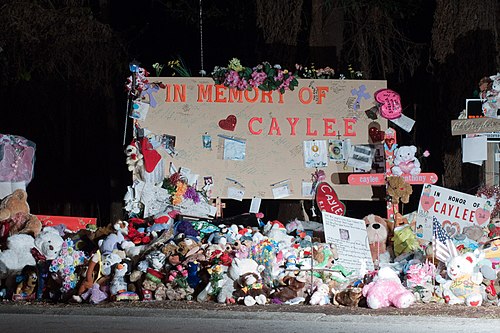
Two-year-old Caylee Anthony of Orlando, Florida, was reported missing in July 2008 after not being seen for over a month; her skeletal remains were found that December in woods near her family's home. Her mother, Casey Anthony, was tried on first-degree murder and related charges but was acquitted of all felony counts in 2011, being convicted only of four counts (later reduced to two on appeal) of providing false information to law enforcement.
Central Florida (multiple counties along highways), Florida, United States · 1980s
Between 1989 and 1990, Aileen Wuornos shot and robbed seven male motorists along Florida highways while working as a street prostitute. She was convicted of one murder, pleaded guilty or no contest to five others, and was executed in 2002 after more than a decade on death row.
 Credit: AuburnPilot at English WikipediaPublic domainSourceUNSOLVEDListen
Oranjestad, Aruba · 2005
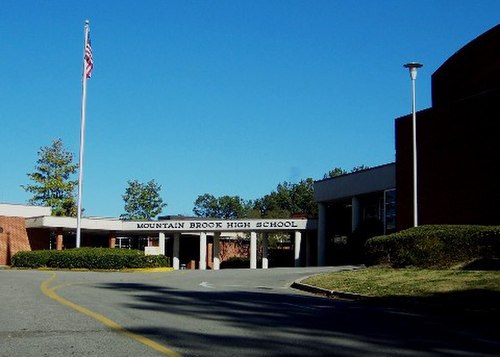
Natalee Holloway, an 18-year-old Alabama high school graduate, disappeared during a graduation trip to Aruba on May 30, 2005, and has never been found; Joran van der Sloot, last seen with her that night, was never charged over her disappearance in Aruba but later pleaded guilty to related U.S. extortion and wire-fraud charges and confessed to killing her.
 Credit: Federal Bureau of InvestigationPublic domainSourceUNSOLVEDListen
Washington, D.C. · 2014
An 8-year-old girl living at a Washington, D.C., homeless shelter disappeared in early 2014 while in the custody of a shelter janitor who had befriended her family; she has never been found.
 Image recordEditorial useSourceUNSOLVEDListen
Anthem, Henderson, Nevada, United States · 2009
Steven Koecher, a 30-year-old journalist, disappeared in Henderson, Nevada, on December 13, 2009, after parking his car in a residential cul-de-sac and walking away on foot, and his whereabouts remain unknown in an unsolved case.
 Credit: Family/Instagram photograph, widely distributed in press coverageEditorial useSourceSOLVEDListen
Moscow, Idaho · 2022
Four University of Idaho students—Madison Mogen, Kaylee Goncalves, Ethan Chapin, and Xana Kernodle—were fatally stabbed inside an off-campus house in Moscow, Idaho, in the early morning hours of November 13, 2022. Bryan Kohberger, a criminology PhD student at nearby Washington State University, was arrested that December and pleaded guilty in 2025, receiving four consecutive life sentences.
 Credit: English WikipediaEditorial useSourceSOLVEDListen
Modesto, California · 2002
Laci Peterson, 27 and eight months pregnant, disappeared from her Modesto, California home on December 24, 2002; her body and that of her unborn son Conner were found in San Francisco Bay in April 2003, and her husband Scott Peterson was convicted in 2004 of murdering both.
 Credit: English WikipediaEditorial useSourceSOLVEDListen
Delta, Fulton County, Ohio · 2016
Sierah Joughin, a 20-year-old Ohio college student, was abducted while bicycling home in Fulton County on July 19, 2016, and found dead three days later. James Dean Worley, a neighbor with a 1990 abduction conviction who was not listed in any offender database, was convicted of her murder in 2018 and sentenced to death, prompting Ohio's Sierah's Law, which created a searchable violent-offender registry.
 Credit: CBS News / Travis Alexander (personal photo)Editorial useSourceSOLVEDListen
Mesa, Arizona, United States · 2000s
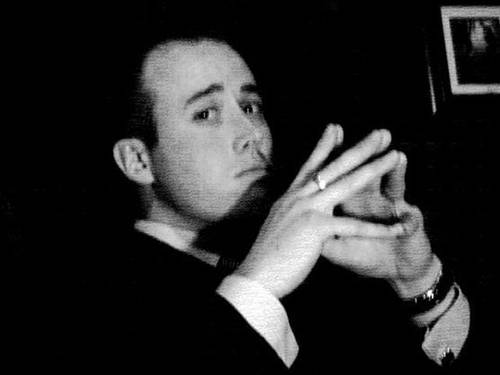
Travis Alexander, 30, was stabbed, slashed, and shot to death in his Mesa, Arizona home on June 4, 2008. His ex-girlfriend, Jodi Arias, was convicted of first-degree murder in 2013 and sentenced to life without parole in 2015 after two juries deadlocked on the death penalty.
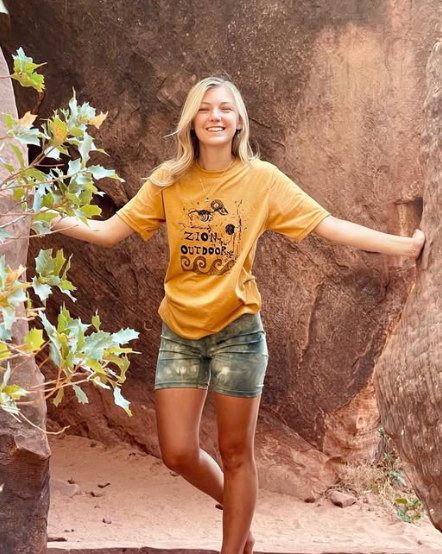 Credit: Instagram/@gabspetito, widely distributed in press coverageEditorial useSourceSOLVEDListen
Bridger–Teton National Forest, Wyoming · 2021
Gabby Petito, a 22-year-old travel vlogger, was killed by strangulation and blunt-force trauma in August 2021 while on a cross-country van trip with her fiancé, Brian Laundrie. Laundrie returned to Florida alone, was named a person of interest, and later died by suicide, leaving a note admitting he had killed her.
 Credit: Wfsa 12 NewsEditorial useSourceSOLVEDListen
Auburn, Alabama · 2019
Aniah Blanchard, a 19-year-old Alabama college student, disappeared from Auburn in October 2019 and was later found dead of a gunshot wound; the man convicted of her murder was sentenced to life in prison in 2026.
 Image recordEditorial useSourceSOLVEDListen
Austin, Texas · 2022
Moriah Wilson, a 25-year-old professional cyclist, was shot and killed at a friend's residence in Austin, Texas, on May 11, 2022, and Kaitlin Armstrong was later convicted and sentenced to 90 years in prison for the killing.