Clayton Derrell Lockett was convicted in 2000 in Oklahoma of the murder, rape, forcible sodomy, kidnapping, assault and battery of Stephanie Neiman, a 19-year-old high school graduate. Lockett and two accomplices, Alfonzo Veasey Lockett and Shawn Mathis, committed a home invasion robbery in Perry, Oklahoma, on June 3, 1999, during which Neiman, a witness, was kidnapped, bound, shot twice, and buried alive after the shots were not immediately fatal. Lockett was sentenced to death; his accomplices received life sentences.
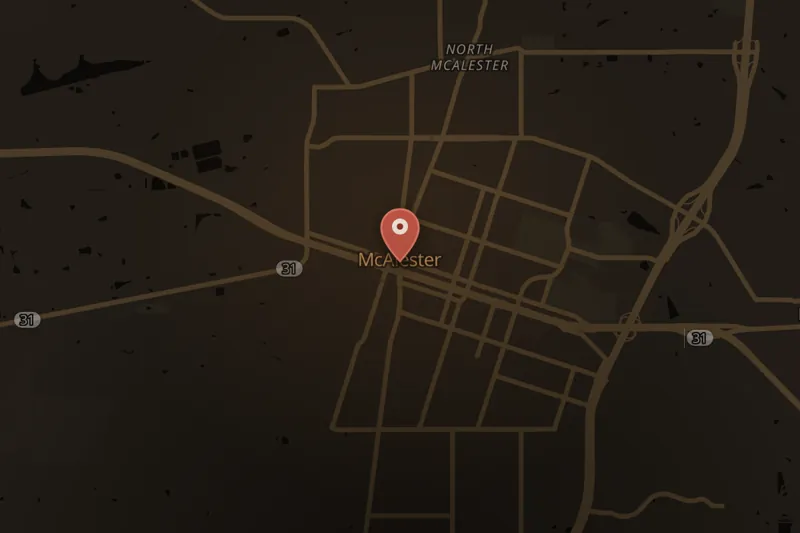
Lockett was executed by lethal injection at Oklahoma State Penitentiary in McAlester on April 29, 2014, using an untested combination of midazolam, vecuronium bromide, and potassium chloride, adopted because manufacturers had stopped supplying previously used execution drugs such as sodium thiopental. Executioners had substantial difficulty establishing an intravenous line, attempting multiple sites on Lockett's arms, neck, collarbone area, foot, and finally his groin. After midazolam was administered and Lockett was declared unconscious, he began to writhe, groan, convulse, and speak, and attempted to rise from the execution table roughly fourteen minutes into the procedure. The execution was halted after 33 minutes when a doctor determined the IV had failed and insufficient drugs remained to continue. Lockett was declared dead of a heart attack 43 minutes after the process began, at 7:06 p.m.
A subsequent state investigation found that a cloth placed over Lockett's groin for privacy had prevented staff from observing that the IV in his collapsed vein had failed, causing the drugs to be absorbed into tissue rather than administered as intended. Oklahoma Department of Corrections Director Robert Patton recommended a complete review of execution protocols and a suspension of executions. A preliminary independent autopsy commissioned by Lockett's legal team and conducted by forensic pathologist Joseph Cohen challenged the state's account, suggesting Lockett's veins had been healthy and that the execution team had failed to properly insert the IV.
The case prompted a fourteen-day stay of execution for Charles Frederick Warner, who had been scheduled to be executed with the same drug combination shortly after Lockett; Warner was later executed on January 15, 2015. The White House called the execution's manner inconsistent with humane standards, and President Barack Obama described it as "deeply disturbing," directing the Attorney General to review death penalty policy. The UN Office of the High Commissioner for Human Rights suggested the execution may have constituted cruel, inhuman, or degrading treatment, and the United Kingdom government reiterated its opposition to capital punishment. Human rights organizations, including the ACLU of Oklahoma and Human Rights Watch, condemned the execution as amounting to state-sanctioned torture.


 SOLVEDListen