The Islamist insurgency in Burkina Faso is an ongoing armed conflict that began on 23 August 2015 with an attack on a gendarmerie post attributed to alleged Boko Haram members. The conflict pits the Government of Burkina Faso against several jihadist groups aligned with Al-Qaeda and the Islamic State, including Jama'at Nasr al-Islam wal-Muslimin (JNIM), Ansarul Islam, and the Islamic State in the Greater Sahara (ISGS). The insurgency emerged in the northern part of the country amid the broader Mali War and, after 2016, spread into the eastern and central regions following large-scale attacks by Ansarul Islam under its founder, imam Ibrahim Malam Dicko.
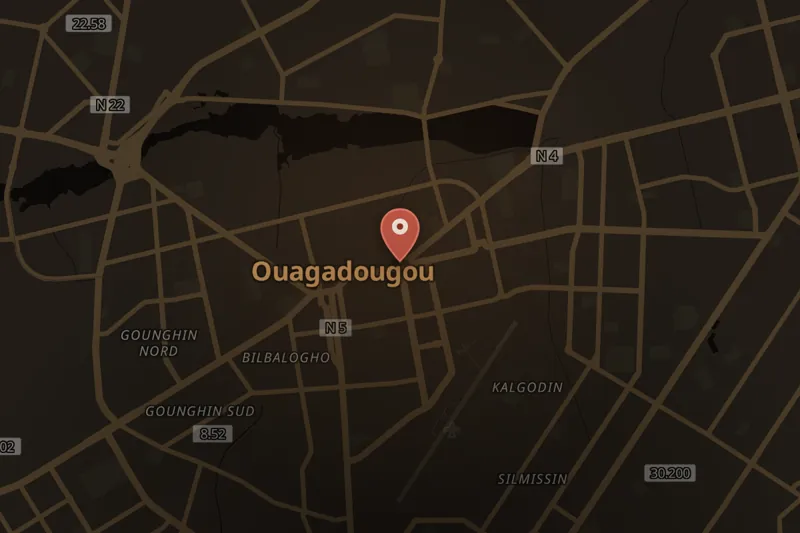
Over the following years, jihadist groups carried out attacks on military bases, civilians, schools, religious leaders, and local officials. Notable incidents include the January 2016 attack on Ouagadougou that killed 30 people, the August 2017 restaurant attack in Ouagadougou that killed 18 people, and a series of massacres targeting churches, mosques, and villages between 2019 and 2024, including attacks in Solhan and Tadaryat (June 2021, over 170 killed), Barsalogho (August 2024, at least 600 killed), and multiple attacks on the town of Djibo and Diapaga in 2023–2025.
Government forces and allied militias, including the Koglweogo and later the Volunteers for the Defense of the Homeland (VDP), have been accused by organizations such as Human Rights Watch of extrajudicial killings and ethnic reprisals, particularly against Fulani communities suspected of ties to militants. Documented incidents include the 2019 Yirgou massacre, in which ethnic Mossi villagers killed Fulani residents; military killings in Kaïn in February 2019; a mass grave containing over 180 bodies discovered near Djibo in 2020; and the April 2023 Karma massacre, in which witnesses said soldiers killed civilians, including women and children, in a Mossi-majority village.
The insurgency contributed to political instability, culminating in two military coups in 2022. In January 2022, Lieutenant Colonel Paul-Henri Sandaogo Damiba seized power, citing government failures against the insurgency. Damiba was himself removed in a second coup in September 2022 by Captain Ibrahim Traoré. Since then, Burkina Faso has distanced itself from France and other Western countries while deepening security cooperation with Mali, Niger, and Russia, including the deployment of Russian military instructors reported in early 2024.
As of the most recent reporting, jihadist groups, particularly JNIM, continue to control large areas of the country despite government offensives and the mobilization of VDP militias. The conflict has produced a severe humanitarian crisis, with over 2 million people displaced, widespread food insecurity, disrupted public services, and an estimated 300,000 children without access to education due to school closures. The United Nations refugee agency has stated that six in ten displaced people in the Sahel region originate from Burkina Faso. The conflict is considered part of the broader Sahel insurgency.


 Credit: ZenmanCC BY-SA 3.0SourceSOLVEDListen