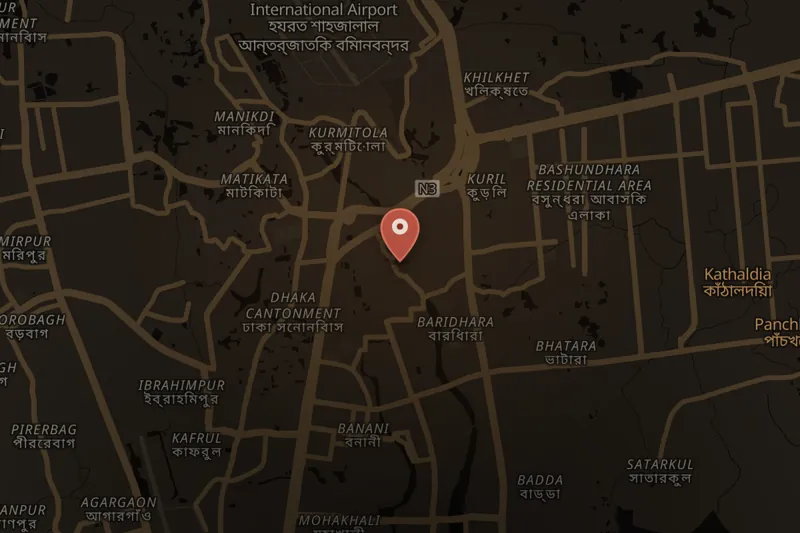
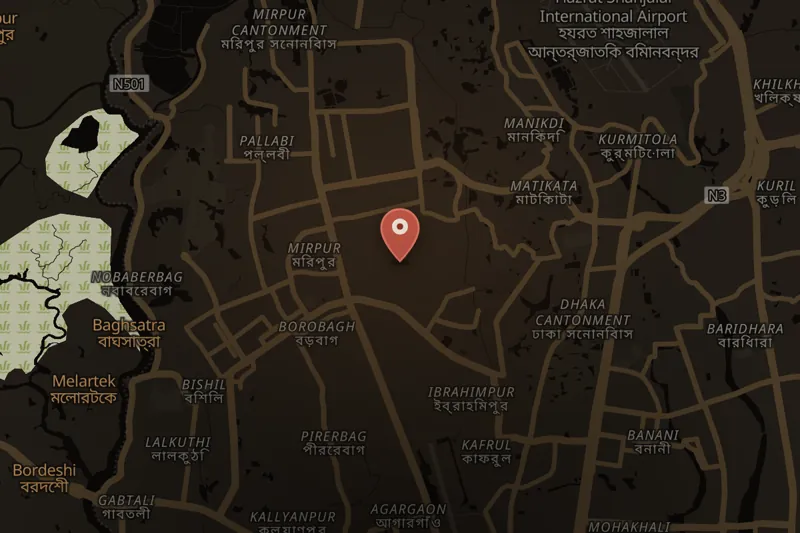
On the evening of 1 July 2016, five armed attackers entered the Holey Artisan Bakery in the Gulshan Thana area of Dhaka, Bangladesh, carrying crude bombs, pistols, assault rifles, and at least one sword. They opened fire indiscriminately, detonated explosives, and took dozens of people hostage, including many foreign nationals. Restaurant staff hid in a cramped second-floor restroom while the attackers moved through the building, separating Muslims from non-Muslims and reportedly sparing those who could recite verses from the Quran.
Police officers, including detective Rabiul Islam and officer-in-charge Salahuddin Ahmed, responded to the gunfire and attempted to intervene. Both officers were killed by the attackers, who threw grenades and fired on police as a cordon was established with support from the Rapid Action Battalion and Border Guard Bangladesh. Bangladeshi Prime Minister Sheikh Hasina was briefed on the unfolding crisis and ordered a military response.
In the early hours of 2 July, the Bangladesh Armed Forces launched a counter-assault codenamed Operation Thunderbolt, led by the 1st Para-Commando Battalion under operational commander Brigadier General Mujibur Rahman. Commandos, supported by armored personnel carriers, breached the building around 07:40 local time and secured the site within roughly 50 minutes. Thirteen hostages were rescued alive. Five attackers were killed in the operation and a sixth individual was captured. A bakery employee was mistakenly killed by commandos during the raid, having been misidentified as an attacker.
In total, 29 people were killed: 20 hostages (17 foreign nationals and three Bangladeshis), two police officers, five attackers, and two bakery staff members. Victims included nine Italian citizens, seven Japanese nationals associated with the Japan International Cooperation Agency, and Tarishi Jain, a 19-year-old Indian student at the University of California, Berkeley. Autopsies reportedly indicated that the Italian victims had been tortured before death. Fifty other people, mostly police personnel, were injured.
The Islamic State claimed responsibility for the attack and released photographs of the attackers, who were identified by Bangladeshi police as Nibras Islam, Rohan Imtiaz, Meer Saameh Mubasheer, Khairul Islam, and Shafiqul Islam — young, well-educated men from affluent Bangladeshi families. Bangladesh's then-Home Minister Asaduzzaman Khan stated the attackers belonged to Jamaat-ul-Mujahideen Bangladesh rather than being directly affiliated with the Islamic State.
Subsequent law-enforcement operations targeted individuals believed connected to the attack's planning and logistics, including raids that killed several suspected militant figures in the following months. In December 2018, eight people accused of helping plan and supply weapons for the attack went on trial before a special tribunal in Dhaka. In November 2019, seven were convicted and sentenced to death, and one was acquitted. Following appeal proceedings, the death sentences of the seven convicted individuals were later commuted to life imprisonment.


 SOLVEDListen