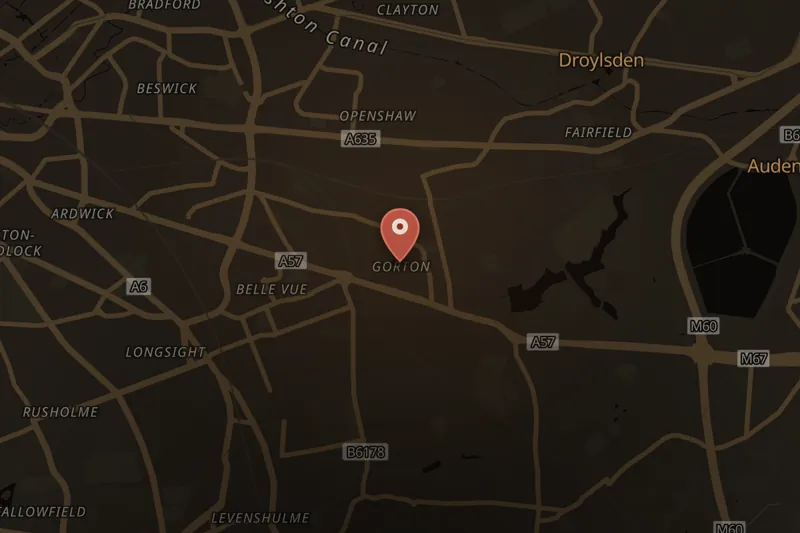
Background. Lesley Ann Whittle (born 3 May 1957) was the daughter of George Whittle, co-owner of a successful Midlands coach firm, and his common-law wife Dorothy. She lived with her mother in Highley, Shropshire, and was studying A-levels at Wulfrun College, Wolverhampton, at the time of her death. Following her father's death in 1970 and a subsequent inheritance dispute reported in the Daily Express in 1972, details of the family's wealth became publicly known.
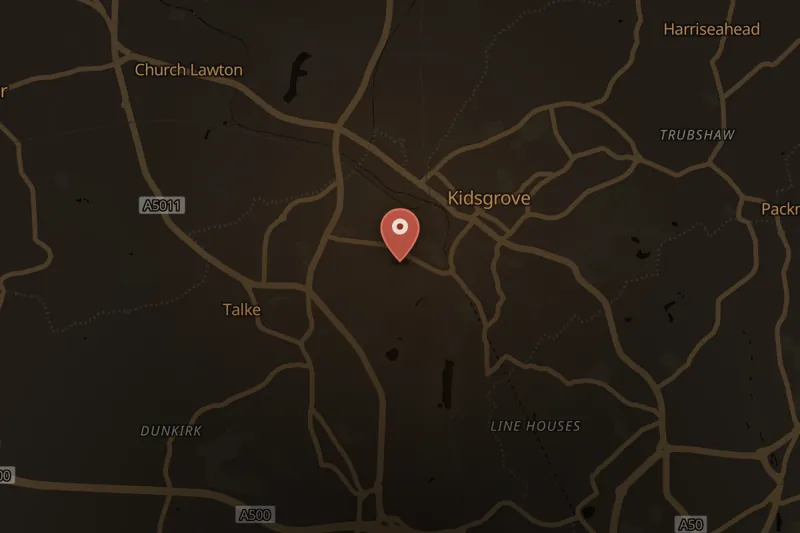
Kidnapping. In the early hours of 14 January 1975, Donald Neilson, who had spent nearly three years planning the crime after reading the 1972 newspaper coverage of the Whittle inheritance dispute, entered the Whittle home in Highley and abducted Lesley at gunpoint. He drove her approximately 65 miles to Bathpool Park in Kidsgrove, Staffordshire, where he tethered her by a wire noose around her neck on a narrow ledge 54 feet below ground in a drainage shaft, leaving a hooded, restrained hostage while he attempted to arrange collection of a £50,000 ransom. Ransom notes were left at the family home, and a ransom-collection attempt by Lesley's brother, Ronald Whittle, on the night of 16–17 January 1975 was unsuccessful.
Related shooting. On the evening of 15 January 1975, while placing further ransom instructions, Neilson was confronted by a security guard, Gerald Smith, near Dudley Zoo. Neilson shot Smith six times; Smith died of his injuries roughly fourteen months later. Ballistics testing later linked the firearm used against Smith, and a firearm recovered from a car connected to the kidnapping, to the earlier murders of three sub-postmasters attributed to the "Black Panther."
Investigation and discovery. The inquiry, initially led by Detective Chief Superintendent Robert Booth of West Mercia Police with assistance from Scotland Yard, involved more than 400 officers across several forces. A stolen car linked to the kidnapping was found on 23 January 1975 containing a recorded tape of Lesley's voice and other evidence connecting the case to the Black Panther murders. Following further evidence found by schoolchildren in Bathpool Park and a renewed search beginning 6 March 1975, Lesley's body was discovered hanging in the third drainage shaft on 7 March 1975. A post-mortem determined she had died of vagal inhibition, most likely between 17 and 24 January 1975, and had been considerably emaciated at death.
Arrest, confession and trial. Donald Neilson was arrested in Mansfield in December 1975 after a violent confrontation with police officers investigating him near a post office. Fingerprint evidence subsequently linked him to Lesley's kidnapping, and he confessed in a lengthy police interview. He was charged with her murder on 15 December 1975. At Oxford Crown Court, before Mr Justice Mars-Jones, Neilson pleaded guilty to kidnapping and extortion but not guilty to murder, claiming Lesley's death was accidental. On 1 July 1976, a jury convicted him of murder; he received a life sentence plus a concurrent 61-year sentence for kidnapping. He was later convicted, on 21 July 1976, of the murders of three sub-postmasters and given three further concurrent life sentences.
Aftermath. Neilson remained imprisoned until his death from pneumonia on 18 December 2011. In 2008, a High Court ruling upheld a whole-life order against him. Robert Booth was demoted from his role leading the investigation shortly after the discovery of Lesley's body, a decision he later said left him disillusioned.


 SOLVEDListen