

Start here
The Case of Betty Shanks - Queensland's Longest Running Cold Case

Bella Fiori's 31-minute breakdown, the fullest single telling on file.
Watch on YouTubeCold case · 2006
Also known as Murder of Betty Shanks · Betty Thomson Shanks
 File:StateLibQld 2 212204 Betty Shanks.jpgCredit: Contributor(s): The Courier-MailPublic domainSource
The short answer
Betty Shanks, a young Brisbane public servant, was beaten and strangled while walking home in September 1952, in one of Queensland's oldest unsolved killings.
The Case of Betty Shanks - Queensland's Longest Running Cold CaseBella Fiori · 31 min1 piece from 1 creator: ranked, with duplicates removed and short clips set aside.
Start here
Bella Fiori's 31-minute breakdown, the fullest single telling on file.
Watch on YouTubeTitles and descriptions are the creators’ own and may not reflect current legal status. The sourced facts are in the file below. Players load only when you press play. Suggest coverage we’re missing.
Betty Shanks was a Commonwealth public servant and University of Queensland graduate who lived with her parents in a northern suburb of Brisbane, Queensland. On the evening of 19 September 1952, she attended a night lecture in the city and travelled home by tram, stepping off at the Days Road terminus at The Grange at about 9:32 pm to walk the short remaining distance to her home. She never arrived.
Residents in the area later reported hearing screams before 10 pm, and Shanks's gold wristwatch had stopped at 9:53 pm, roughly twenty minutes after she left the tram. When she failed to return home, her parents reported her missing at 1:30 am. At about 5:39 am the following morning, a local resident who was an off-duty police officer discovered her body in a neighbour's front garden at the corner of Thomas and Carberry Streets, about 150 metres from the tram terminus.
Shanks had been beaten and strangled. Although her underwear had been removed, investigators reported no evidence of sexual assault, and robbery did not appear to be the motive: her handbag and jewellery were left untouched. The killing triggered what was described as Queensland's largest criminal investigation of the era, with detectives from the Criminal Investigation Branch assigned to the case.
Despite the scale of the inquiry, no one was ever charged. Over the following decades the case drew numerous confessions, all of which were shown to be false, and it became one of Australia's most discussed unsolved crimes. Several authors have published books proposing competing theories about who was responsible, including a suggestion of mistaken identity in which the intended target may have been another woman who travelled the same route. None of these theories has produced a charge or an official finding, and no uncharged individual is identified here as a suspect.
The killing had a lasting effect on Brisbane, which in the early 1950s was widely regarded as a place where residents felt safe walking home after dark. More than seventy years later, the case remains open. As of 2024, Queensland authorities continued to offer a reward of A$50,000 for information leading to the arrest and conviction of those responsible.
Betty Shanks left a night lecture in central Brisbane and took a tram home, stepping off at the Days Road terminus at The Grange at about 9:32 pm to walk the short distance to her home.
At about 5:39 am, a local resident found Shanks's body in a front garden at the corner of Thomas and Carberry Streets, Grange; a large police investigation began.
A book published on the case advanced a mistaken-identity theory; no proposed theory has led to a charge.
The case remained unsolved, with Queensland authorities continuing to offer a A$50,000 reward for information.
Victims first. Every legal label is set from public records and court outcomes, not from the prose.
Commonwealth public servant and University of Queensland graduate; beaten and strangled while walking home at The Grange, Brisbane, on 19 September 1952.[2]
Coverage is not a source: every fact in this file rests on the records below.
Are you family of someone named in this file? Corrections and removal requests from victims’ families are prioritized.
 SOLVEDListen
Boundary Street, Spring Hill, Brisbane, Queensland, Australia · 1970s
On 22 September 1976, William Robert Wilson shot and killed two people and wounded four others at random in Spring Hill, Brisbane, before taking five hostages in a nearby house. He surrendered after an hours-long police standoff and was sentenced to life imprisonment in 1980.
 SOLVEDListen
Kurilpa Point Park, Brisbane, Queensland, Australia · 2010s
In March 2014, 21-year-old French exchange student Sophie Collombet was raped and beaten to death in Kurilpa Point Park in Brisbane, Australia. Benjamin James Milward was convicted of her murder and rape and sentenced to life in prison in 2016.
 Credit: Q8682CC BY-SA 4.0SourceSOLVEDListen
Camp Hill, Brisbane, Queensland, Australia · 2020s
On 19 February 2020, Rowan Charles Baxter set fire to a car containing his estranged wife Hannah Clarke and their three children in Camp Hill, Brisbane, killing all four, before dying by suicide at the scene.
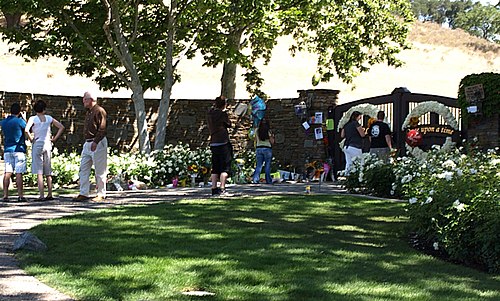 Credit: Mona EshaikerCC BY-SA 3.0SourceSOLVEDListen
Holmby Hills, Los Angeles, California · 2009
Singer Michael Jackson died on June 25, 2009, in Los Angeles from acute propofol intoxication administered by his personal physician, Conrad Murray. The Los Angeles County coroner ruled the death a homicide, and Murray was convicted of involuntary manslaughter in November 2011.
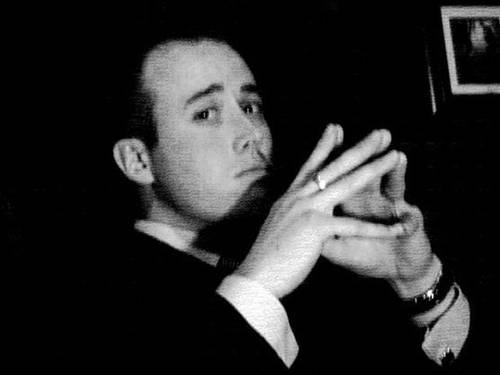 Credit: CBS News / Travis Alexander (personal photo)Editorial useSourceSOLVEDListen
Mesa, Arizona, United States · 2000s
Travis Alexander, 30, was stabbed, slashed, and shot to death in his Mesa, Arizona home on June 4, 2008. His ex-girlfriend, Jodi Arias, was convicted of first-degree murder in 2013 and sentenced to life without parole in 2015 after two juries deadlocked on the death penalty.
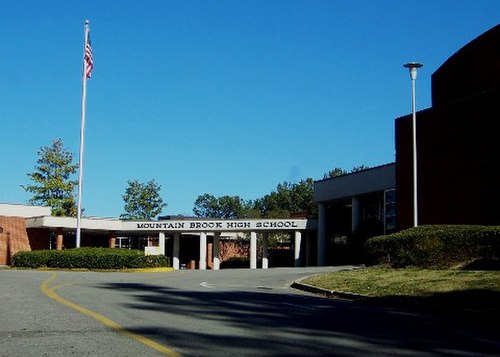 Credit: AuburnPilot at English WikipediaPublic domainSourceUNSOLVEDListen
Oranjestad, Aruba · 2005
Natalee Holloway, an 18-year-old Alabama high school graduate, disappeared during a graduation trip to Aruba on May 30, 2005, and has never been found; Joran van der Sloot, last seen with her that night, was never charged over her disappearance in Aruba but later pleaded guilty to related U.S. extortion and wire-fraud charges and confessed to killing her.
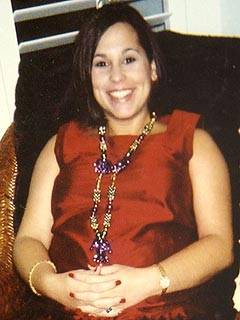 Credit: English WikipediaEditorial useSourceSOLVEDListen
Modesto, California · 2002
Laci Peterson, 27 and eight months pregnant, disappeared from her Modesto, California home on December 24, 2002; her body and that of her unborn son Conner were found in San Francisco Bay in April 2003, and her husband Scott Peterson was convicted in 2004 of murdering both.
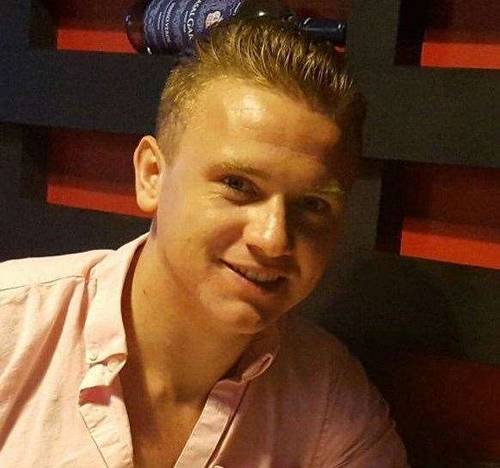 Credit: Family handout via Suffolk NewsEditorial useSourceCOLDListen
Bury St Edmunds, Suffolk, England · 2016
Royal Air Force gunner Corrie McKeague disappeared after a night out in Bury St Edmunds in September 2016, and a 2022 inquest concluded he died after climbing into a waste bin that was tipped into a bin lorry, though his remains were never found.
 Credit: Ted Van ZylEditorial useSourceSOLVEDListen
Albuquerque, New Mexico, United States · 1993
Girly Chew Hossencofft, a Malaysian-born bank teller living in Albuquerque, New Mexico, disappeared on September 9, 1999, shortly after filing for divorce from her husband Diazien Hossencofft. He and his girlfriend Linda Henning were later convicted of her murder. Her body has never been found.
 Credit: UnknownEditorial useSourceSOLVEDListen
Slaughter, Louisiana, United States · 2022
Lacey Fletcher, a 36-year-old autistic woman in Slaughter, Louisiana, died in January 2022 after years of medical neglect by her parents, who were later convicted of manslaughter in her death.
 Credit: Via WikipediaEditorial useSourceUNSOLVEDListen
Fulham, London · 1990s
English television presenter Jill Dando was shot dead outside her London home in 1999, and the case remains unsolved.
 Image recordEditorial useSourceSOLVEDListen
Van Nuys, Los Angeles, California · 1986
Sherri Rasmussen was beaten and shot to death in her Van Nuys condominium in February 1986; the case went cold for more than two decades before Los Angeles police officer Stephanie Lazarus, her husband's former girlfriend, was convicted of first-degree murder in 2012.
 Credit: http://www.dailymail.co.uk/news/article-2681931/Anni-killer-set-freed-months-live.htmlEditorial useSourceSOLVEDListen
Cape Town, South Africa · 2010
Swedish newlywed Anni Dewani was shot dead during a taxi hijacking on her honeymoon near Cape Town in 2010; three men were convicted of the crime and her husband was acquitted and exonerated.