Skip to content
Casepin

Solved case · 2015

Killing of Freddie Gray

Also known as Freddie Gray's death · Freddie Gray death

SOLVEDCHARGES DISMISSED / WITHDRAWNACQUITTED
Updated
Updated Jul 7, 2026
Don't forget Freddie GrayDon't forget Freddie GrayCredit: VOAPublic domainSource

The short answer

Killing of Freddie Gray in brief

Freddie Gray, a 25-year-old Black man, died on April 19, 2015, a week after sustaining a fatal spinal injury while in the custody of the Baltimore Police Department, an event that triggered mass protests and the criminal prosecution of six officers, all of whom were acquitted or had charges dropped.

Key facts

Year
2015
Place
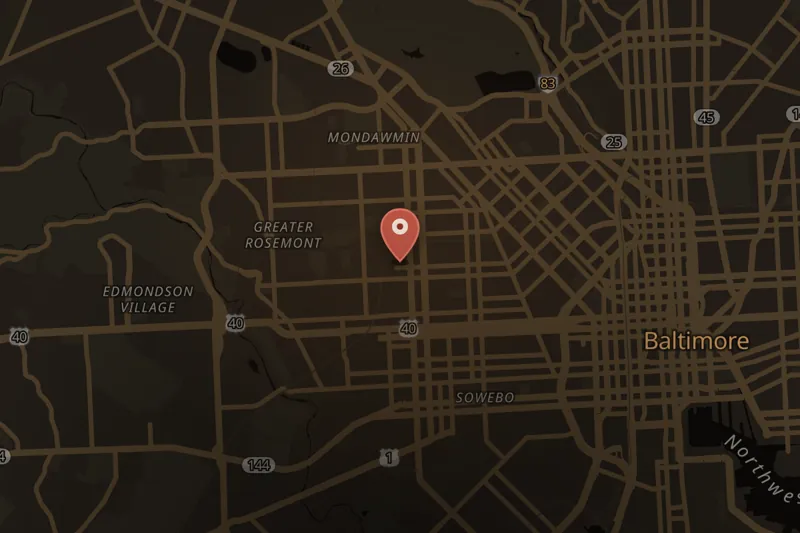
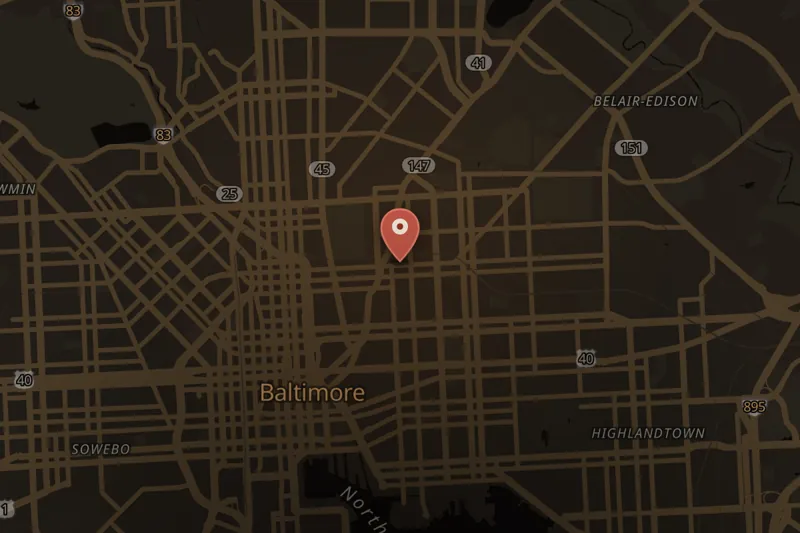
Gilmor Homes, Sandtown-Winchester, Baltimore, Maryland
Status
SOLVEDSolved
Victim
Freddie Gray
Outcome
Charges dismissed / withdrawn: Garrett E. Miller, Alicia D. White and William G. Porter; Acquitted: Brian W. Rice, Caesar R. Goodson Jr. and Edward M. Nero

The coverage index

Where to watch & listen

No one's coverage is attached to this file yet.

Know great coverage of this case?

A documentary, a podcast episode, a careful long-form video. Suggest it and an editor will review it before it appears here.

Suggest coverage for Killing of Freddie Gray

The case file

What happened

On April 12, 2015, Freddie Carlos Gray Jr., a 25-year-old African-American man, was arrested by Baltimore Police in the Gilmor Homes housing project for possession of a knife. According to charging documents, officers on bicycle patrol made eye contact with Gray, who fled, and after a brief chase he was apprehended. Bystander video showed Gray screaming as he was dragged to a police transport van. While being transported, Gray was not secured with a seatbelt, contrary to a department policy that had gone into effect six days earlier. The van made several stops, including one where Gray was removed and placed in leg irons. He was later found unresponsive and taken to the R Adams Cowley Shock Trauma Center, where he died on April 19, 2015, of injuries to his cervical spinal cord.

The Baltimore Police Department suspended six officers with pay pending investigation: Lieutenant Brian Rice, Sergeant Alicia White, and Officers William Porter, Garrett Miller, Edward Nero, and Caesar Goodson. The medical examiner's office ruled Gray's death a homicide, finding officers had failed to follow safety procedures. Baltimore City State's Attorney Marilyn Mosby announced charges against all six officers, ranging from false imprisonment and second-degree assault to manslaughter and, for van driver Officer Goodson, second-degree depraved-heart murder. A grand jury later indicted the officers on most of the original charges, dropping false imprisonment counts but adding reckless endangerment.

Gray's death and hospitalization sparked a series of protests in Baltimore. A protest on April 25, 2015, turned violent, resulting in 34 arrests and injuries to 15 officers. Following Gray's funeral on April 27, unrest intensified with looting and the burning of businesses, including a CVS pharmacy. Governor Larry Hogan declared a state of emergency and deployed the Maryland National Guard; a citywide curfew was imposed and later lifted on May 3, 2015, as the Guard withdrew.

The six officers were tried separately beginning in late 2015. Officer Porter's trial ended in a mistrial in December 2015 after a hung jury; charges against him were later dropped. Officers Nero, Goodson, and Rice were acquitted at bench trials in 2016. Charges against the two remaining officers, Miller and White, were dropped in July 2016. Internal disciplinary proceedings followed: Nero and Miller pleaded guilty to departmental violations, while Rice and Goodson were cleared, and Porter and White faced no further administrative action.

On September 8, 2015, Baltimore Mayor Stephanie Rawlings-Blake announced a $6.4 million civil settlement with Gray's family, stated to be independent of any judgment on the officers' guilt or innocence. On September 12, 2017, following a two-year investigation, the U.S. Department of Justice announced it would not bring federal charges against the six officers, concluding the evidence was insufficient to prove beyond a reasonable doubt that they had willfully violated Gray's civil rights.

14 dated entries · 2015–2017

Timeline

  1. Freddie Gray is arrested by Baltimore Police near the Gilmor Homes housing project for possession of a knife; he sustains injuries while in police custody.

  2. Gray dies at the R Adams Cowley Shock Trauma Center from injuries to his cervical spinal cord.

  3. A protest in downtown Baltimore turns violent, resulting in 34 arrests and injuries to 15 police officers.

  4. After Gray's funeral, civil disorder intensifies with looting and burning of local businesses, including a CVS pharmacy.

  5. State's Attorney Marilyn Mosby announces criminal charges against six Baltimore police officers after the medical examiner rules Gray's death a homicide.

  6. The Maryland National Guard begins withdrawing from Baltimore, and the city's curfew is lifted.

  7. It is decided that the six officers will face separate trials.

  8. The city of Baltimore reaches a $6.4 million civil settlement with Gray's family.

  9. A mistrial is declared in the trial of Officer William Porter after a hung jury.

  10. Judge Barry Williams finds Officer Edward Nero not guilty at a bench trial.

  11. Officer Caesar Goodson is acquitted of all charges by Circuit Judge Barry Williams.

  12. Lieutenant Brian Rice is found not guilty on all counts by Judge Barry Williams.

  13. Remaining charges against Officers Garrett Miller and Alicia White, and Officer William Porter, are dropped.

  14. The U.S. Department of Justice announces it will not bring federal charges against the six officers involved.

7 named in this file

People

Victims first. Every legal label is set from public records and court outcomes, not from the prose.

  • Freddie Gray

    VICTIM

    25-year-old man who died from spinal injuries sustained while in Baltimore police custody[3]

  • Alicia D. White

    CHARGES DISMISSED / WITHDRAWN

    Baltimore police sergeant charged in May 2015 with involuntary manslaughter, second-degree assault and misconduct in office over Freddie Gray's death. Baltimore prosecutors dropped all charges against her on 27 July 2016 before her trial began; she was never tried and never convicted.[3]

  • Garrett E. Miller

    CHARGES DISMISSED / WITHDRAWN

    Baltimore police officer charged in May 2015 with second-degree assault, misconduct in office and false imprisonment over Freddie Gray's arrest. Prosecutors dropped all charges against him on 27 July 2016, on the morning his trial was due to begin; he was never tried and never convicted.[3]

  • William G. Porter

    CHARGES DISMISSED / WITHDRAWN

    Baltimore police officer charged in May 2015 with involuntary manslaughter, second-degree assault and misconduct in office over Freddie Gray's death. His December 2015 trial ended in a hung jury and mistrial, and prosecutors dropped the remaining charges against him on 27 July 2016 rather than retry him; he was never convicted.[3]

  • Brian W. Rice

    ACQUITTED

    Lieutenant charged with involuntary manslaughter, assault, manslaughter by vehicle, and misconduct; found not guilty on all counts on July 18, 2016[3]

  • Caesar R. Goodson Jr.

    ACQUITTED

    Officer and van driver charged with second-degree depraved-heart murder and other counts; found not guilty on all charges by Circuit Judge Barry Williams on June 23, 2016[3]

  • Edward M. Nero

    ACQUITTED

    Officer charged with second-degree assault, misconduct in office, and false imprisonment; found not guilty at bench trial in May 2016[3]

3 cited

Sources

Coverage is not a source: every fact in this file rests on the records below.

  • 2 Press
  • 1 Encyclopedic
  1. Freddie Gray autopsy report given to Baltimore prosecutors

    PressThe New York TimesAccessed Jul 7, 2026

  2. Killing of Freddie Gray

    EncyclopedicWikipediaAccessed Jul 7, 2026

Trust

Record history

First published
Jul 7, 2026
Corrections
None

Are you family of someone named in this file? Corrections and removal requests from victims’ families are prioritized.