Magdalena Stoffels was a 17-year-old Grade 11 learner at Dawid Bezuidenhout High School in Windhoek, Namibia. On the morning of 27 July 2010 she was walking to school along a route that passed through a riverbed near the school when she was raped and killed. Her body was discovered in the riverbed a short distance from the school.
The killing drew widespread grief and anger across Namibia. Within days, roughly 3,000 people, among them learners from about ten schools, marched to the magistrate's court in Katutura and handed a petition to the deputy prosecutor general, drawing attention to the high level of violence against children in the country. The case renewed national debate over gender-based violence and over whether Namibia, which does not have the death penalty, should reconsider its position.
On the day of the killing, police found a 32-year-old man, Junias Fillipus, washing clothes in the same riverbed a few hundred metres from where Stoffels' body lay. An officer reported seeing what appeared to be scratch marks on his body and stains on his clothing, and arrested him in connection with the attack. Biological evidence recovered from the scene was sent abroad for DNA analysis, a process that took close to a year.
When the forensic results returned, they did not connect Fillipus to the crime. On the instructions of the prosecutor general the charges against him were withdrawn, and he was released from custody in 2011 after several months in detention. He was never tried, and no other person has been arrested in the case.
Fillipus subsequently brought a civil claim against the government for wrongful arrest, unlawful detention and malicious prosecution. In 2016 the High Court in Windhoek upheld a government objection that the first two claims had been filed outside the time limit set by the Police Act, while allowing the malicious-prosecution claim to proceed; the matter later reached the Supreme Court.
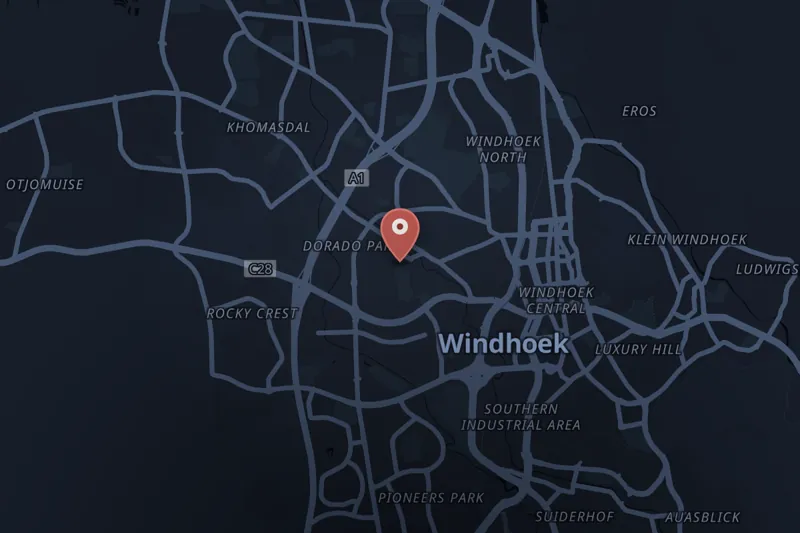
In 2013 a pedestrian bridge crossing the riverbed near her school, in Windhoek's Khomasdal area, was named in Magdalena Stoffels' memory. More than a decade later her killing remains unsolved, and authorities have said they retained the forensic evidence in the hope of a future match.


 Credit: English WikipediaEditorial useSourceSOLVEDListen