
Start here
Sophie Toscan du Plantier Case Analysis | Review of Sophie: A Murder in West Cork
Dr. Todd Grande's 17-minute overview: the quickest complete way into the case.
Watch on YouTubeUnsolved case · 1990s
Also known as Sophie Toscan du Plantier · West Cork murder
The short answer
French television producer Sophie Toscan du Plantier was found beaten to death outside her holiday cottage near Toormore, West Cork, Ireland, on 23 December 1996; no one has been convicted in Ireland, though Ian Bailey was convicted of murder in absentia in France in 2019 and could not be extradited.
Sophie Toscan du Plantier Case Analysis | Review of Sophie: A Murder in West CorkDr. Todd Grande · 17 min1 piece from 1 creator: ranked, with duplicates removed and short clips set aside.
Start here
Dr. Todd Grande's 17-minute overview: the quickest complete way into the case.
Watch on YouTubeTitles and descriptions are the creators’ own and may not reflect current legal status. The sourced facts are in the file below. Players load only when you press play. Suggest coverage we’re missing.
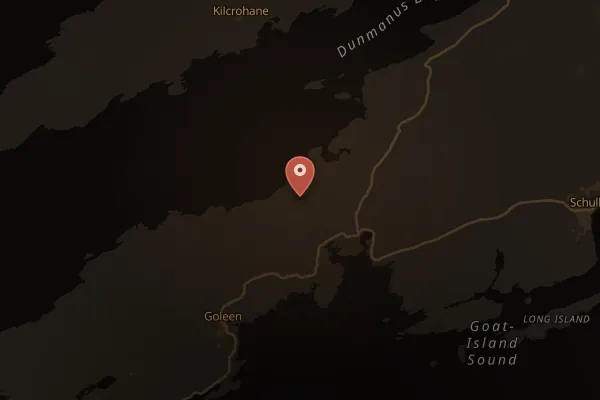
Sophie Toscan du Plantier, a 39-year-old French television producer, was found dead on the morning of 23 December 1996 near her holiday cottage in Toormore, Goleen, County Cork, Ireland. Her body, dressed in nightwear and boots, was discovered in a laneway by a neighbour; her longjohn bottoms were caught on a barbed-wire fence, and bloodstains were found on a gate, a piece of slate, and a concrete block. The State pathologist, Dr. John Harbison, who examined the body approximately 28 hours after it was found, recorded "laceration and swelling of the brain, fracture of the skull, and multiple blunt head injuries." Her facial injuries were so severe that her neighbour could not formally identify her.
The Garda Síochána investigation was later criticised for mishandling evidence, including the disappearance of the bloodstained gate while in police custody (which Gardaí said had been disposed of due to lack of evidentiary value), and for allegedly coercing and intimidating witnesses, including prime suspect Ian Bailey. A Garda Síochána Ombudsman Commission report found administrative failings but no evidence of high-level corruption, though it noted that investigation records had been altered and pages removed after the initial inquiry.
Ian Kenneth Bailey, a British freelance journalist living locally, was arrested twice by Gardaí but never charged, as the Director of Public Prosecutions found insufficient evidence to proceed to trial in Ireland. Bailey had a history of domestic violence towards his partner known to local Gardaí, and was convicted of an unrelated assault in 2001. He denied knowing the victim, though several witnesses contradicted this, and he was noted to have unexplained scratches and a forehead injury in the days after the murder. Bailey and his partner gave conflicting accounts of his whereabouts on the night of the killing. Several witnesses later testified that Bailey had made statements admitting involvement, which he disputed.
A key witness who claimed to have seen a man on Kealfadda Bridge near the scene at 3 am the night of the murder later gave contradictory testimony across multiple legal proceedings, and a transcript of her 2015 evidence was referred to the DPP over possible perjury concerns.
French authorities pursued extradition proceedings against Bailey for years; Ireland's Supreme Court overturned an extradition order in 2012, and the High Court again refused extradition in October 2020 under Section 44 of the European Arrest Warrant Act, since the alleged offence occurred outside French territory. In May 2019, the Cour d'Assises in Paris convicted Bailey of murder in absentia and sentenced him to 25 years in prison; he remained in Ireland and was never extradited. A 2017 Fennelly Commission investigation into secretly recorded Garda phone calls found evidence Gardaí had been "prepared to contemplate" altering or suppressing evidence but found no proof this occurred, while also finding Gardaí had improperly disclosed confidential case information to journalists and civilians. Bailey died on 21 January 2024, aged 66, following a suspected cardiac arrest outside his residence in Bantry. In June 2022, the Garda Serious Crime Review Team was reported to be conducting a full review of the case, and following Bailey's death Gardaí searched his flat under warrant, seizing items including a laptop and notebooks for potential DNA analysis.
Victims first. Every legal label is set from public records and court outcomes, not from the prose.
French television producer killed outside her holiday home in West Cork, Ireland, on 23 December 1996.[3]
Convicted of murder in absentia by the Cour d'Assises in Paris in May 2019 and sentenced to 25 years; never charged or convicted in Ireland, and Irish courts twice refused to extradite him to France.[3]
From the record
Coverage is not a source: every fact in this file rests on the records below.
Jul 13, 2026Source review
Source article revised on Wikipedia — flagged for re-verification
SourceAre you family of someone named in this file? Corrections and removal requests from victims’ families are prioritized.
 Credit: TaurusrusCC BY-SA 3.0SourceUNSOLVEDListen
755 15th Street, Boulder, Colorado · 1996
Six-year-old JonBenét Ramsey was found dead in the basement of her family's Boulder, Colorado home on December 26, 1996, hours after being reported missing. The case remains unsolved despite decades of investigation, a grand jury indictment that was never signed by prosecutors, and DNA evidence that excluded her family.
 Credit: Quasihuman at en.wikipediaCC BY-SA 3.0SourceSOLVEDListen
Orchard View, Grangegorman (former St Brendan's Hospital grounds) · 1997
Sylvia Sheils and Mary Callinan were killed in Grangegorman, Dublin, in March 1997. An innocent man, Dean Lyons, falsely confessed and was wrongly charged before the charges were withdrawn; Mark Nash was later convicted of the murders in 2015.
 Credit: English WikipediaEditorial useSourceSOLVEDListen
Naas Dual Carriageway near Newlands Cross, Dublin · 1996
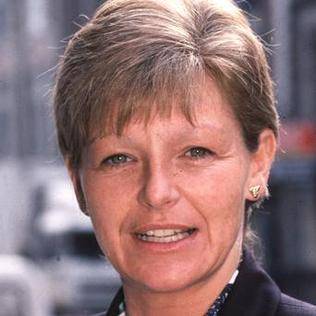
Irish investigative journalist Veronica Guerin, who had reported extensively on organised crime, was fatally shot in a contract killing while stopped at traffic lights near Newlands Cross, Dublin, on 26 June 1996.
 UNSOLVEDListen
Moone, County Kildare — Jo Jo Dullard's last confirmed location · 1995
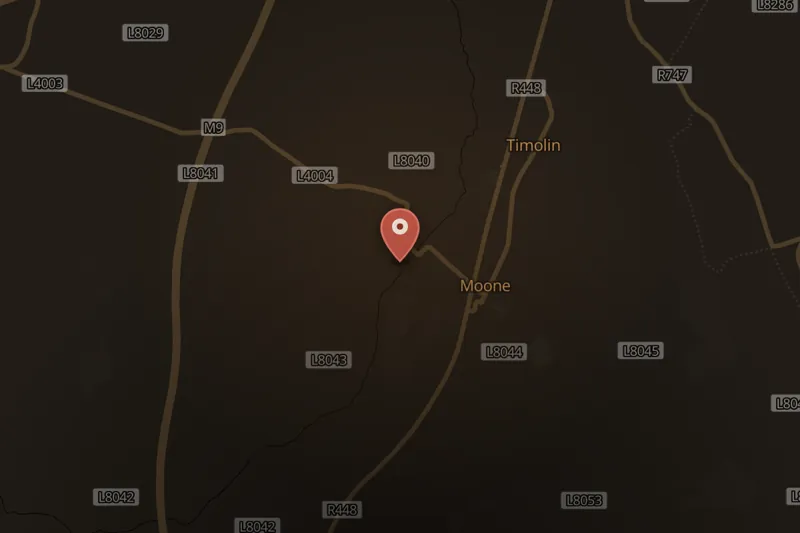
Josephine "Jo Jo" Dullard, a 21-year-old from Callan, County Kilkenny, disappeared on 9 November 1995 while hitchhiking home through Moone, County Kildare, after a final phone call in which she said she had just got a lift; her case, unsolved for more than thirty years, was upgraded to a murder investigation in 2020 and remains open.
 Credit: Ian PatersonCC BY-SA 2.0SourceSOLVEDListen
Lucan, County Dublin, Ireland · 2018
Ana Kriégel, a 14-year-old Russian-Irish girl, went missing on 14 May 2018 after being last seen in St Catherine's Park near Lucan, Ireland, and was found dead three days later in a derelict farmhouse nearby, having sustained blunt force injuries and signs of sexual assault. Two 13-year-old boys, granted lifelong anonymity as Boy A and Boy B, were convicted of her murder in June 2019 — the youngest people ever charged with murder in the history of Ireland.
 Credit: Peter WinterbachPublic domainSourceUNSOLVEDListen
Dublin and Monaghan, Ireland · 1974
On 17 May 1974, the loyalist Ulster Volunteer Force detonated four car bombs without warning in Dublin and Monaghan, Ireland, killing 33 people and injuring almost 300 in the deadliest attack of the Troubles. The UVF publicly claimed responsibility in 1993; no one has ever been charged, and a 2003 Irish government inquiry concluded it was likely that British security force personnel had assisted the attack.
 Credit: Woodlawn High SchoolEditorial useSourceSOLVEDListen
Leakin Park, Baltimore, Maryland · 1999
Hae Min Lee, an 18-year-old Baltimore County high school student, was strangled and found buried in Leakin Park in February 1999. Her ex-boyfriend Adnan Syed was convicted of first-degree murder in 2000; the case gained international attention after the 2014 podcast Serial, and Syed's conviction underwent multiple vacaturs, appeals, and reinstatements through 2025.
 Credit: Instagram/@gabspetito, widely distributed in press coverageEditorial useSourceSOLVEDListen
Bridger–Teton National Forest, Wyoming · 2021
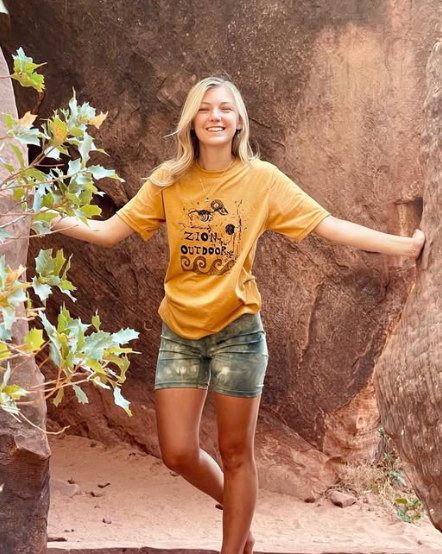
Gabby Petito, a 22-year-old travel vlogger, was killed by strangulation and blunt-force trauma in August 2021 while on a cross-country van trip with her fiancé, Brian Laundrie. Laundrie returned to Florida alone, was named a person of interest, and later died by suicide, leaving a note admitting he had killed her.
 Image recordEditorial useSourceSOLVEDListen
Austin, Texas · 2022
Moriah Wilson, a 25-year-old professional cyclist, was shot and killed at a friend's residence in Austin, Texas, on May 11, 2022, and Kaitlin Armstrong was later convicted and sentenced to 90 years in prison for the killing.
 Credit: Wikimedia Commons, photo by Glenn Francis (PacificProDigital.com)Editorial useSourceSOLVEDListen
Hollywood Hills, Los Angeles, California · 2014
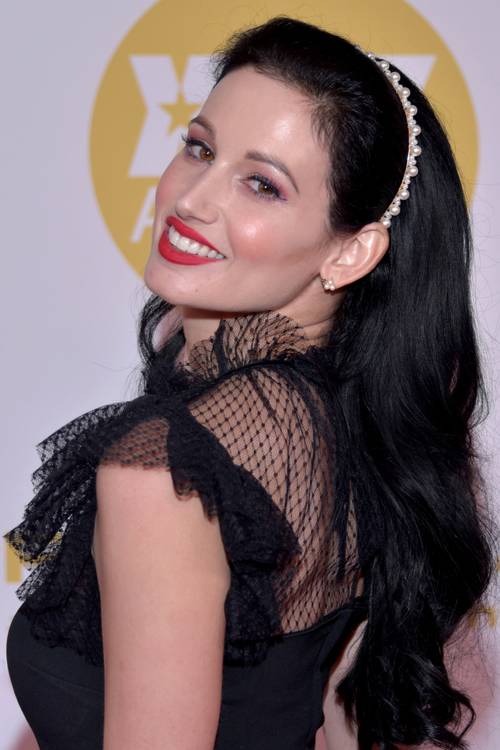
Amie Harwick, a Los Angeles marriage and family therapist and author, was strangled and thrown from her third-floor Hollywood Hills balcony on February 15, 2020, by an ex-boyfriend who had a history of stalking her. He was convicted of first-degree murder in 2023 and sentenced to life without parole.
 COLDListen
Cumming, Georgia · 2018
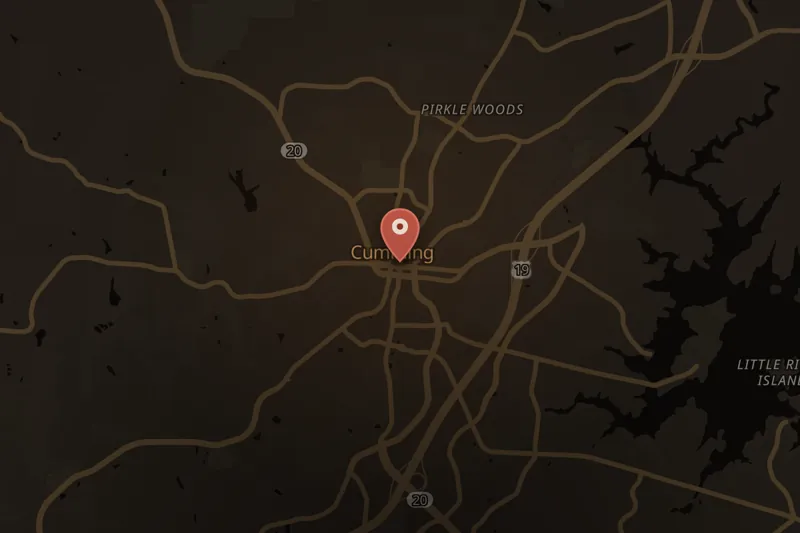
Tamla Horsford, a 40-year-old mother of five, died from a fall at a home in Cumming, Georgia, during a gathering on November 3-4, 2018; two separate investigations ruled her death accidental, though her family has disputed that finding and pushed for further inquiry.