Overview
The Libyan genocide, referred to in Libya as "Shar" (Arabic for "Evil"), describes the mass killing and systematic destruction of Libyan Arab culture carried out by Italian colonial authorities under Benito Mussolini between 1929 and 1934, during and after the Second Italo-Senussi War. Estimates of the death toll range from 20,000 to 100,000. Nearly half the population of Cyrenaica was deported and interned in concentration camps, with the regional population falling from an initial 225,000 to 142,000. A stated motive was to clear land for Italian settlers; colonial governor Italo Balbo brought 20,000 settlers to Libya in 1938.
Methods and events
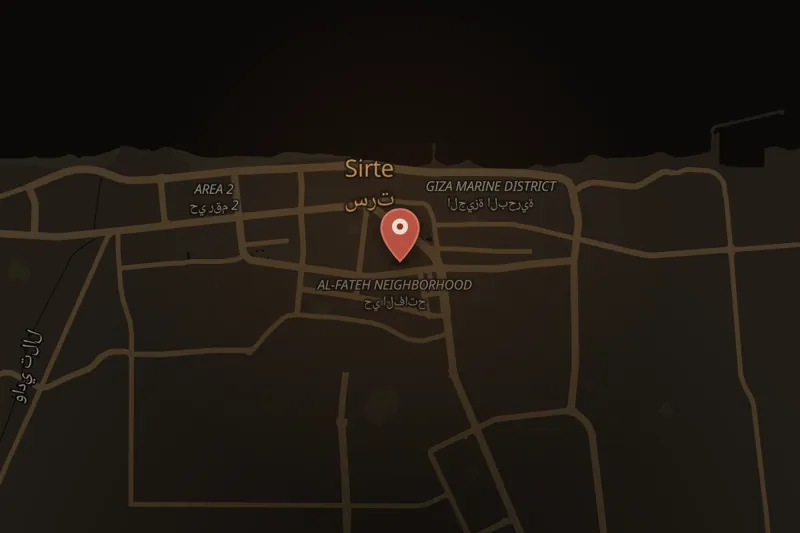
Italian forces carried out death marches, forcibly displacing tribes such as the Magharba, Zuwayya, Fawakhir, Firjan, and Hussun from oases toward the Sahara desert, and from the fertile Jabal al Akhdar region to the inhospitable city of Sirte. Soldiers were ordered to kill anyone or any animal that could not keep pace. Survivors were interned in one of 16 main concentration camps, where overcrowding, hunger, disease, and lack of water and medicine caused many deaths. Cyrenaica expert Evans-Pritchard described roughly 80,000 people and 600,000 animals herded into camps in the summer of 1930, with heavy loss of life among both. On 20 June 1930, Italian officer Pietro Badoglio wrote to General Rodolfo Graziani calling for measures against the population of Cyrenaica even "if the entire population of Cyrenaica must perish." Reported Italian actions included blocking and poisoning wells, bombing villages with mustard gas, killing and confiscating livestock, and building a 200-mile barbed-wire fence between Libya and Egypt. Approximately 12,000 people were executed in 1930–1931 on suspicion of being rebels. Omar al-Mukhtar, a leader of Senussi resistance, was hanged at Slug camp on 11 September 1931 in front of 20,000 interned civilians.
Death toll and documentation
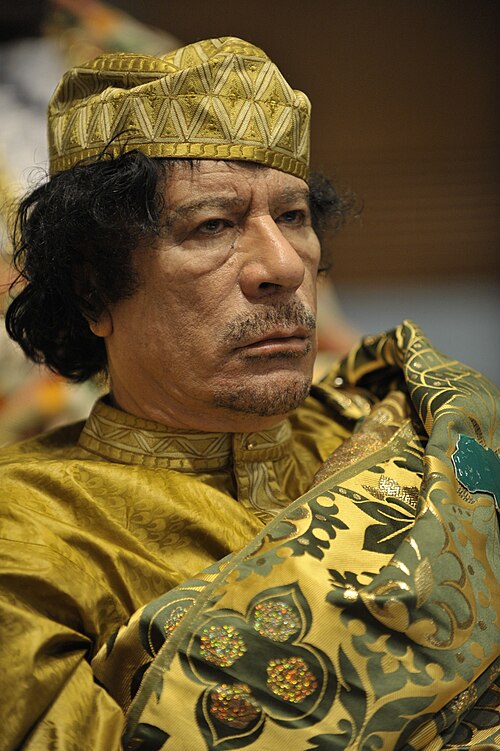
Assessing the death toll is difficult because Italian colonial authorities destroyed much documentation and suppressed news of the atrocities; the Swani al-Tariya camp is the only one with a surviving prisoner record. Estimates of the Cyrenaican population decline range around 83,000, roughly one-third of the population. Later population estimates and claims vary widely among historians and political figures, including Muammar Gaddafi's unsupported claim of 750,000 deaths, and United Nations estimates during Allied administration of 250,000 to 300,000 deaths from non-natural causes between 1912 and 1942.
Links to the Holocaust and legacy
Historians have noted contacts between Italian colonial officials in Libya and Nazi German figures including Hermann Göring and Heinrich Himmler, who visited Libya in the late 1930s. Some historians argue the Italian methods in Libya influenced later Nazi policy. In 2008, Italy apologized for its killing, destruction, and repression of the Libyan people during its colonization of Libya.


 Credit: U.S. Navy photo by Mass Communication Specialist 2nd Class Jesse B. Awalt/ReleasedPublic domainSourceUNSOLVEDListen