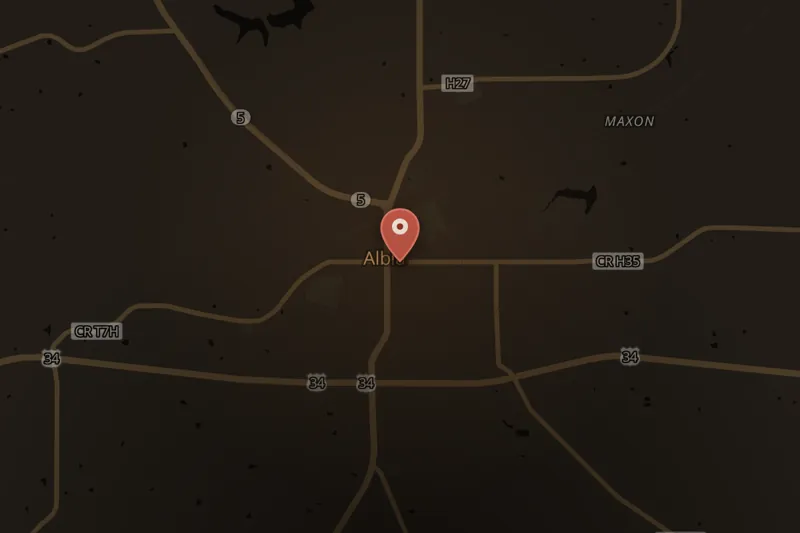
In June 1866, a man named Garrett Thompson was lynched near Albia, in Monroe County, Iowa, after being accused of horse theft and other crimes, including house burning and murder. According to historical accounts, Thompson was alleged to be part of a horse-thieving operation that had operated across Iowa, Missouri, and Illinois for several years, allegedly using nitric acid on stolen horses' foreheads to disguise their identity and avoid detection by previous owners.
The events leading to the lynching began on June 13, 1866, when a man named James McFadden reported a span of horses stolen. Days later, on June 16, another man surnamed Woodruff was robbed of $90. A series of additional robberies occurred over the following days. Suspicion fell on Thompson due to his unexplained absences during the robberies and his return with a new wagon. A local Vigilance Committee gathered evidence and took Thompson into custody along with several alleged accomplices.
Thompson's arrest drew a large crowd. He was initially held in the front room of the jail, where a man identified as Colonel Anderson questioned him. As tensions rose inside the jail, the sheriff attempted to move Thompson to a more secure area, but a mob overtook the jail and removed him from town.
The mob transported Thompson roughly six miles southeast of Albia, setting up in a wooded area. Word was spread to summon more people, and other imprisoned associates of Thompson were also brought to the site. By midday, approximately 500 people had gathered. An improvised court was convened under an elm tree, with a chairman and a twelve-person jury selected to try the prisoners. After a purported investigation, Thompson was charged with horse stealing and other offenses, and the jury returned a verdict of hanging.
Thompson reportedly believed initially that the verdict was a tactic to coerce a confession from him, but the sentence was carried out. Following a prayer led by a man named Scott, the other prisoners were brought forward to witness the hanging, and Thompson was hanged from a wagon.
After the hanging, Thompson's wife and son, along with several citizens, helped move his body by wagon toward Eddyville. His wife reportedly vowed vengeance on those responsible before departing. The other men who had been detained alongside Thompson were eventually released, with one exception: a man named Tom Smith was spared due to his prior service as a Monroe County soldier and resulting community connections. Historical accounts describe Thompson's death as marking the end of a multi-year horse-theft operation that had affected residents across Iowa, Missouri, and Illinois.

 Credit: 09erCC BY-SA 3.0SourceSOLVEDListen