The Matsés massacre refers to a series of military bombing raids carried out by the Peruvian state against communities of the Matsés people, also known as the Mayoruna, in the northeastern jungle region of Loreto in 1964. The events occurred during the first presidency of Fernando Belaúnde Terry. The total number of deaths and injuries resulting from the bombings is unknown.
The Peruvian government had a longstanding interest in developing the northeastern Amazon. Belaúnde had written in 1959 about the need to exploit the natural resources of the Peruvian Amazon, particularly timber, and to build highways connecting Amazonian cities with the rest of the country. The region of Loreto had a history of tense relations with the central Peruvian government, including past independence attempts supported by much of the indigenous population. The Matsés, who lived along the Javary River basin, had previously experienced subjugation by Brazilian and Peruvian rubber barons during the Amazon rubber boom, which included the Putumayo genocide perpetrated by Julio César Arana between 1879 and 1912. This history had provoked hostility between the Matsés and non-indigenous settlers. The Belaúnde government had posted warning signs, written in Spanish (which the Matsés could not read), threatening that continued resistance could result in being killed by bombs and poison.
In October 1964, in Requena province, Peruvian lumberjacks and colonists were ambushed by a group of Matsés. In response, President Belaúnde ordered the Peruvian Air Force to bomb the villages of three of the four principal Matsés clans (the fourth clan resided across the border in Brazil). According to researcher Stefano Varese, the Air Force used napalm during the operation, reportedly as a practice run for later use against Peruvian guerrilla groups, the National Liberation Army of Peru and the Revolutionary Left Movement. The action was reported to have been received positively by the Peruvian public at the time, with government claims that the Matsés were forming communist militias.
A resident of the area disputed press reports at the time that the Matsés had machine guns, hurled Spanish insults, or were directed by guerrillas, stating there was no guerrilla presence in the area. The account describes military helicopters arriving from U.S. bases in Panama to evacuate the wounded, followed by Peruvian Air Force bombers believed to have come from a base in Chiclayo. Following the campaign, Belaúnde congratulated the lumberjacks at the Government Palace and traveled to Requena to inaugurate a new airport. The use of napalm in the operation was confirmed on October 9, 1968, after the Revolutionary Government of the Armed Forces of Peru took power in a coup against Belaúnde earlier that year.
After the fall of the Revolutionary Government, the Peruvian state did not treat the 1964 attack as a matter of importance. The Belaúnde government has since faced criticism for its hostile response to the Matsés, who were acting in self-defense, particularly when contrasted with the same administration's later, more restrained response during its second term to Shining Path violence against the Asháninka people of the Amazon.


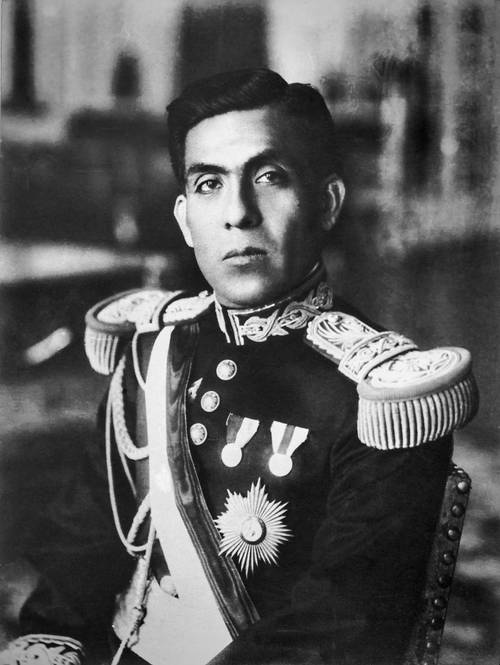 Credit: Wikipedia/Wikimedia Commons infobox portraitPublic domainSourceSOLVEDListen