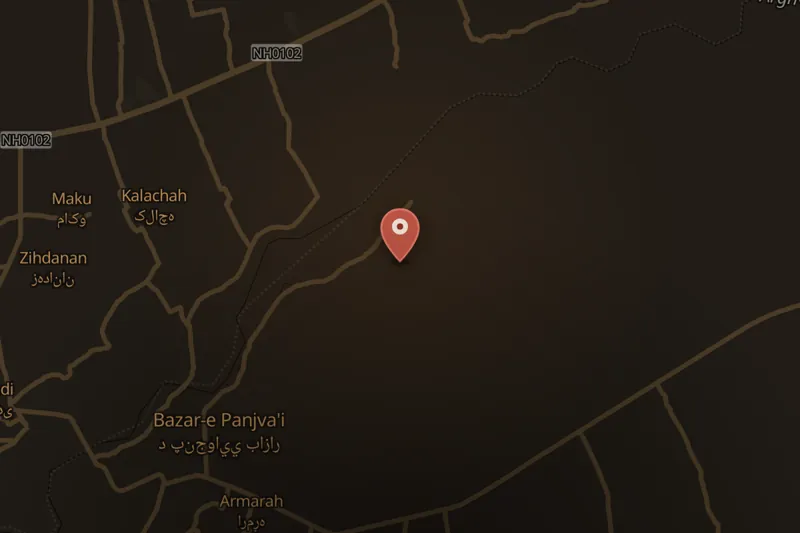
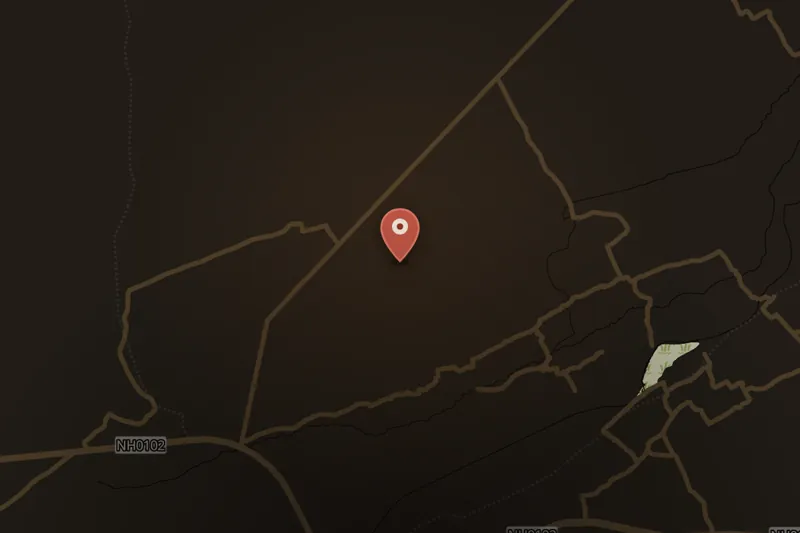
Between January and May 2010, soldiers of 3rd Platoon, Bravo Company, 2nd Battalion, 1st Infantry Regiment, 5th Brigade, 2nd Infantry Division, based at FOB Ramrod in the Maywand District of Kandahar Province, Afghanistan, killed at least three Afghan civilians in staged combat scenarios. The soldiers, who called themselves the "Kill Team," photographed themselves with the bodies and collected fingers, a skull fragment, and other body parts as trophies.
The known victims were Gul Mudin, a fifteen-year-old unarmed farm worker killed on January 15, 2010, in the village of La Mohammad Kalay with a grenade, machine gun, and assault rifle fire under the direction of Staff Sergeant Calvin Gibbs; Marach Agha, killed on February 22, 2010, after being located with thermal imagery while curled by a roadside, whom the Army later said it believed to be deaf or mentally disabled; and Mullah Adahdad, killed on May 2, 2010, in front of his wife and children in Kari Kheyl/Qualaday with a grenade and gunfire. Tribal elders in the area later told Army officers the shooting of Adahdad had been unarmed and staged.
The case came to light after Private First Class Justin Stoner reported hashish use and the murders to his superiors; he was not charged and was honorably discharged in 2012. In total, twelve soldiers were charged with offenses ranging from murder to drug use and obstruction; eleven were convicted. Specialist Jeremy Morlock pleaded guilty to three counts of premeditated murder and was sentenced to 24 years in prison in exchange for testimony against other soldiers. Staff Sergeant Calvin Gibbs, identified as the ringleader, was convicted at trial on 15 counts, including three counts of premeditated murder, and sentenced to life in prison with eligibility for parole after nine years; he filed a lawsuit in January 2020 seeking to vacate his conviction. Private First Class Andrew Holmes pleaded guilty to unpremeditated murder and was sentenced to seven years, later released in October 2015. Specialist Adam Winfield, whose father had tried unsuccessfully to alert Army channels after his son described the killings via Facebook chat, pleaded guilty to involuntary manslaughter for failing to intervene and was sentenced to three years, released in August 2012. Additional soldiers, including Then-Staff Sergeant David Bram, Then-Sergeant Darren Jones, Specialist Adam Kelly, Private First Class Ashton Moore, Specialist Corey Moore, Staff Sergeant Robert Stevens, and Specialist Emmitt Quintal, were convicted or pleaded guilty to related charges such as assault, obstruction, drug use, corpse desecration, and solicitation of murder. Charges against Specialist Michael Wagnon were dismissed by the Army "in the interest of justice" after an investigating officer twice recommended dropping them.
Photographs of soldiers posing with corpses were later published by Der Spiegel and Rolling Stone; NATO officials in Kabul compared them to the Abu Ghraib prisoner-abuse images. A U.S. Army investigative report found that Colonel Harry Tunnell's "inattentiveness to administrative matters" in the 5th Stryker Brigade "may have helped create an environment in which misconduct could occur," though it found no causal link between his leadership style and the killings. The Army issued a public apology over the photographs and stated it would "relentlessly pursue the truth." The events were later depicted in a 2013 documentary and a 2019 war film, both titled The Kill Team.

 UNSOLVEDListen