Cecilia Zhang, a nine-year-old girl born March 30, 1994, went missing from her family's Toronto home on October 20, 2003. She was in grade 4 at Seneca Hill Public School and enrolled in a gifted program. Her parents, Raymond Zhang and Sherry Xu, had immigrated to Canada from Jiangsu, China, in 1998 and reportedly did not allow her to play unsupervised outside the home.
According to an agreed statement of facts read in a Brampton, Ontario courthouse, Min Chen — a Chinese citizen from Shanghai living in Canada on a student visa since 2001 — entered the Zhang home through a kitchen window between 3:00 and 4:00 a.m. and removed Cecilia from the house through a side door. Chen was reportedly failing his college studies and feared deportation; he stated he needed $25,000 to enter a marriage of convenience to secure permanent residency, and planned to obtain the money through a kidnapping for ransom. When Cecilia tried to scream, Chen covered her face with a towel and held his hand over her mouth. She had stopped struggling by the time he placed her in the trunk of his car, and when he later checked on her, he found she had stopped breathing. Chen maintained that her death resulted from a poorly planned kidnapping rather than being deliberate.
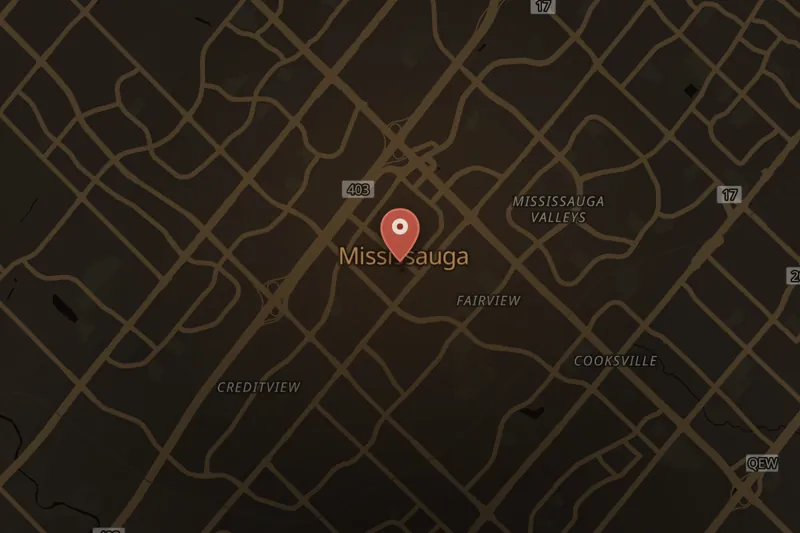
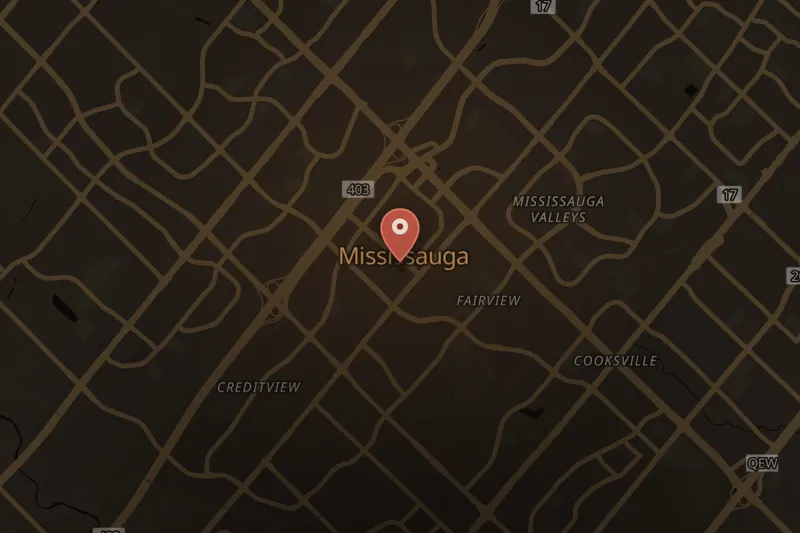
Cecilia's highly decomposed remains were discovered by a hiker in a wooded area near the Credit River at Eglinton Avenue in Mississauga on March 27, 2004, after she had been missing for roughly five months. Investigators were unable to determine a specific cause of death or establish whether she had been sexually assaulted due to the advanced state of decomposition.
Peel Regional Police had received a complaint about possible illegal fishing near the site where the body was later found, dated September 18, 2003. Chen's fingerprints were also recovered from a window screen at the Zhang home. He was arrested and initially charged with first-degree murder. He was represented by criminal lawyer John Rosen, who had previously defended Paul Bernardo. On May 9, 2006, Min Chen pleaded guilty to second-degree murder and was sentenced to life imprisonment, with eligibility to apply for parole after 15 years under the faint hope clause then in effect.
During sentencing, Justice Bruce Durno, who presided over the case, challenged Chen's characterization of events, stating that the killing was not accidental. The case has also drawn attention from human rights lawyers regarding the absence of an extradition treaty between Canada and China, and the possibility that Chen could face a second trial in China after completing his Canadian sentence, since Chinese law permits prosecution of its nationals for crimes committed abroad even where Canadian law would treat this as double jeopardy.


 SOLVEDListen