Background
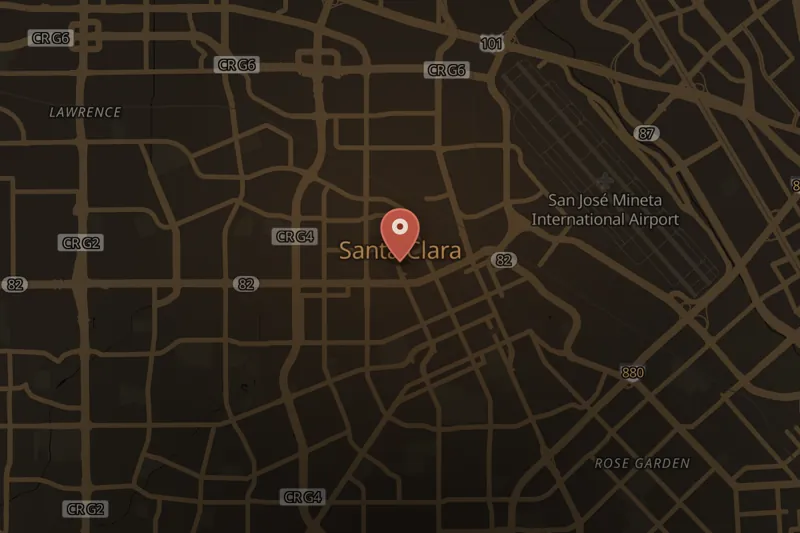
Mary Elizabeth Quigley (born February 28, 1960) was a senior at Santa Clara High School in Santa Clara, California. On the night of Friday, September 9, 1977, she attended a back-to-school beer party at a house near the corner of Monroe and Market Streets. An acquaintance had given her a ride to the party on his motorcycle and had promised her a ride home, but he left the party and did not return before she departed. Witnesses last saw Quigley leaving the party alone and on foot at around 11:45 p.m., headed toward a friend's nearby house.
Discovery of the Crime
Early the following morning, a groundskeeper noticed an object from a distance resting against a fence separating some apartments from the Santa Clara High School athletic field. Around noon that day, the groundskeeper investigated further and discovered the object was the body of Mary Quigley. Her body was found nude and hanging by the neck from a chain-link fence in what was then Washington Park (now War Memorial Park), approximately 300 yards from the site of the party. Debris on her body suggested she had been dragged to the fence, and an item of her clothing had been used to fasten her there. Coroner's evidence indicated she had been raped and strangled.
Investigation and Resolution
No immediate suspect was identified, and the case became a cold case for nearly three decades. In 2005, Detective Sergeant Kazem resubmitted evidence from the investigation to the Santa Clara County Crime Laboratory for DNA analysis. This was made possible by California's Proposition 69, which expanded the state's authority to collect and database DNA from certain offenders. On December 27, 2006, the Crime Lab informed Sergeant Kazem that a database search had identified Richard Armand Archibeque — a Santa Clara resident and former classmate of Quigley's, then age 47 — as a suspect. His DNA had entered the database following a separate conviction for the rape of another teenage girl. Archibeque was arrested by detectives later that same day.
Archibeque was convicted of first-degree murder in San Jose, California, on March 2, 2009, and was sentenced to seven years to life in prison.
Aftermath
The crime scene has remained largely unchanged, though the fence panel involved was removed and replaced with a small plaque. Quigley's friends and classmates have lobbied the City of Santa Clara for a memorial bench and plaque at War Memorial Playground, and have sought to rename the park in her honor. The case was later featured on the Investigation Discovery program Murder Book on December 10, 2014.


 Credit: Santa Clara County SheriffPublic domainSourceSOLVEDListen