Mireille Knoll, an 85-year-old French Jewish woman and survivor of the Holocaust, was murdered in her Paris apartment on 23 March 2018. Born Mireille Kerbel in Paris in December 1932, Knoll survived Nazi-occupied France as a child: after the 1940 occupation of Paris, her father was arrested and interned at the Gurs camp, and in 1942 Knoll fled the country with her mother and brother, narrowly escaping the Vel' d'Hiv roundup of Paris's Jewish population. After the war she returned to France, married fellow Holocaust survivor Kurt Knoll in 1948, and raised two sons.
On 23 March 2018, two men entered Knoll's apartment and, according to accounts the suspects later gave investigators, stabbed her eleven times before setting her body on fire. One suspect told investigators the other had said, "She's a Jew. She must have money," before the attack. Each of the two accused the other of carrying out the stabbing, and one claimed the other shouted "Allahu akbar" during the assault.
The two men identified as suspects were Yacine Mihoub, a neighbor who had known Knoll since childhood, and Alex Carrimbacus, an unemployed acquaintance Mihoub had met in prison. Mihoub was already known to authorities: he had previously served time in prison for sexually assaulting the 12-year-old daughter of Knoll's home-care assistant and had been released in September 2017. The Paris prosecutor's office classified the killing as a hate crime committed because of the victim's real or perceived religion. The New York Times reported that the speed of this classification was widely seen in France as a response to public anger over the slower official recognition of an earlier antisemitic killing.
Mihoub and Carrimbacus stood trial in Paris beginning 26 October 2021. On 9 November 2021, Mihoub was convicted of murder and sentenced to life imprisonment. Carrimbacus was acquitted of murder but convicted of theft committed with antisemitic motives, and was sentenced to 15 years in prison.
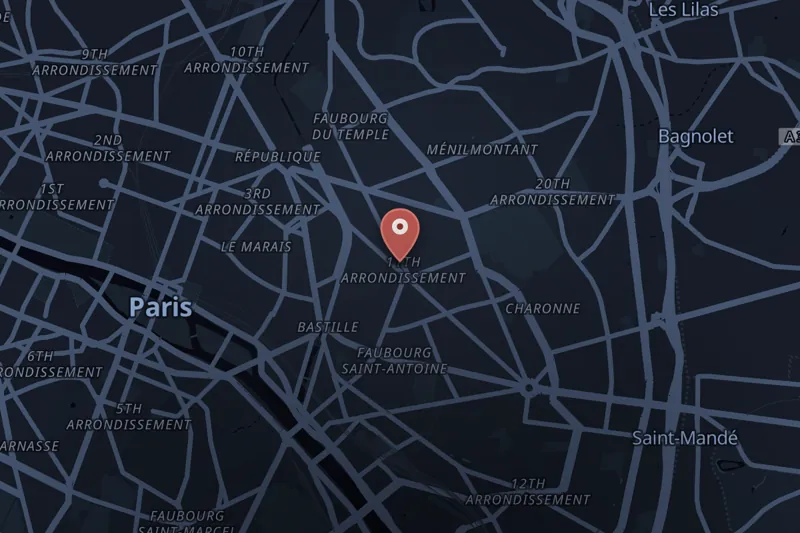
Knoll's funeral, held on 28 March 2018, drew thousands of mourners who processed through Paris from the Place de la Nation to her apartment building in the 11th arrondissement; she was buried at the Cimetière parisien de Bagneux. Then-President Emmanuel Macron visited her grave privately, a visit not covered by the media at the time. According to The Atlantic, as cited in the Wikipedia account of the case, Knoll's murder marked a shift in how French authorities responded to antisemitic violence, in contrast to the slower hate-crime classifications that followed the killings of Ilan Halimi in 2006 and Sarah Halimi in 2017.

 SOLVEDListen